
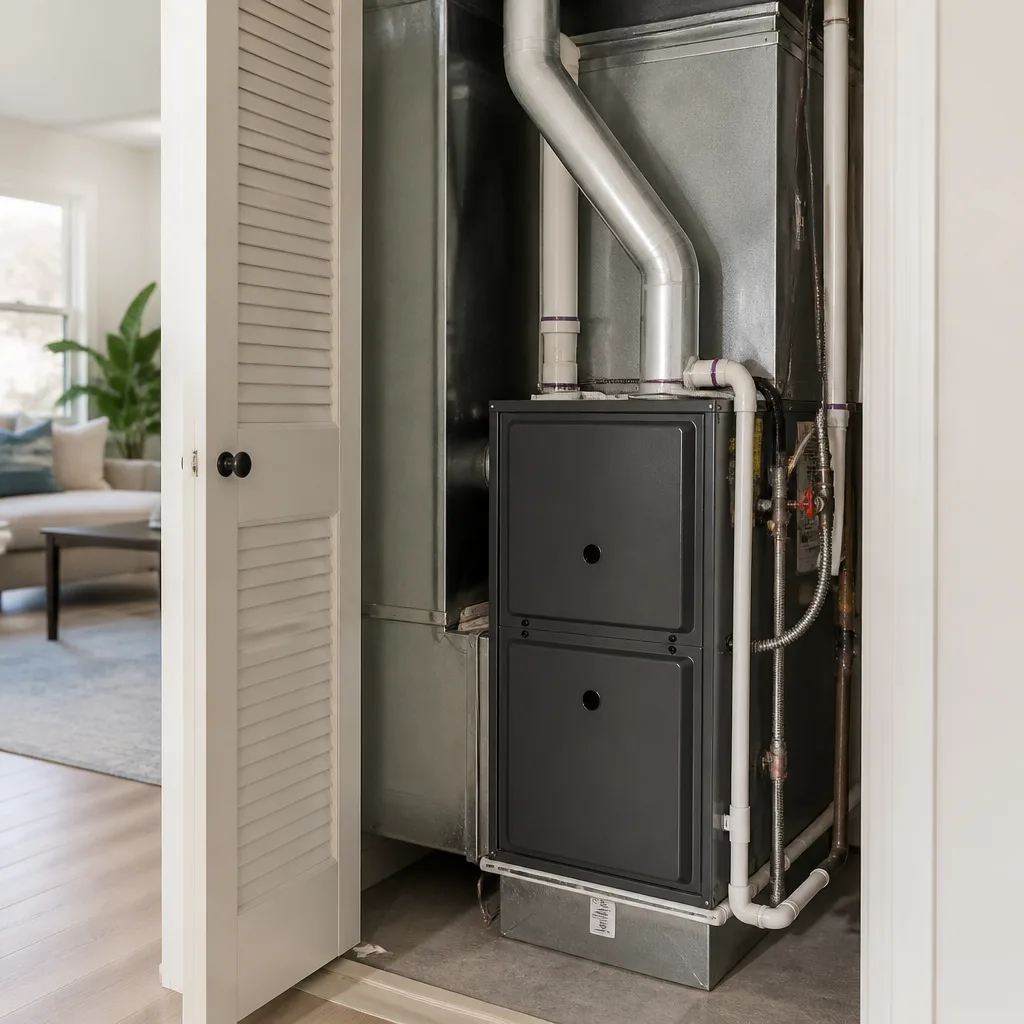
 Furnace & heating
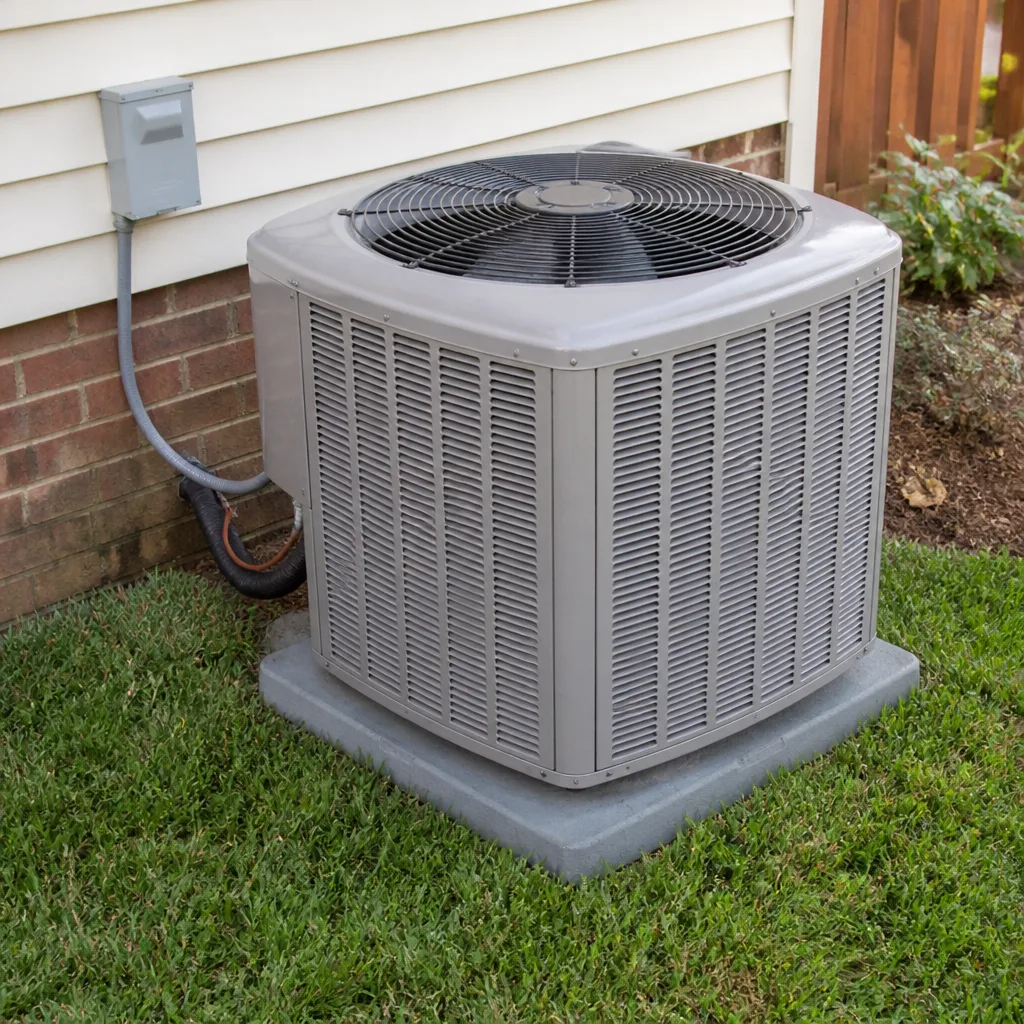 AC repair
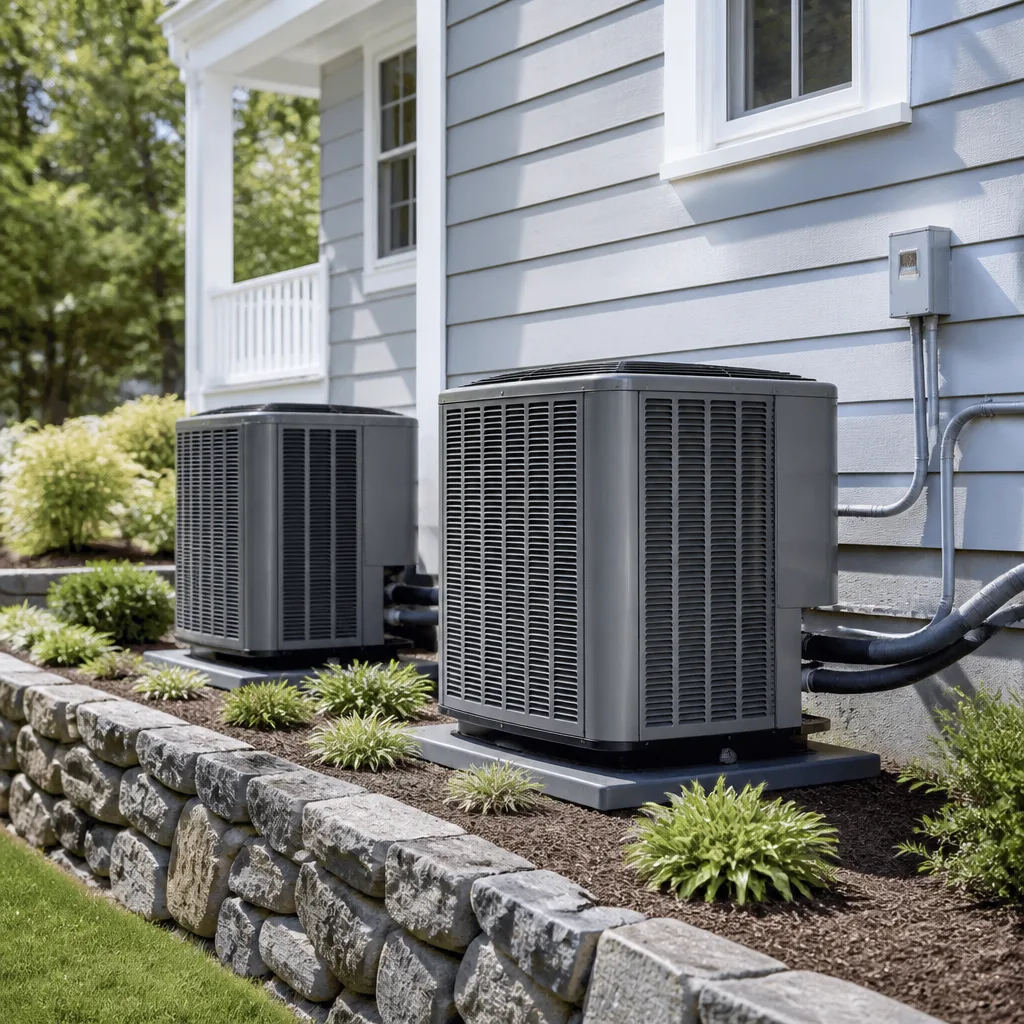 Heat pumps
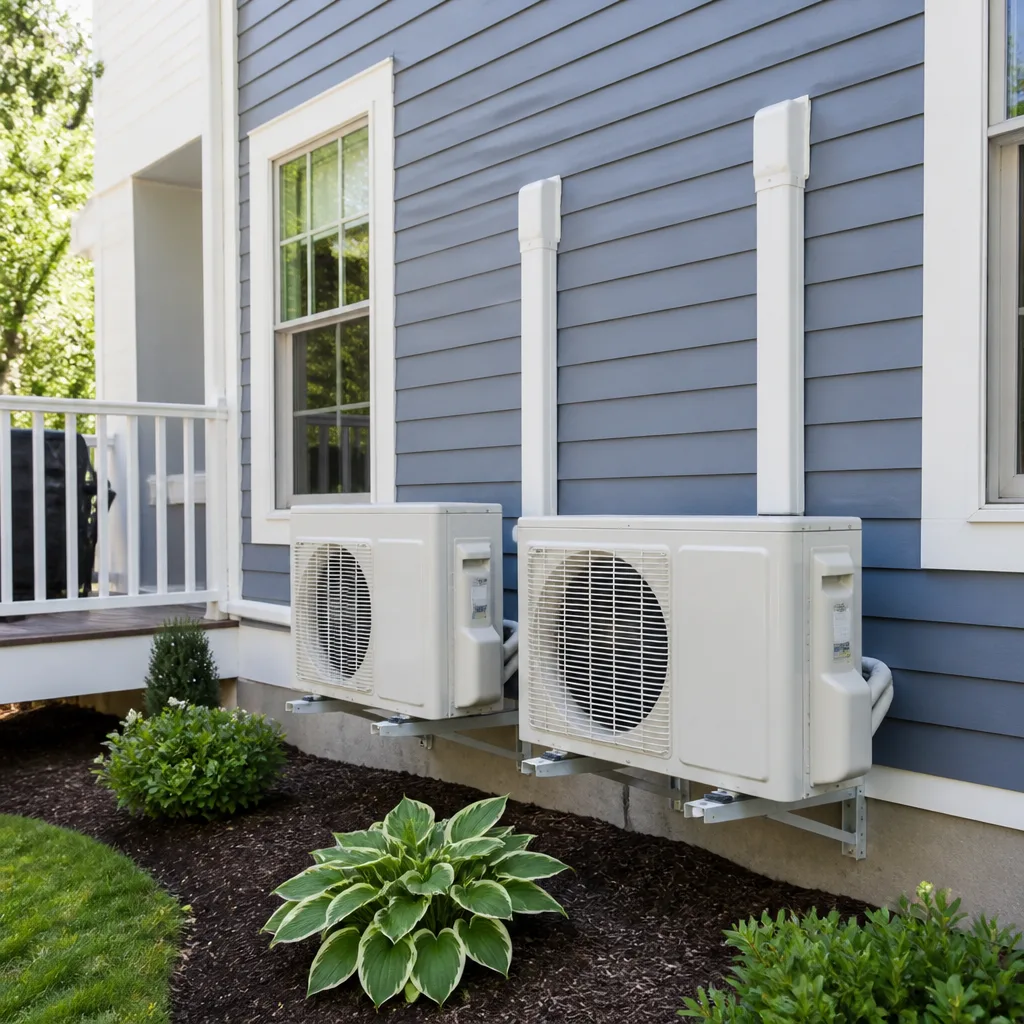 Ductless mini splits
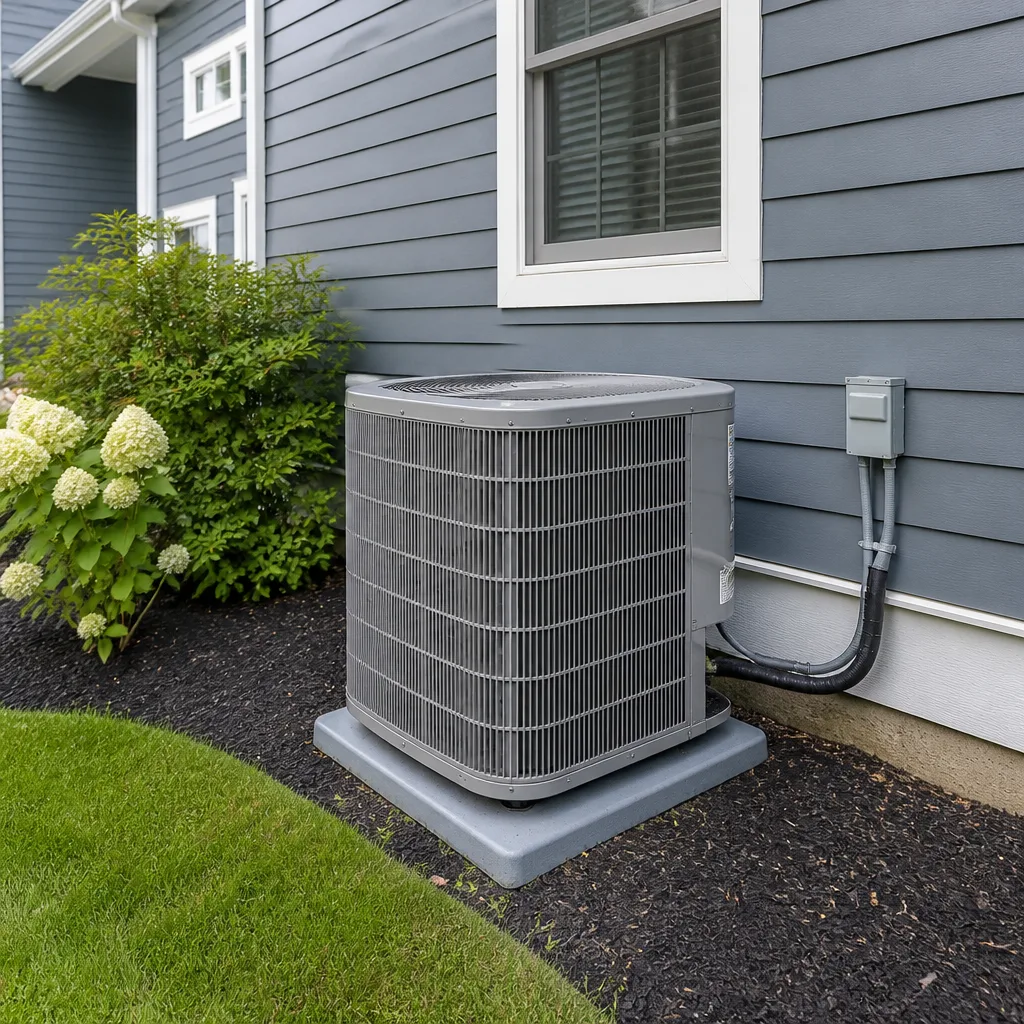 Carrier
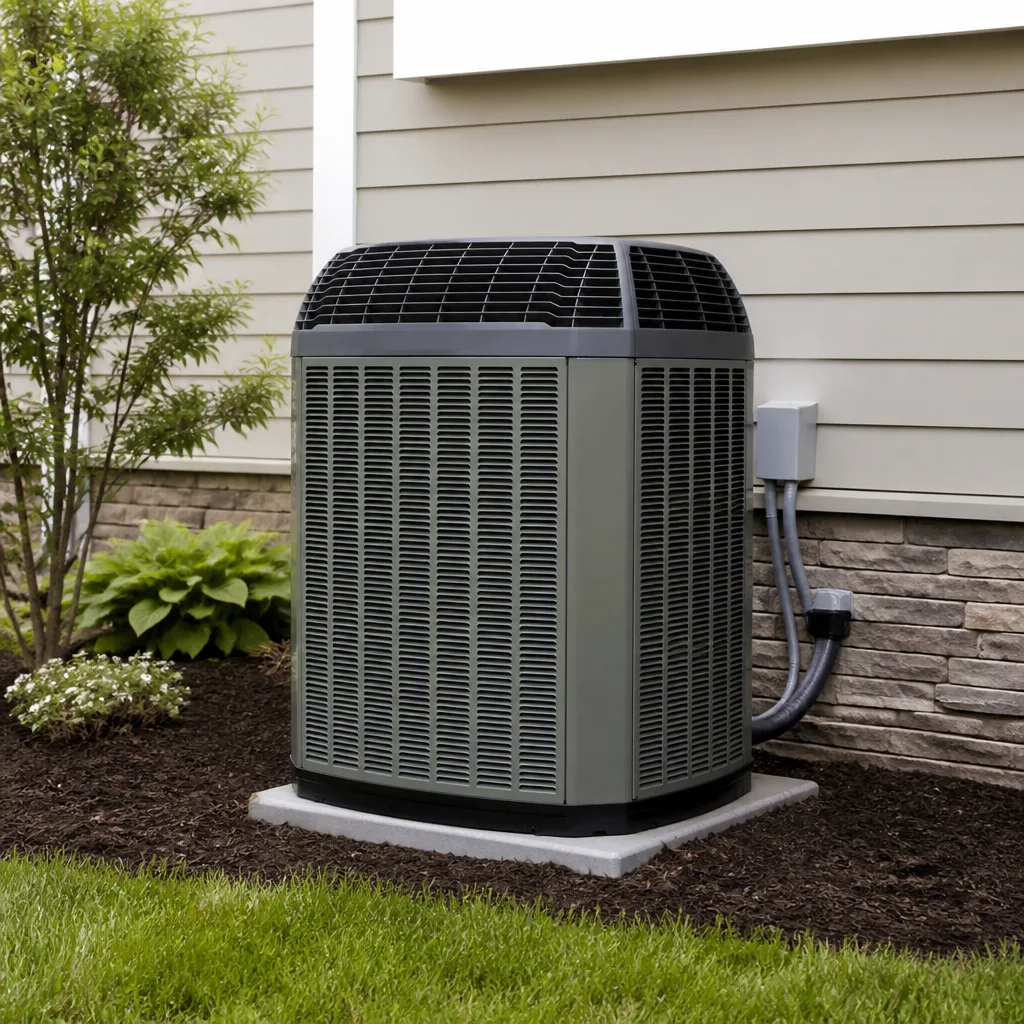 Trane
Trane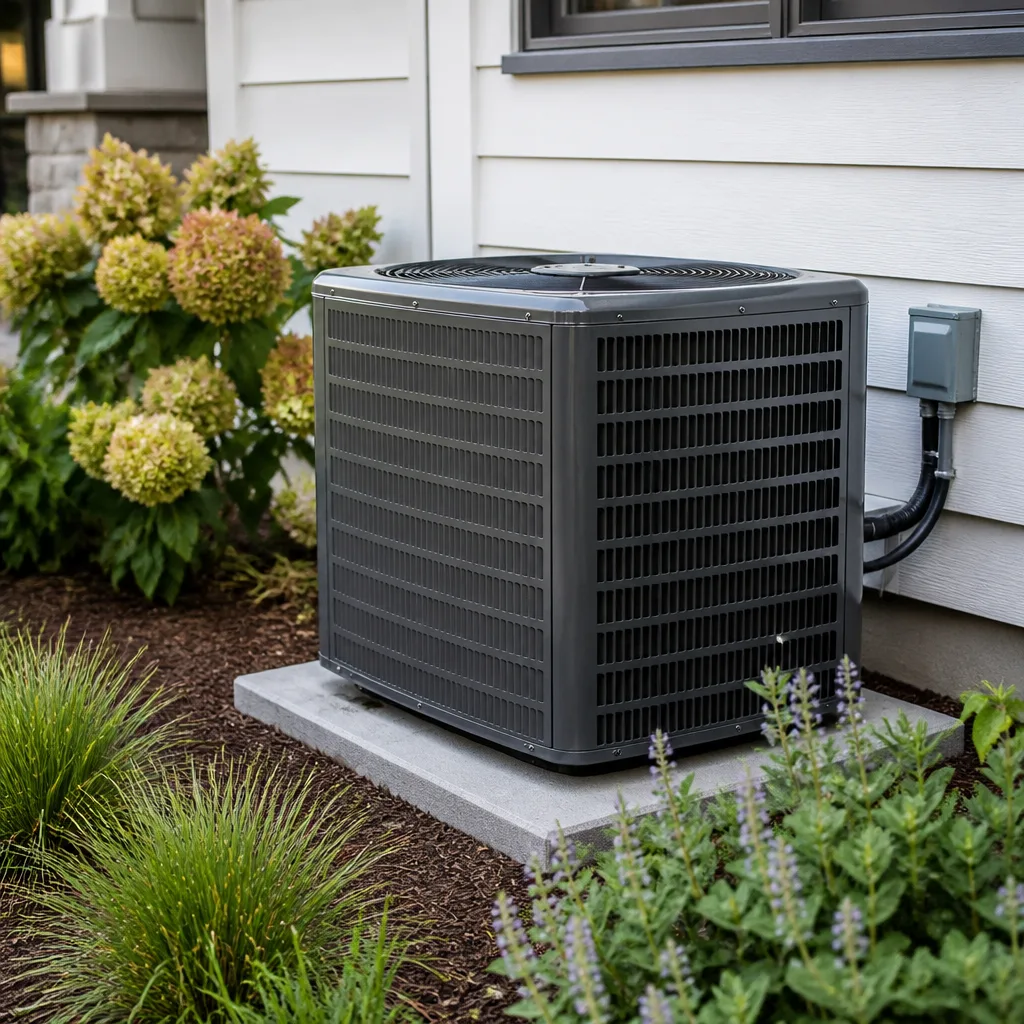 Goodman
Seasonal tune-up and full diagnostic on your Carrier, Trane, or Goodman system - readings shown to you before any repair is proposed
Diagnosis first, numbers second - you approve the repair price before a single part goes in.
Get your free estimateRheem Capacitor Replacement: The Atlanta Owner’s Guide
A Rheem capacitor replacement in Atlanta typically costs between $160 and $390 installed, parts and labor included, and most swaps are completed in under an hour once our technician is on site. We carry Rheem-spec capacitors on our trucks across the metro, so same-day capacitor replacement is available more often than not. The part fails quietly at first: your outdoor unit hums but won’t start, or the fan spins slower than it should, or you’re standing at the thermostat at 2 a.m. hearing a faint electrical buzz from the condenser.
The capacitor is the small cylinder inside your AC or heat pump that stores the electrical charge needed to kick-start the compressor and fan motor. When it weakens, the whole system struggles or refuses to run. In Atlanta’s heat, that’s not a problem you sit on. Here’s what you need to know before you call anyone.
Which Rheem Models This Applies To
Capacitors are a wear component, not a brand-specific design, but Rheem systems do have particular things worth knowing before you order or install one. Rheem’s residential lineup – the Classic, Prestige, and RA series condensing units from the past 15 years or so – most commonly uses dual-run capacitors rated at either 370 or 440 volts. The 440-volt rating is what you’ll find in the newer Prestige and Renaissance lines, and that matters because a 370-volt capacitor is not a safe substitute in a 440-volt system. The printed label on the failed capacitor tells you the microfarad rating, voltage, and tolerance. The most common failing combination in Rheem units around Atlanta is a 45/5 dual-run at 440 volts, but we’ve pulled 35/5, 40/5, 50/5 and 70/7.5 out of Rheem units in Grant Park and beyond plenty of times.
The microfarad (µF) number tells the capacitor how much charge to hold. Too low and the motor runs underpowered and hot. Too high and you’ll burn a winding. Heat and age are what do them in. Here’s one thing most online guides skip: Rheem units tend to run capacitors close to their upper temperature limit for most of an Atlanta summer, so a unit in a west-facing alcove or on a patio that traps hot air will eat capacitors faster than the same unit in a shaded, ventilated spot. That’s a real-world failure pattern we see every June and July.
OEM Rheem capacitors are sourced from the same global suppliers that make quality aftermarket equivalents, typically AmRad or similar US-made components. In practical terms, we install whichever one matches the unit’s exact spec and is in stock on the truck that day, because getting your air back matters more than the logo on the sleeve. Cold Harbour Heating and Air Atlanta is an independent HVAC company; we’re not affiliated with Rheem specifically, but our trucks carry capacitors for all nine major brands we service.
Styles & brands we work with
Signs Your Rheem Capacitor Replacement Is Failing
A capacitor that’s going bad rarely tells you directly. What it tells you is that your AC is behaving strangely. Here’s what that looks like, and why it’s happening:
- Outside unit hums but won’t start: The classic capacitor failure. The compressor or fan can’t get the torque to turn over, so the system tries, fails, and trips a thermal overload. What’s happening: the cap can no longer store enough charge to provide the starting surge the motor needs.
- Fan spins slowly or backwards: On a hot afternoon, a weak capacitor will sometimes let the condenser fan spin the wrong way after a gust of wind. It’ll drift, not rotate with force. What’s happening: the phase shift the capacitor creates has collapsed, so the motor gets the wrong rotational impulse.
- AC starts sometimes, not others: In the morning it fires right up. At 4 p.m. it won’t. What’s happening: heat raises the internal resistance of a failing capacitor. When it’s already 98 degrees outside, the capacitor operates at its worst, and the system won’t start when you need it most.
- AC runs but blows warm air: The compressor may be cycling on its overload, running for a few minutes, then shutting down. What’s happening: the capacitor can’t maintain the compressor’s run phase, so the motor heats up and trips. The fan keeps blowing, but there’s no cooling behind it.
- Visible bulging or leaking from the capacitor itself: If you’re comfortable opening the electrical panel and seeing it (with the breaker OFF), a capacitor that’s bulged at the top or has oily residue around the terminals is done. What’s happening: the dielectric material inside has broken down from heat, and the sealed cylinder has swollen.
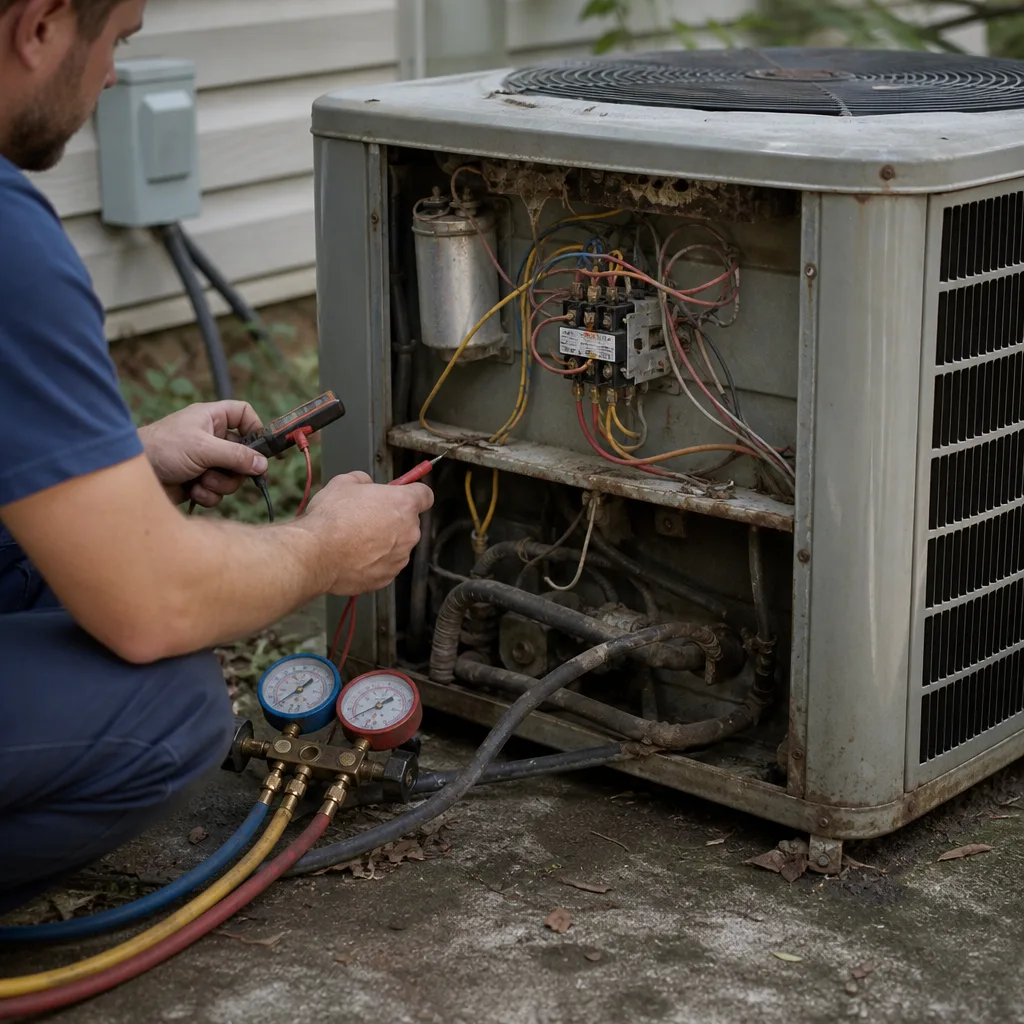
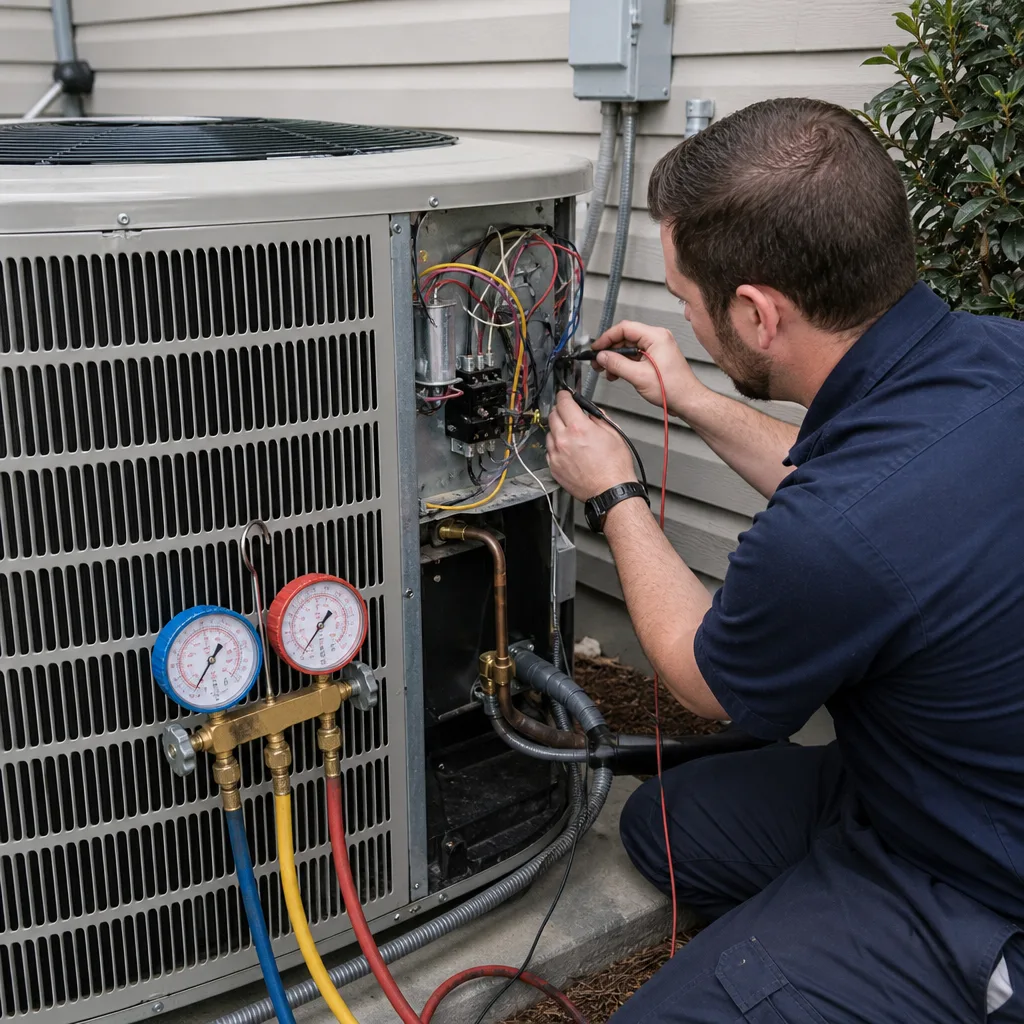
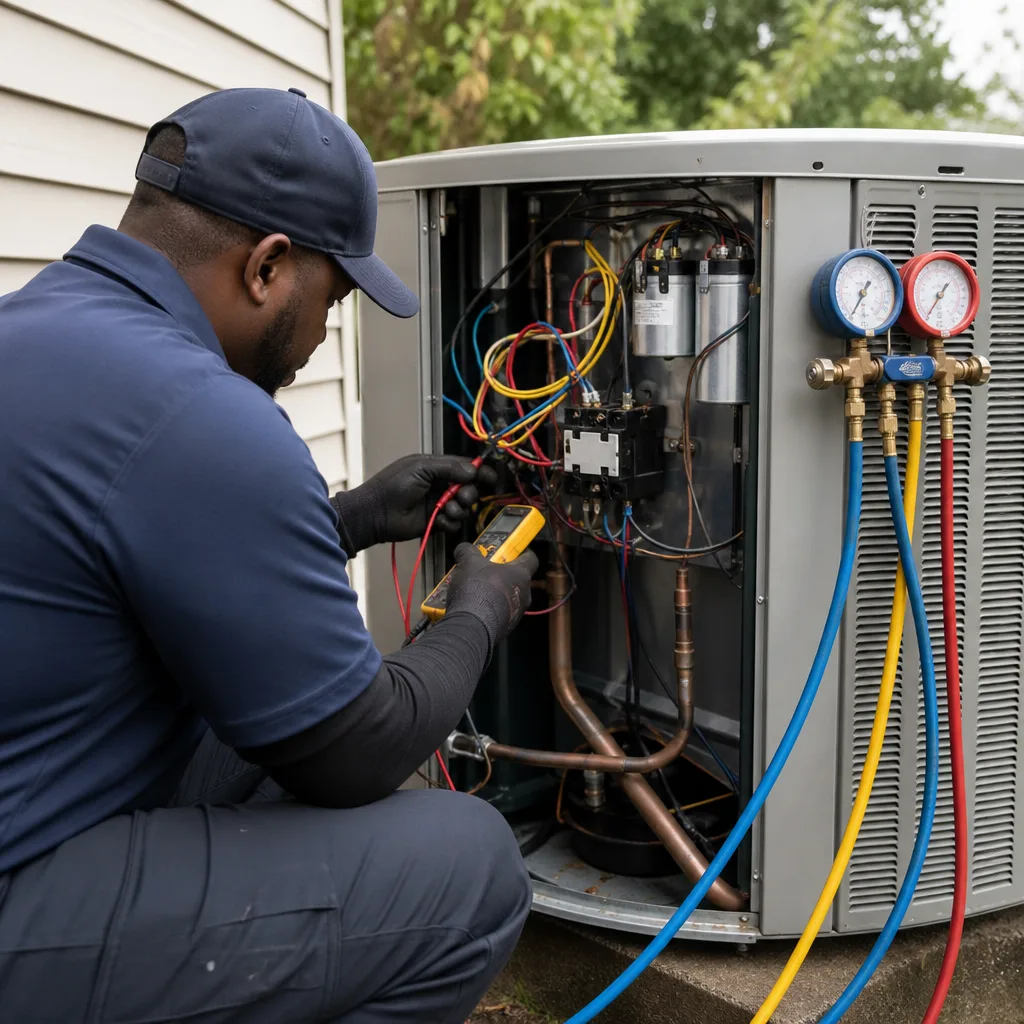
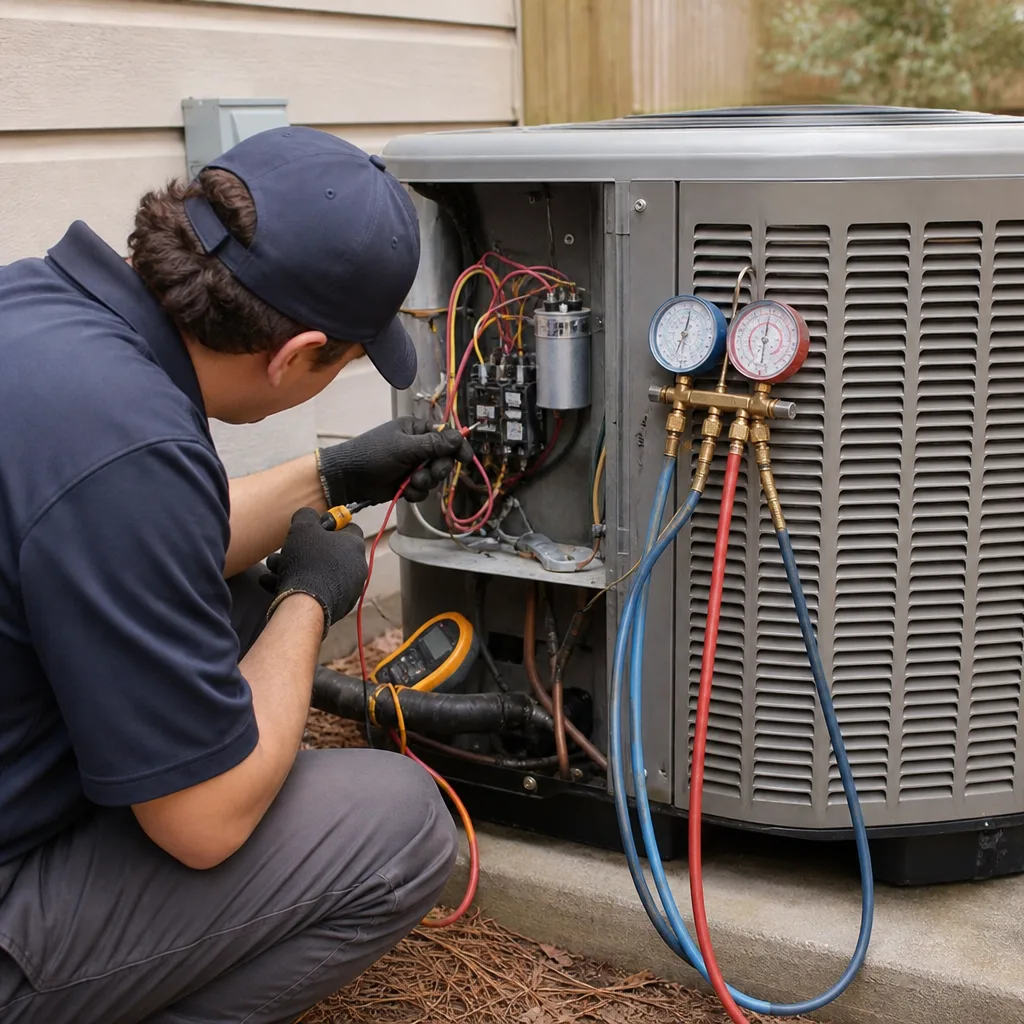
Most of these symptoms also point to a failing contactor, a burned fan motor, or a refrigerant level issue. That’s why we diagnose before we replace a single part. Victor Mancini’s approach, honed over nearly two decades of working systems in this region’s heat, is to verify the capacitor’s microfarad reading with a meter before it gets swapped. A capacitor that reads 38 on a 45-rated unit is weak, and that’s data, not a guess.
See the difference
 Before
 After
After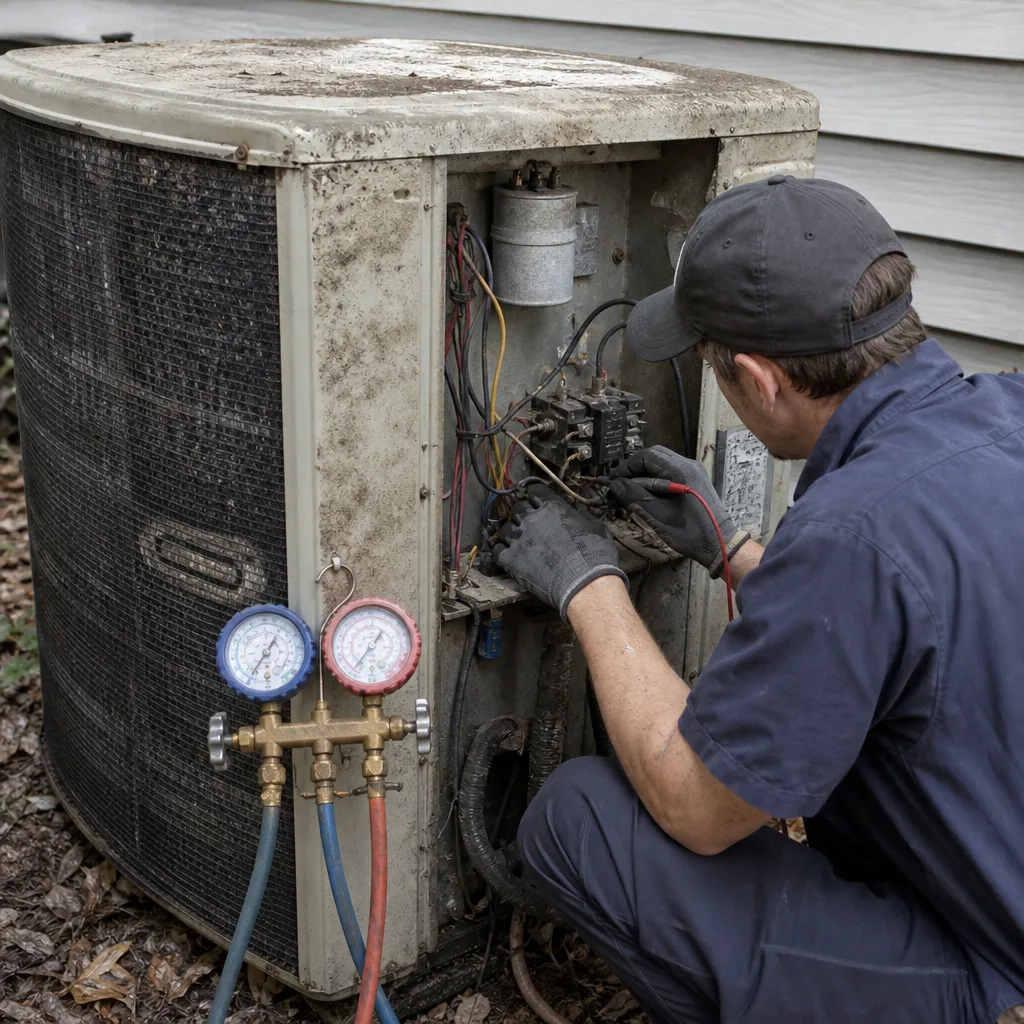 Before
 After
After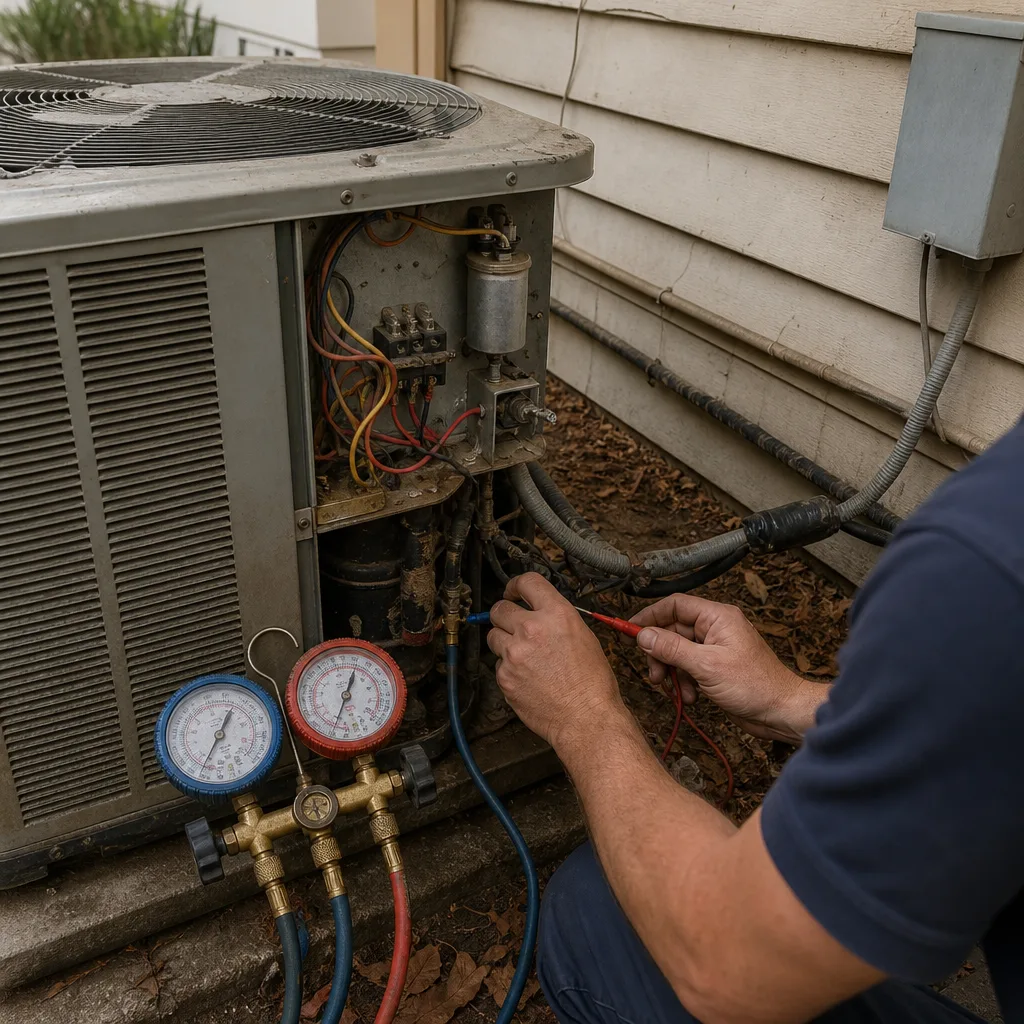 Before
 After
AfterReplacement Cost & What’s Included
In Atlanta, a Rheem capacitor replacement runs $160 to $390 installed, with most common single-capacitor swaps landing between $180 and $280 on a weekday. What drives the range: the specific part spec your unit needs, whether it’s a single or dual-run capacitor, and whether the failure also took out something adjacent, like a contactor. Some Rheem models have two capacitors – one for the compressor and one for the fan – and if both are aged, replacing both at once is the right move and is what pushes you toward the higher end.
That number is a written, upfront price. Under the Kingswell Way, we hand you the price before we touch a single tool, and it doesn’t change at the door. Every repair includes a written 365-Day Done Right Promise: if that capacitor fails within a full year, we come back and fix it at no charge, no argument, no “it must have been a different problem.” The guarantee is on paper, not on a handshake, because a cold harbour was a roadside shelter where travelers waited out the weather. Our job is to give you shelter from Atlanta’s summers and winters, and to put that in writing.
DIY or Call Us?
Here’s the honest split. If you’re an experienced homeowner who has worked safely inside an electrical panel, you can open the disconnect box, kill the breaker, and read the label on the capacitor to get the spec. That’s genuinely useful: it lets you tell us exactly what we’re looking at, and it tells you whether you have a dual-run or a single-run unit. Reading the label is perfectly safe when the power is off.
Replacing the capacitor is a different animal. A capacitor holds a dangerous electrical charge even after the power is off. Touching the wrong terminal without discharging it properly can deliver a shock that will knock you flat or worse. If it’s mis-wired or installed with the wrong spec, you can destroy a compressor that costs more than a small vacation. We’ve been called to enough “YouTube repair” jobs in East Atlanta where the capacitor was fine and the real culprit was a pitted contactor that nobody checked. Tell me what it’s doing, and I’ll tell you what it needs – no guesswork, no extras. If you’d rather not open that panel at all, that’s what we’re for. Call us at (478) 223-8776 and we’ll be there in a live-answered phone call, no voicemail tree.
FAQs
A Rheem capacitor in the Atlanta climate typically lasts 7 to 15 years, though we see units on the shorter end of that range when the condenser sits in direct afternoon sun or in a cramped, poorly ventilated alcove. The heat load here ages capacitors faster than in cooler climates, which is why we check capacitor readings as a routine part of every AC tune-up. If yours is at 75% of its rated microfarads or less, we’ll flag it and hand you a written price to replace it on the spot. Call (478) 223-8776 and we’ll test it on the next visit.
No, capacitors are sealed units and are never repaired – when they fail, they’re replaced. The internals are a rolled dielectric and electrolyte that degrade chemically over time; there’s no serviceable component inside. The good news is that a replacement capacitor is among the least expensive parts in your AC system and takes under an hour to install. For an exact price on your Rheem model, call (478) 223-8776 and a live person will give you an estimate range before we ever roll a truck.
Most Rheem capacitor replacements take 30 to 60 minutes from panel-off to panel-on, assuming the diagnosis confirms the capacitor is the sole fault. We verify the microfarad rating with a meter first, and if the contactor or fan motor is also worn, we’ll show you that in writing before adding anything to the work. You’ll have your written price before the job starts and a written 365-day guarantee before our technician leaves. To get on the schedule today, call (478) 223-8776.
Yes, our trucks carry the most common Rheem capacitor specs for Atlanta’s housing stock, including the 35/5, 40/5, 45/5, 50/5, and 70/7.5 dual-run units at 370 and 440 volts. We also stock compatible capacitor options for the other major brands we service, including Carrier, Trane, and Lennox, so whatever system is already in the home, we can work on it. If your unit takes an unusual spec, we can source it from our Atlanta suppliers typically the same day. Call (478) 223-8776 for a free estimate and we’ll confirm what your system needs.
Written by Victor Mancini, Owner & Lead Technician, Cold Harbour Heating and Air Atlanta at Cold Harbour Heating and Air Atlanta, serving Atlanta and nearby areas.