
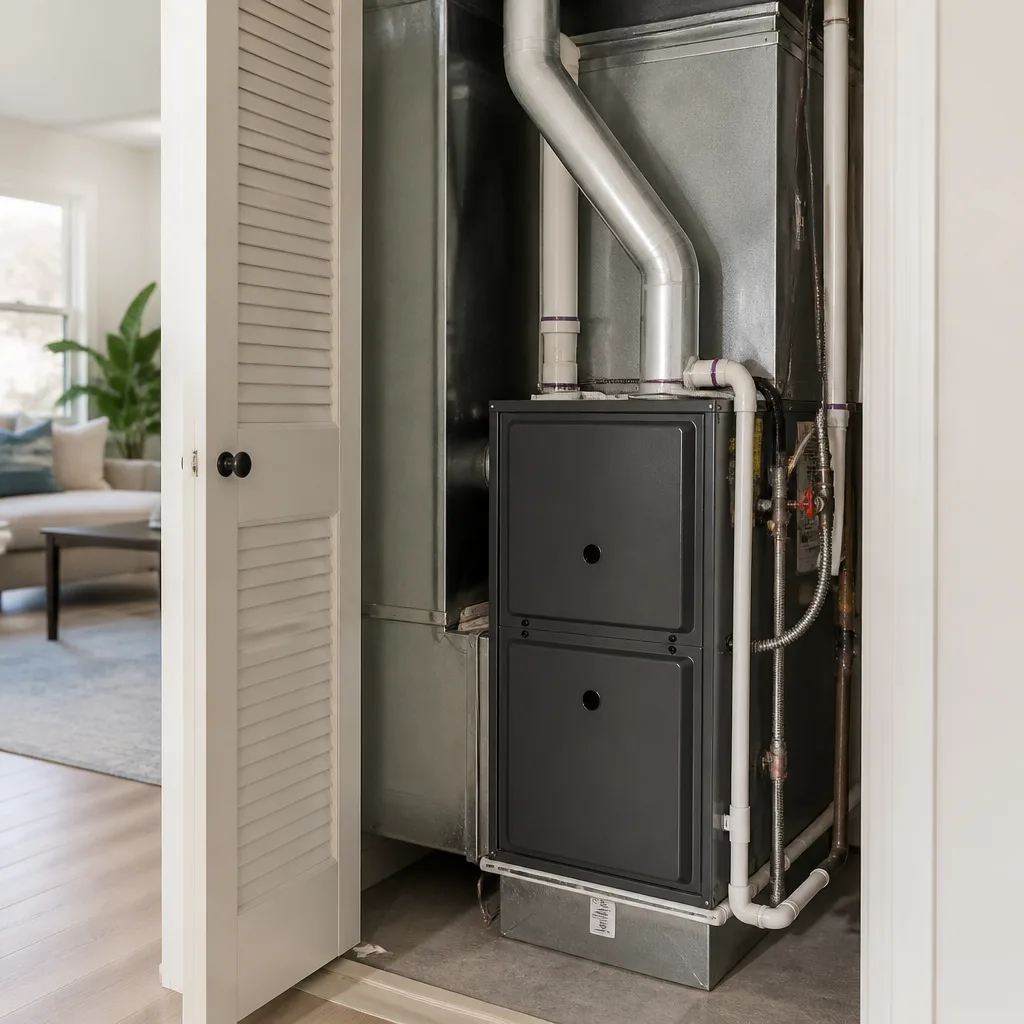
 Furnace & heating
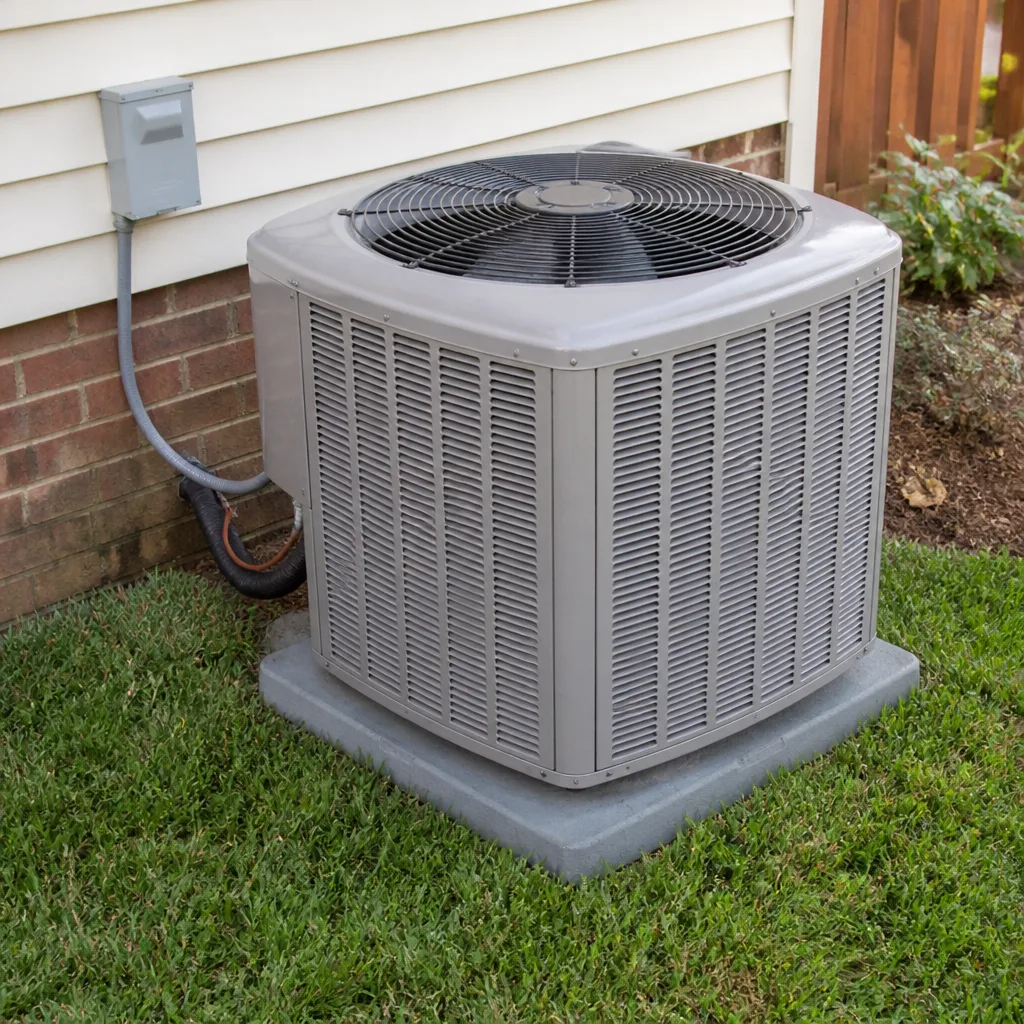 AC repair
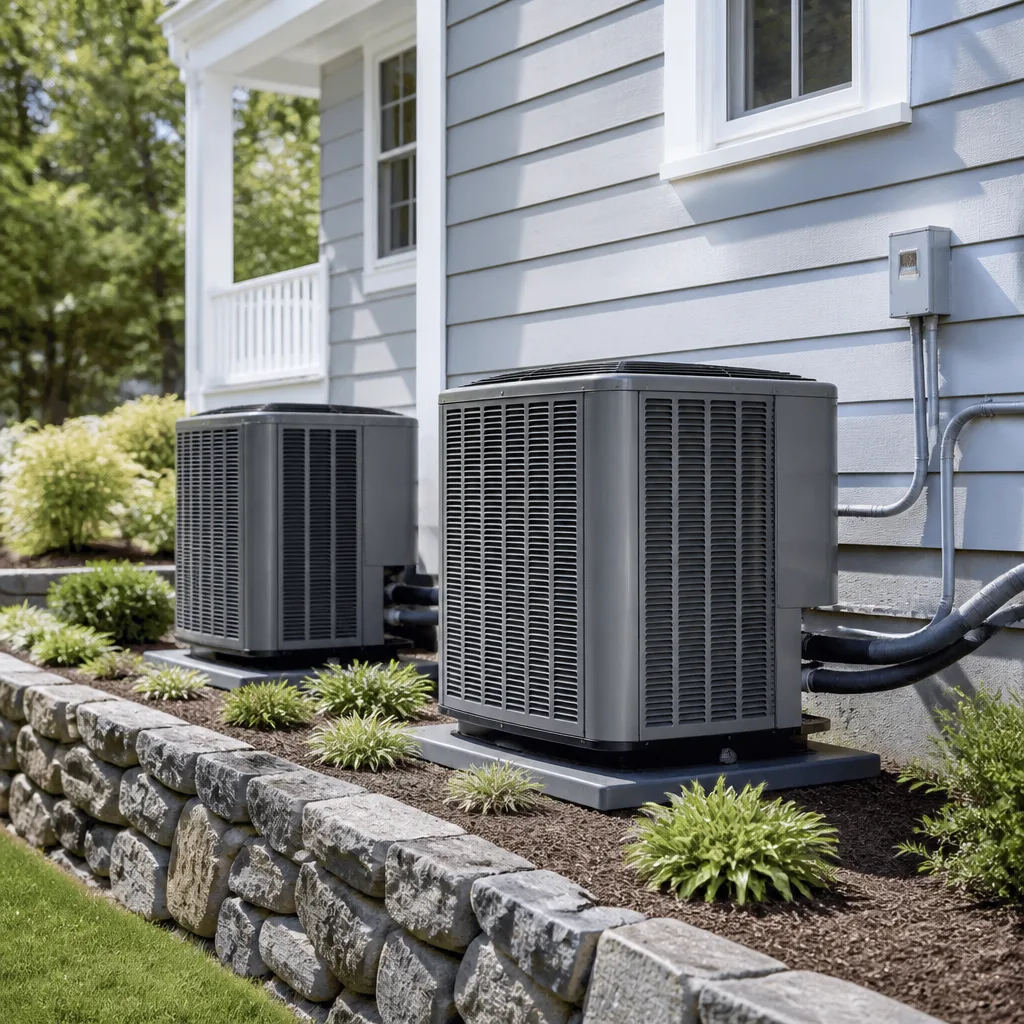 Heat pumps
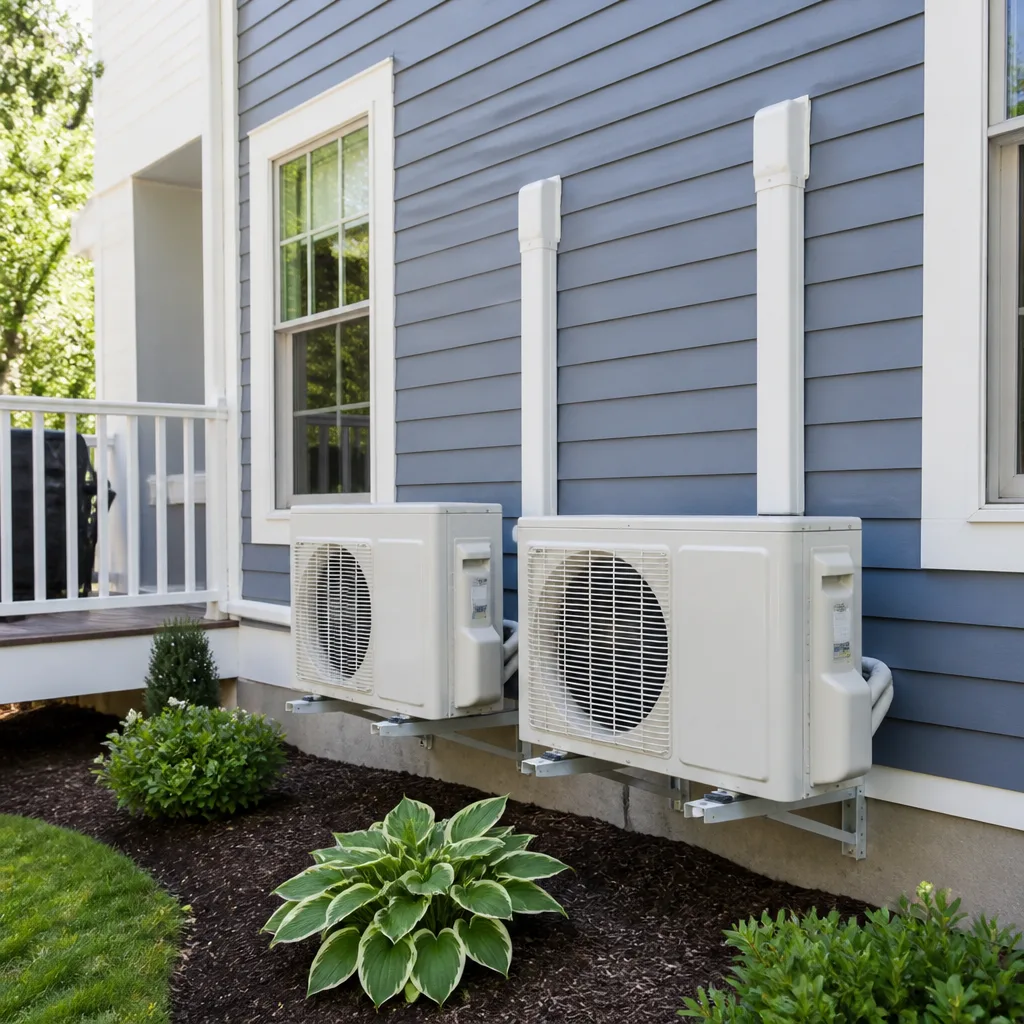 Ductless mini splits
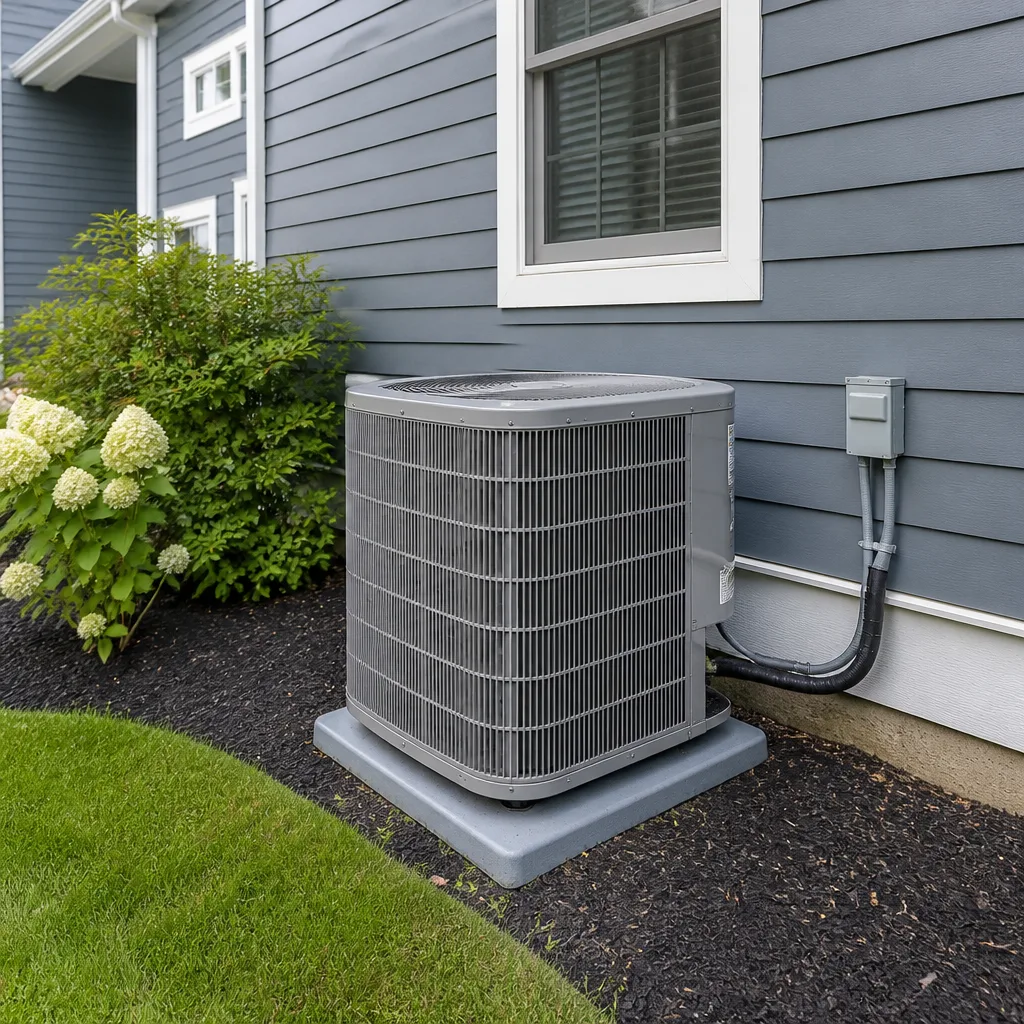 Carrier
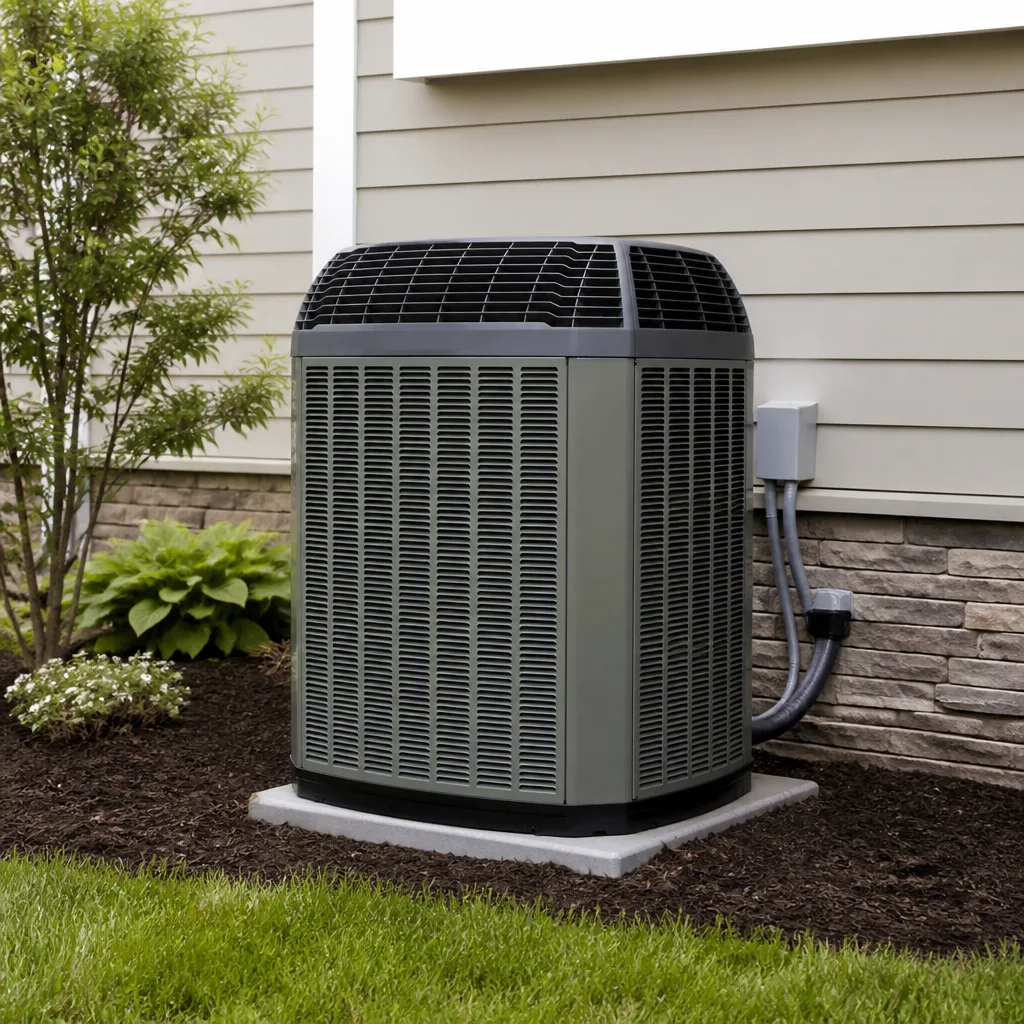 Trane
Trane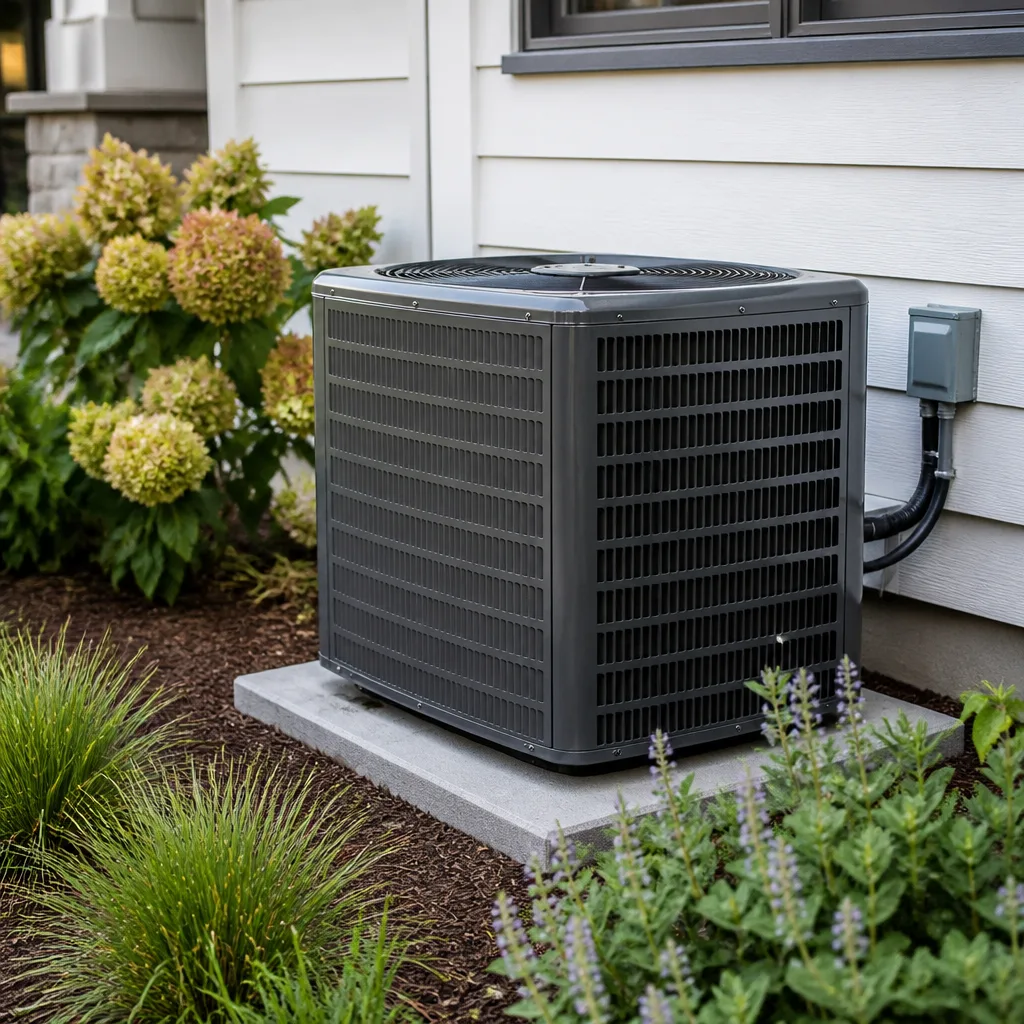 Goodman
Seasonal tune-up and full diagnostic on your Carrier, Trane, or Goodman system - readings shown to you before any repair is proposed
Diagnosis first, numbers second - you approve the repair price before a single part goes in.
Get your free estimateAmerican Standard Capacitor Replacement: The Atlanta Owner’s Guide
We stock American Standard-compatible capacitors on our trucks and install them same-day across Atlanta. A capacitor replacement typically runs $150 – $280 installed on most American Standard residential systems, depending on the capacitor’s microfarad rating and whether it’s a single or dual-run unit. Most Atlanta homeowners discover the failure the hard way: the air conditioner hums but the fan won’t spin, or it starts and dies within minutes on a 94-degree July afternoon.
Here’s the short version from Victor Mancini, our owner and lead technician: a capacitor is the part that stores and releases the electrical kick your compressor and fan motor need to start. When it weakens, the system struggles. When it dies, nothing runs. Tell me what it’s doing, and I’ll tell you what it needs, no guesswork, no extras.
Key Takeaways
- American Standard capacitor replacements in Atlanta typically cost $150 – $280 installed, parts and labor included.
- We carry OEM-spec and quality aftermarket capacitors for American Standard systems on our trucks, so most calls are one visit.
- Every replacement is covered by our 365-Day Done Right Promise in writing.
- Capacitors are electrical components with stored charge. If you’re not comfortable working around live voltage, call us. This is not a part to guess at.
- Call (478) 223-8776 and a live person answers, 24 hours a day, every day.
Which American Standard Models This Applies To
American Standard has used similar capacitor architecture across its residential condenser lines for years, which means the replacement procedure is consistent across most models: Silver, Gold, and Platinum series air conditioners, Allegiance and Heritage heat pumps, and most systems paired with American Standard furnaces and air handlers. The most common residential capacitors we replace in Atlanta are dual-run capacitors rated between 30/5 and 60/10 microfarads, handling both the compressor and the outdoor fan motor in one housing.
Here’s the compatibility gotcha that trips up a lot of do-it-yourselfers: American Standard units sometimes ship with capacitors that have slightly different microfarad ratings depending on the compressor tonnage, and a capacitor that’s off by more than 6% or so in either direction will shorten the life of the compressor or the fan motor. You can’t just grab any capacitor with roughly the right shape. The rating is printed on the side of the existing capacitor in microfarads and voltage, and matching that exactly, not approximately, is the difference between a repair that lasts years and one that fails again before the Atlanta summer ends.
On the OEM-versus-aftermarket question: American Standard doesn’t make its own capacitors. They source them from the same tier-one electrical component manufacturers that produce capacitors under brands like AmRad, Titan, and MARS. A quality aftermarket capacitor with the correct microfarad and voltage rating performs identically to the OEM-labeled part, and we’ve installed thousands of both. What we won’t do is install a bargain-bin capacitor that tests out of spec before it ever leaves the truck. Every capacitor we carry gets checked before it goes in.
Styles & brands we work with
Signs Your American Standard Capacitor Replacement Is Failing
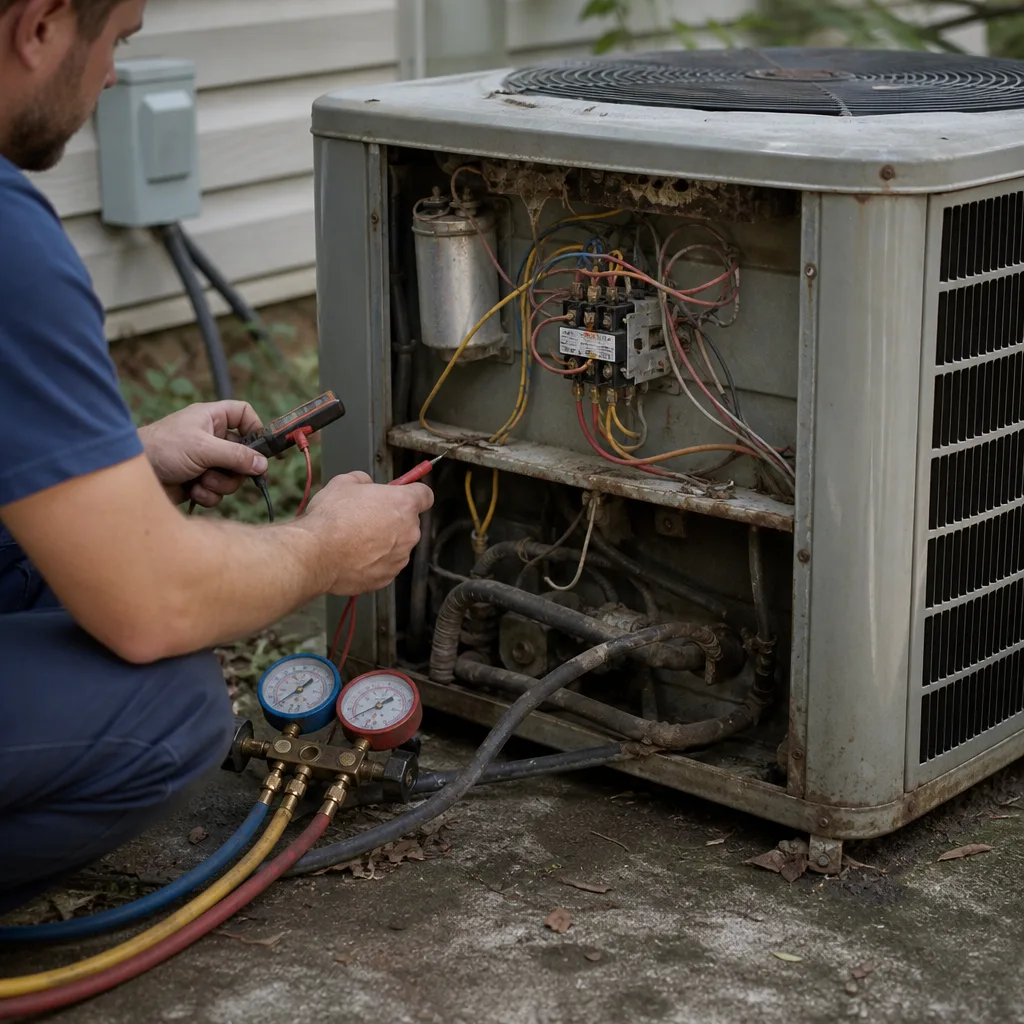
- The outdoor unit hums but the fan doesn’t turn. This is the most common capacitor failure symptom. The capacitor has lost enough stored energy that it can no longer provide the starting torque the fan motor needs. A gentle push with a stick will sometimes get the fan spinning, but that’s a diagnostic trick, not a fix. The capacitor is done.
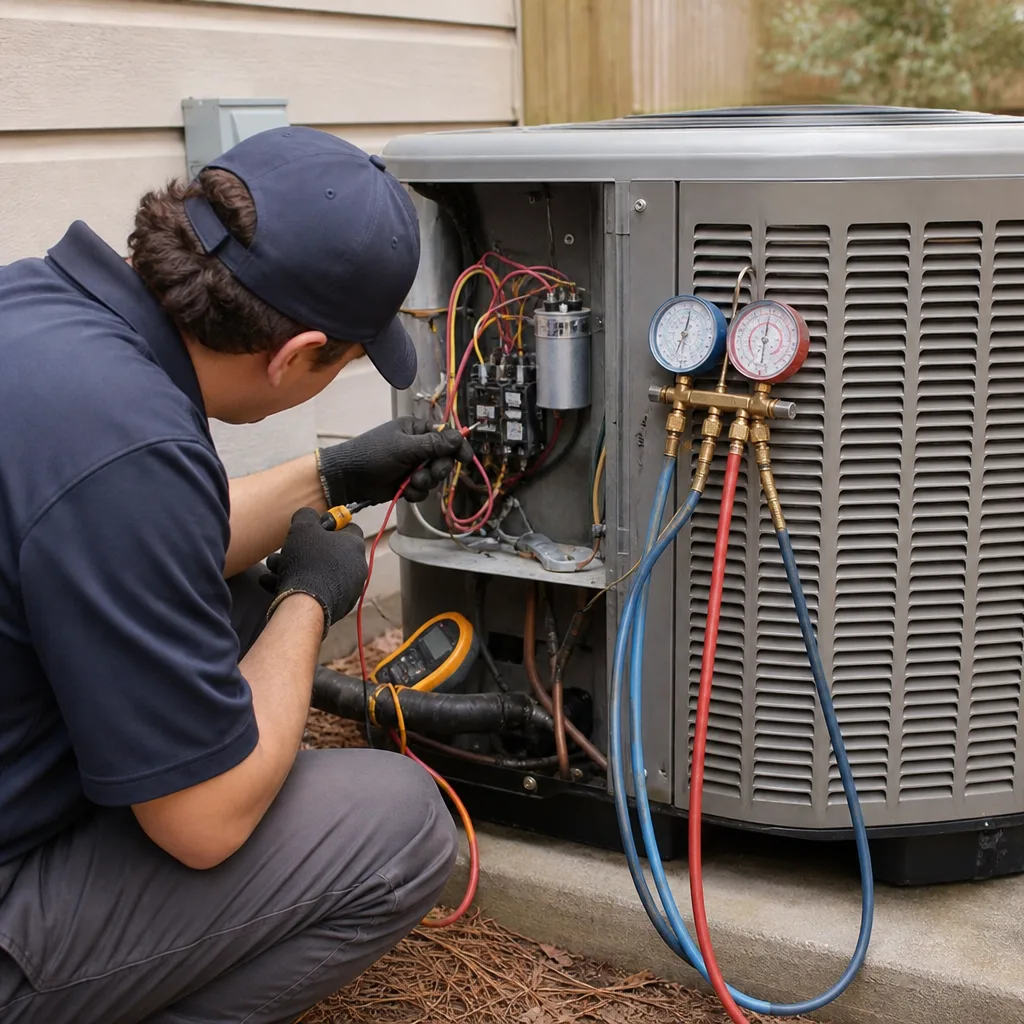
- The air conditioner starts and then shuts off within a few minutes. The compressor needs the capacitor’s stored charge to start against refrigerant pressure. A weak capacitor might get it started once, then overheat the compressor’s internal thermal switch, which trips and shuts the whole system down. In Atlanta’s heat, this often gets written off as an oversized system or a dirty coil. A quick capacitance test tells us the truth.
- The compressor makes a clicking sound every few minutes but never runs. This is the capacitor trying and failing to provide the starting voltage. It’s not just an inconvenience; it’s a safety risk because repeated failed starts strain the compressor windings, and compressors cost thousands to replace. The capacitor is the much cheaper repair you want to catch first.
- The top of the capacitor is swollen or leaking oil. Capacitors are sealed metal cylinders. When they overheat internally, pressure builds and the top domes outward. Sometimes they leak a thin dielectric fluid. A bulged capacitor is a failed capacitor, no further diagnosis needed. We see this more often in August than any other month because Atlanta’s sustained heat leaves capacitors running hot for weeks on end.
- The system runs fine in the morning but fails in the afternoon. Heat raises electrical resistance inside a capacitor. A capacitor that’s marginal at 7 a.m. can fail at 3 p.m. on a 96-degree roof. If your American Standard unit has a two-hour window of good behavior before it quits, we’d put money on the capacitor before we’d look at anything else.
See the difference
 Before
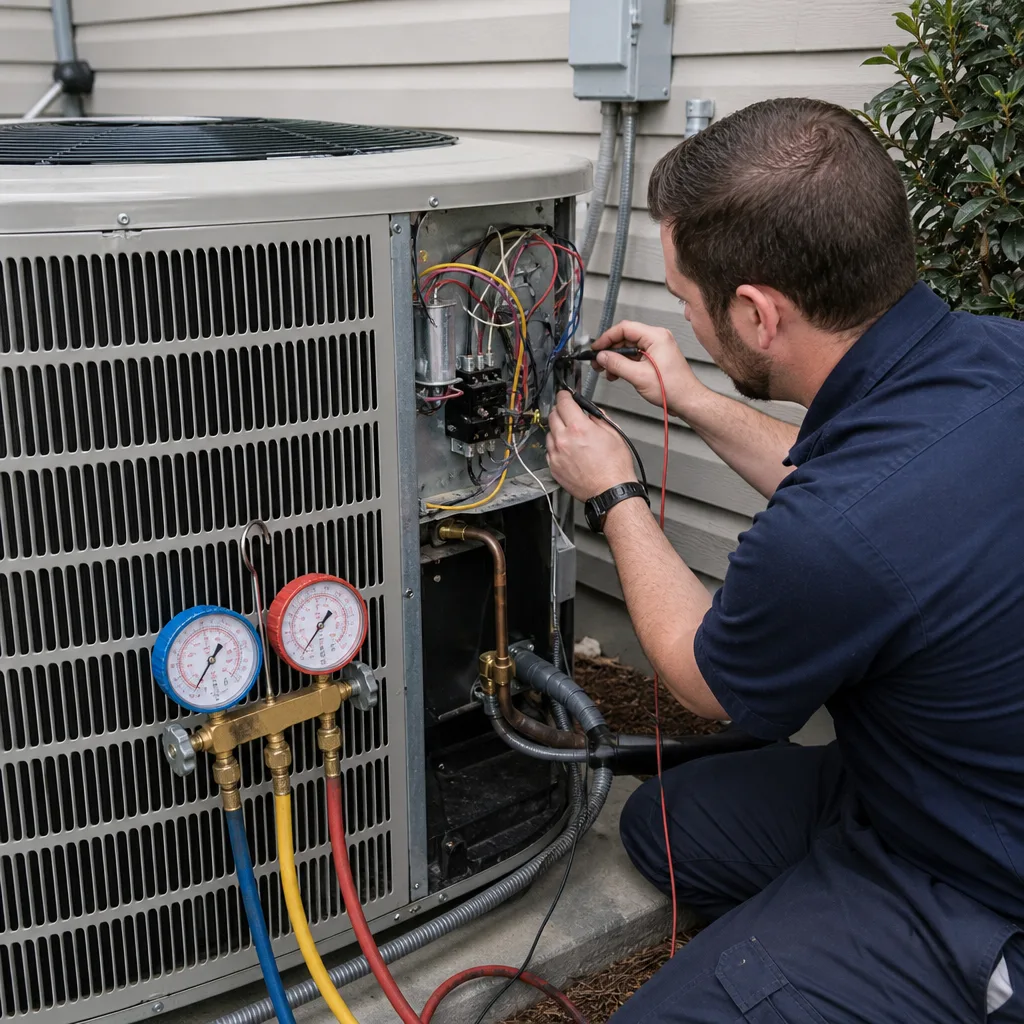 After
After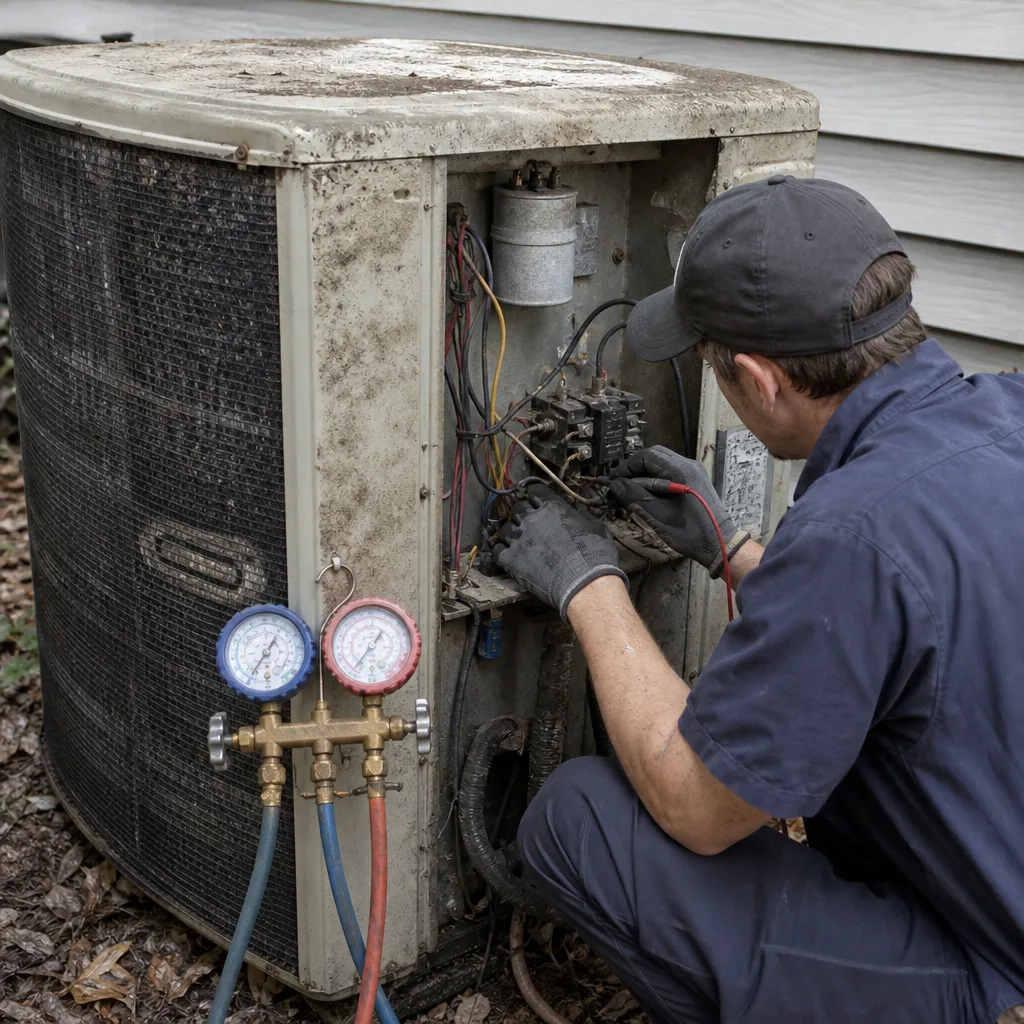 Before
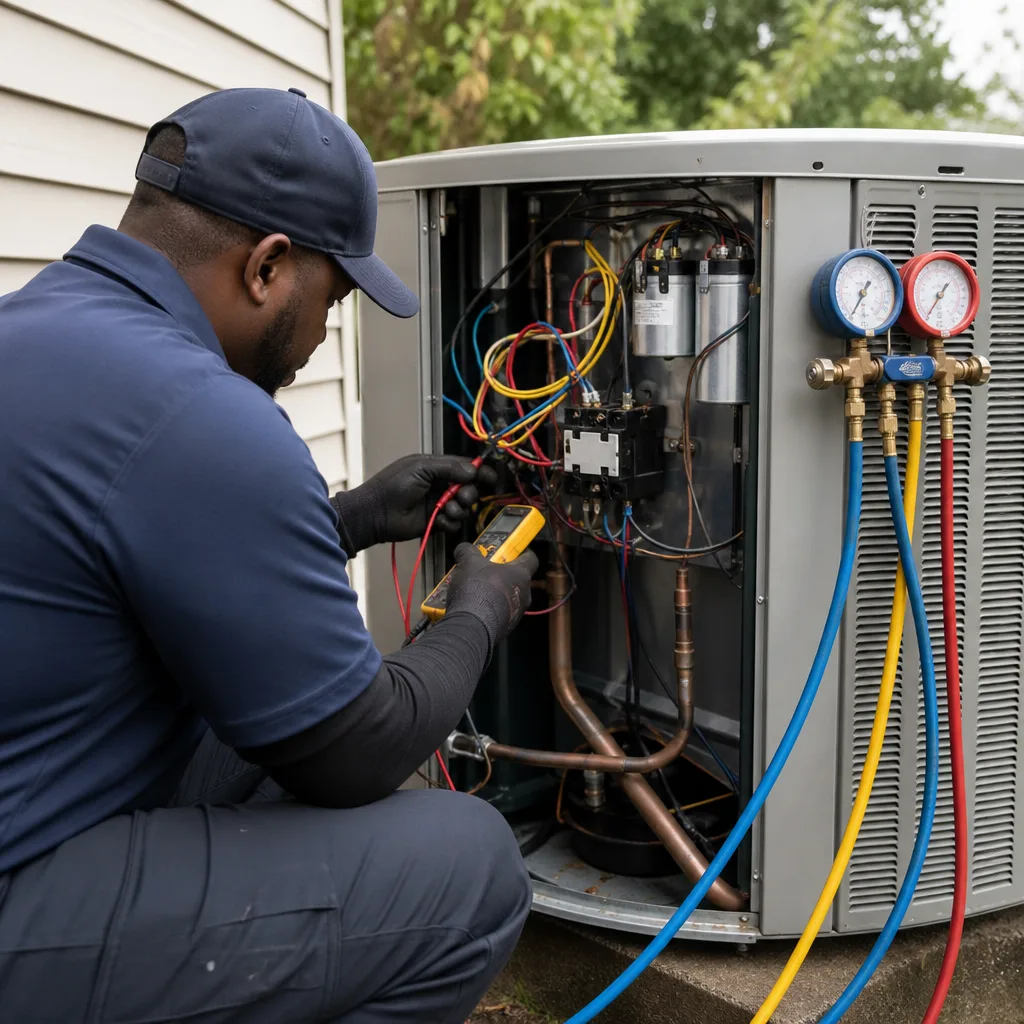 After
After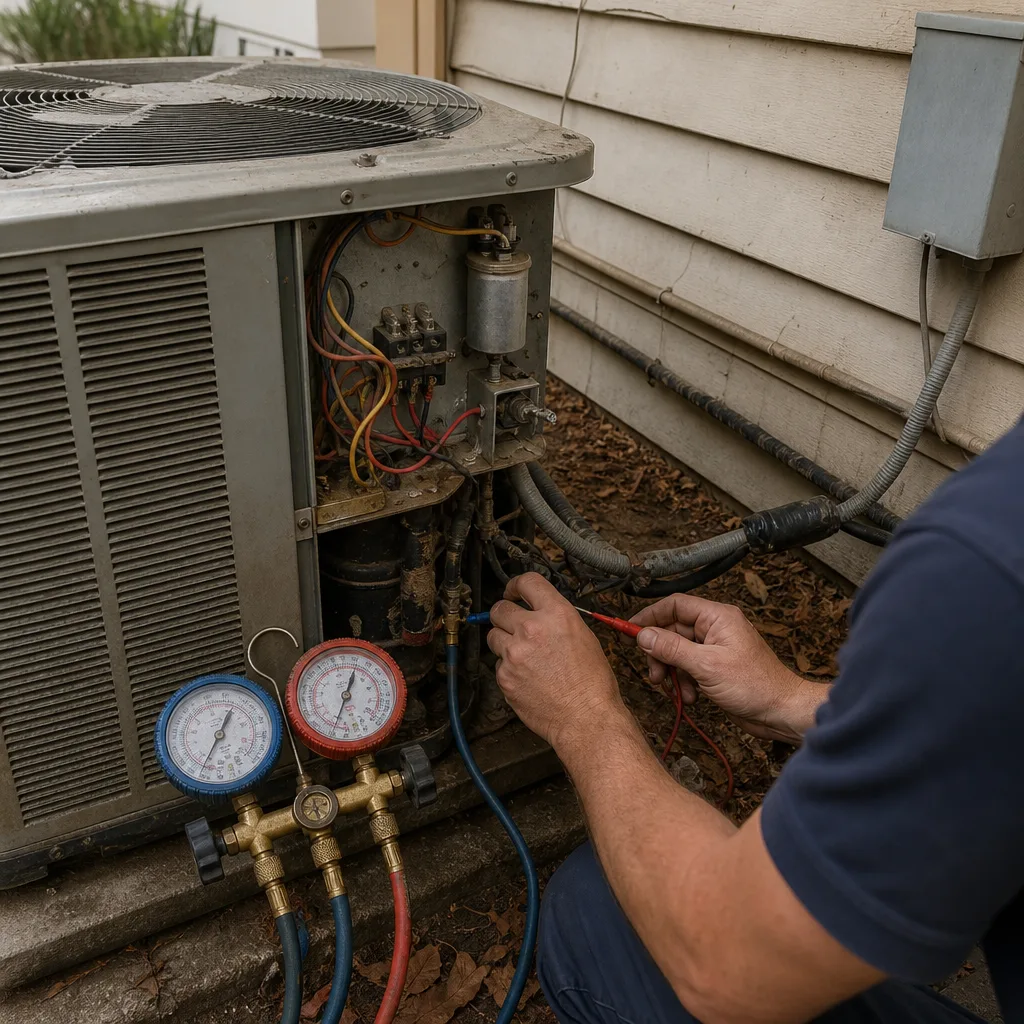 Before
 After
AfterReplacement Cost & What’s Included
In Atlanta, an American Standard capacitor replacement on most residential units runs $150 – $280 installed. That’s parts and labor, with the price written down and handed to you before we touch a single tool. The spread comes mostly from the capacitor type: single-run capacitors, which serve only the fan motor, sit at the lower end, while dual-run capacitors, which serve both the fan and compressor, run toward the higher end. A 45/5 or 50/5 dual-run capacitor, which is what many 3-ton and 4-ton American Standard condensers use, is the middle of that range.
Here’s what’s included in the price, every time. We test the old capacitor to confirm it failed, and we test the new one before installation. We check the contactor and wiring terminals while we’re in there because capacitor failures often damage or corrode those points, and a capacitor replaced onto a burned contactor is a callback in waiting. The replacement is covered in writing by our 365-Day Done Right Promise. If it fails within a full year, we come back and correct it at no charge. No fine print, no argument, on paper.
We’re an independent Atlanta HVAC company. We’re not affiliated with American Standard, and we don’t claim to be. We service American Standard equipment daily, along with Carrier, Trane, and Lennox systems, and we stock parts for all of them on our trucks.
DIY or Call Us?
Let’s be honest about this one. A capacitor stores an electrical charge even when the system is powered off. Capacitors in residential HVAC systems routinely hold 370 to 440 volts, and touching the terminals without discharging the component first can knock you on your back or worse. This is the part of the conversation where a real technician tells you plainly: if you’re not trained in electrical safety and comfortable using a multimeter, this is not the repair to try from a YouTube video. The capacitor is wired directly into the compressor circuit, and a mistake there turns a $250 part replacement into a $3,000 compressor job.
What you can safely do is check the obvious: make sure the breaker hasn’t tripped, listen for that humming sound, and look at the unit from the outside. If the capacitor is visibly swollen through the access panel, that’s your diagnosis. You don’t need to risk opening the electrical compartment to confirm what you already know. Then call (478) 223-8776. A live person answers, and we’ll give you a written price before the work starts.
FAQs
Most capacitors last 5 to 10 years, but Atlanta’s heat waves shorten that. Sustained 90-degree-plus days with high humidity push capacitors to run hot for extended stretches, and heat is what kills them. A capacitor that might last 12 years in a mild climate often fails in 6 or 7 years in Atlanta, which is why we test capacitor health during every tune-up. Call (478) 223-8776 for an exact quote, estimates are free.
No. A capacitor is a sealed, non-serviceable electrical component. Once it’s weakened, bulged, or leaked, it’s finished, and there is no safe or reliable way to restore it. The good news is that replacement is quick, the part is common, and we carry American Standard-compatible capacitors on our trucks. Call us at (478) 223-8776 for a free estimate.
Most capacitor replacements take 30 to 45 minutes from start to finish, including testing the old part, installing the new one, and checking the system through a full start-up cycle. If the capacitor failure damaged the contactor or terminal connections, the visit may run a bit longer, and we’ll show you exactly what we found before any additional work begins.
Yes. We keep a range of single-run and dual-run capacitors in the most common American Standard sizes on our service vehicles, so most Atlanta capacitor replacements are same-day, single-visit jobs. If your unit needs a less common rating, we’ll have it sourced same-day and get your system running without leaving you waiting through an Atlanta summer night. Call (478) 223-8776 and a live person answers 24/7.
Written by Victor Mancini, Owner & Lead Technician, Cold Harbour Heating and Air Atlanta at Cold Harbour Heating and Air Atlanta, serving Atlanta and nearby areas.