
Last updated October 16, 2026
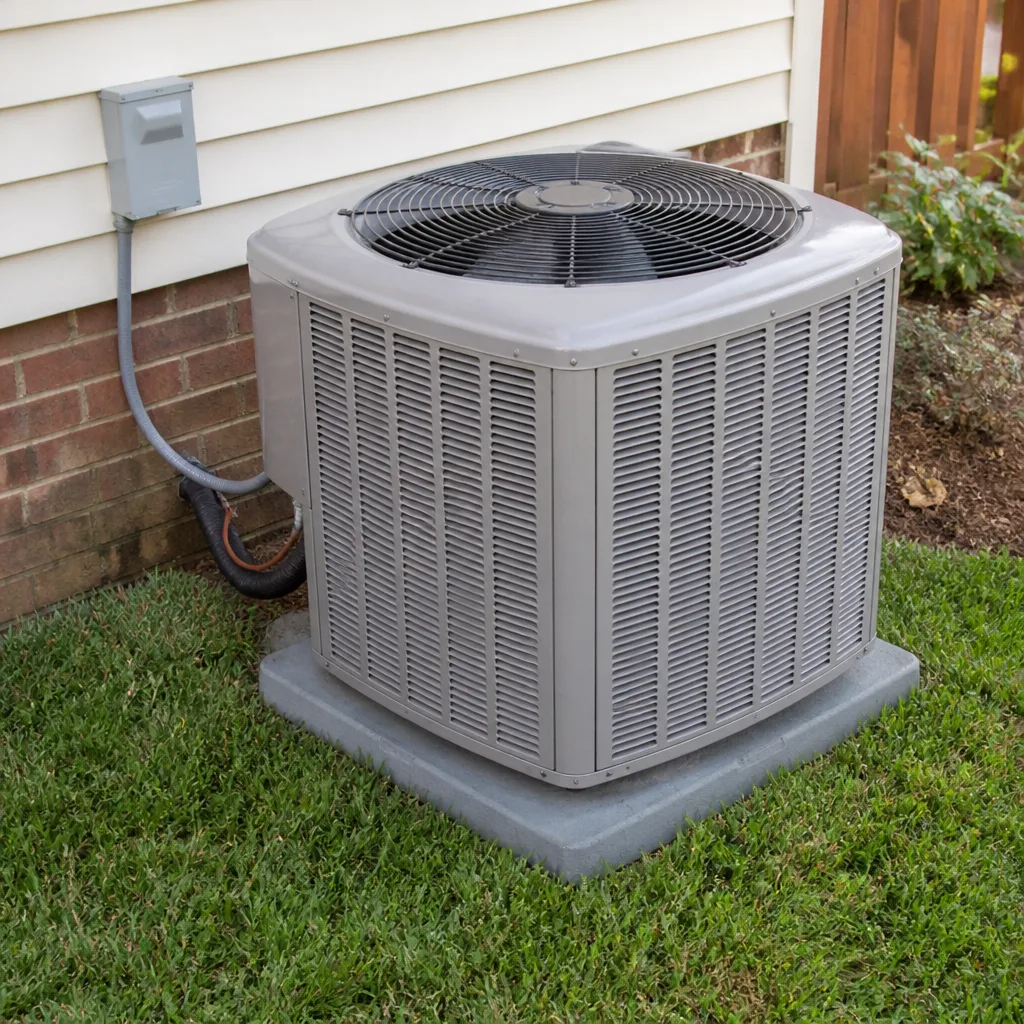 AC repair
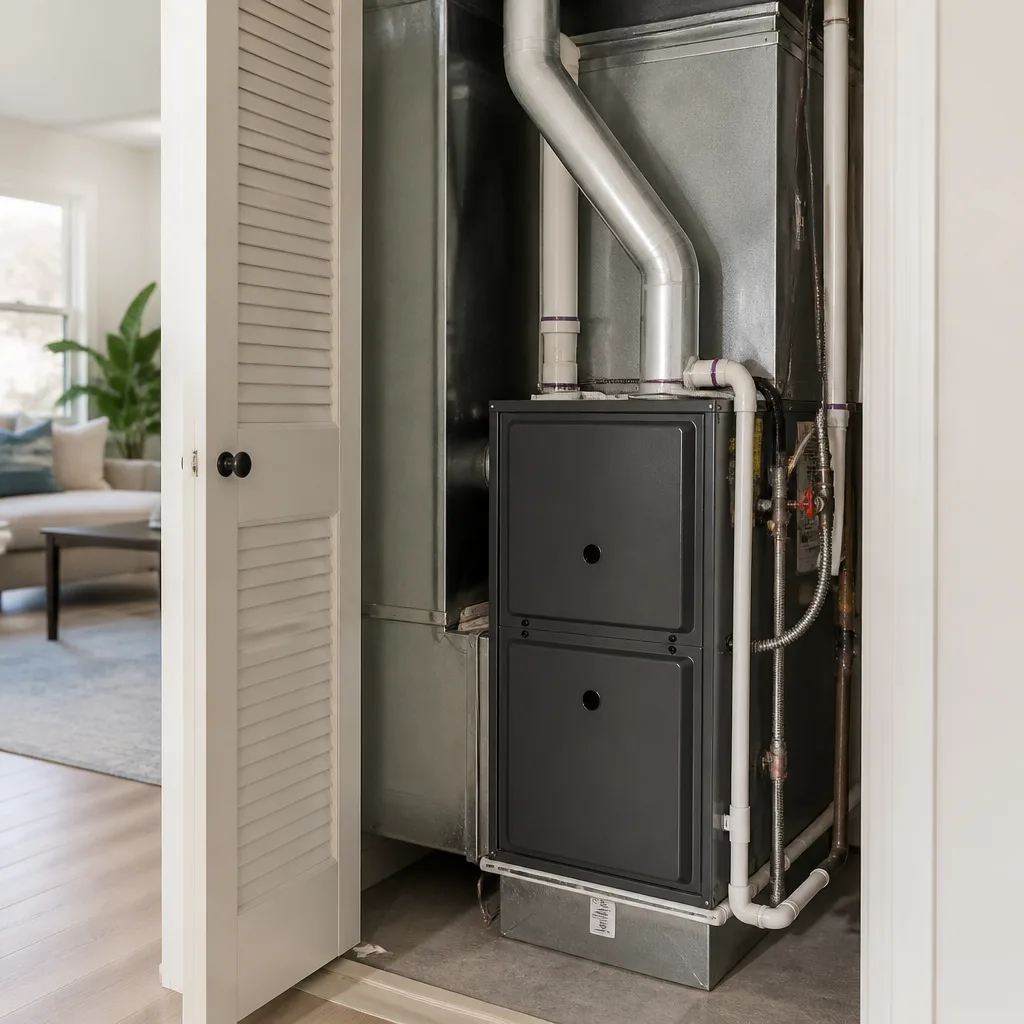 Furnace & heating
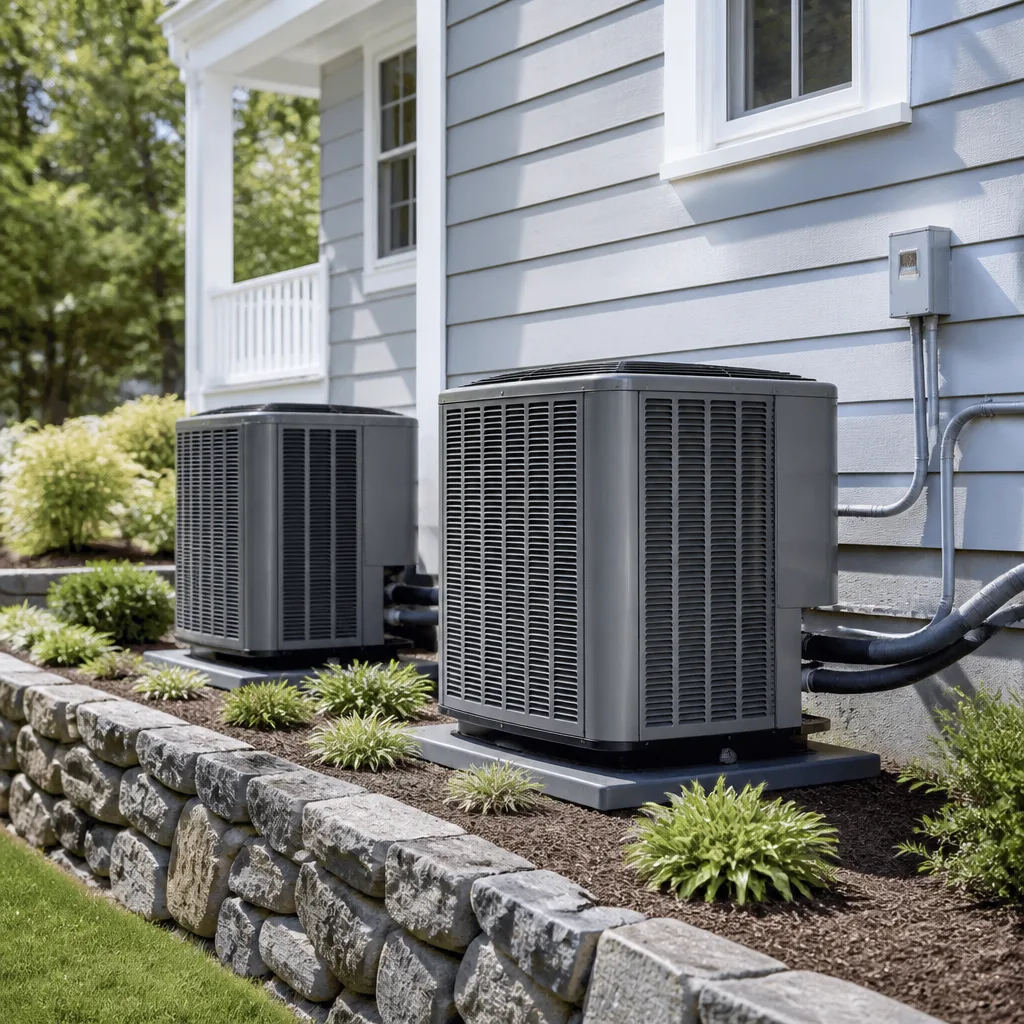 Heat pumps
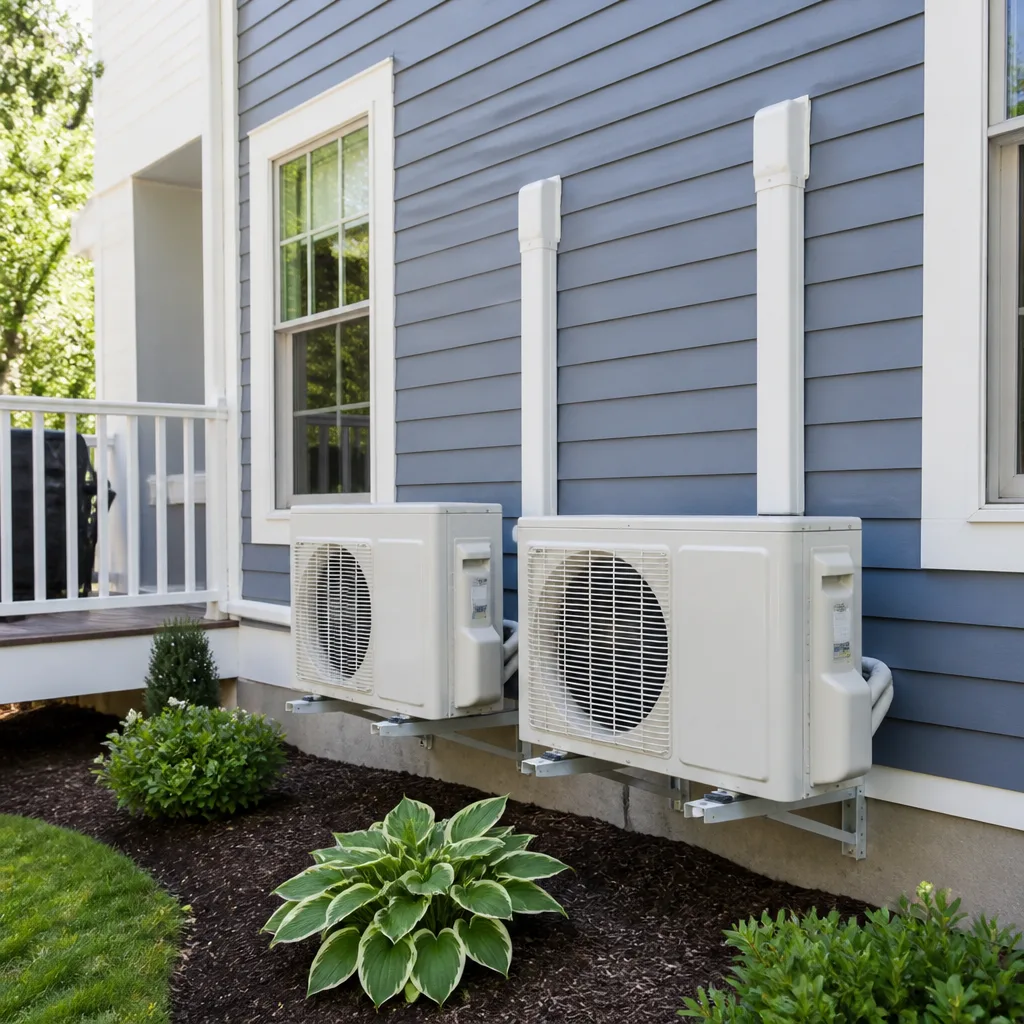 Ductless mini splits
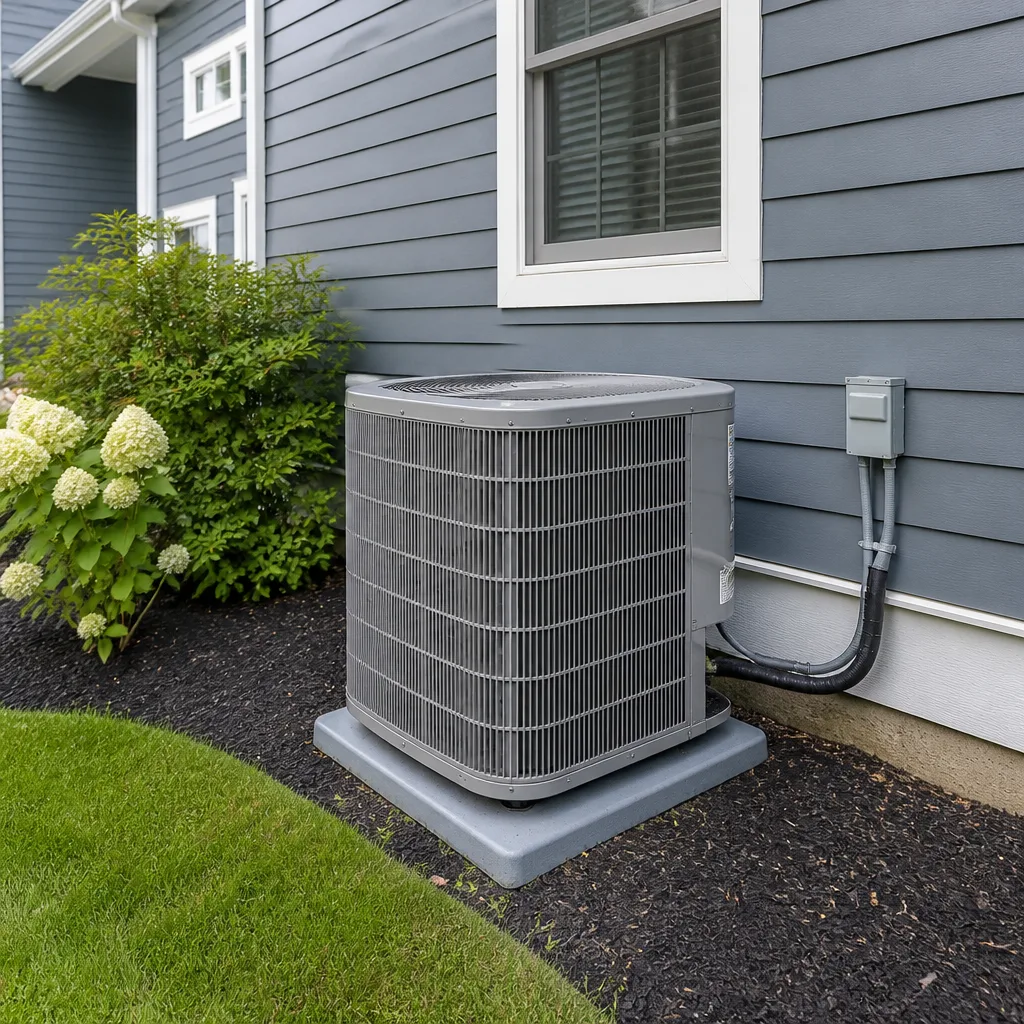 Carrier
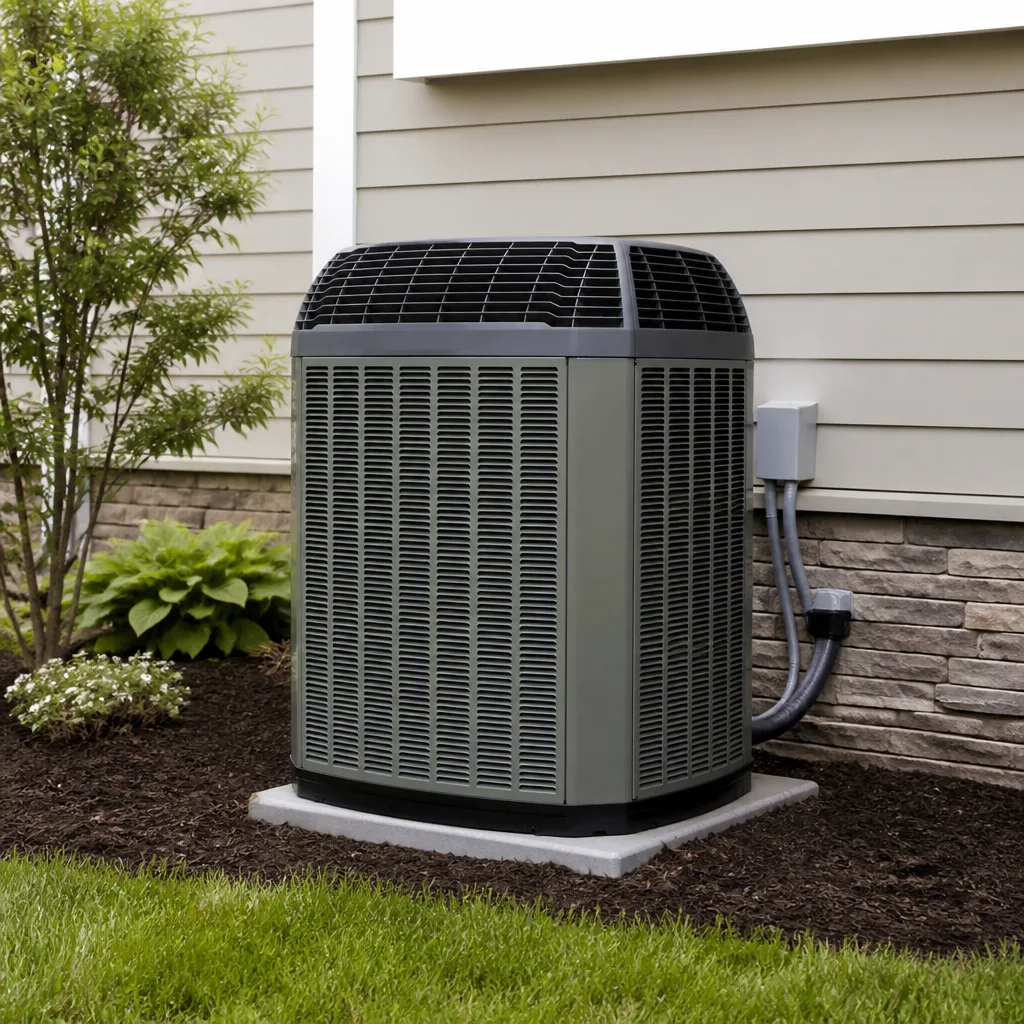 Trane
Trane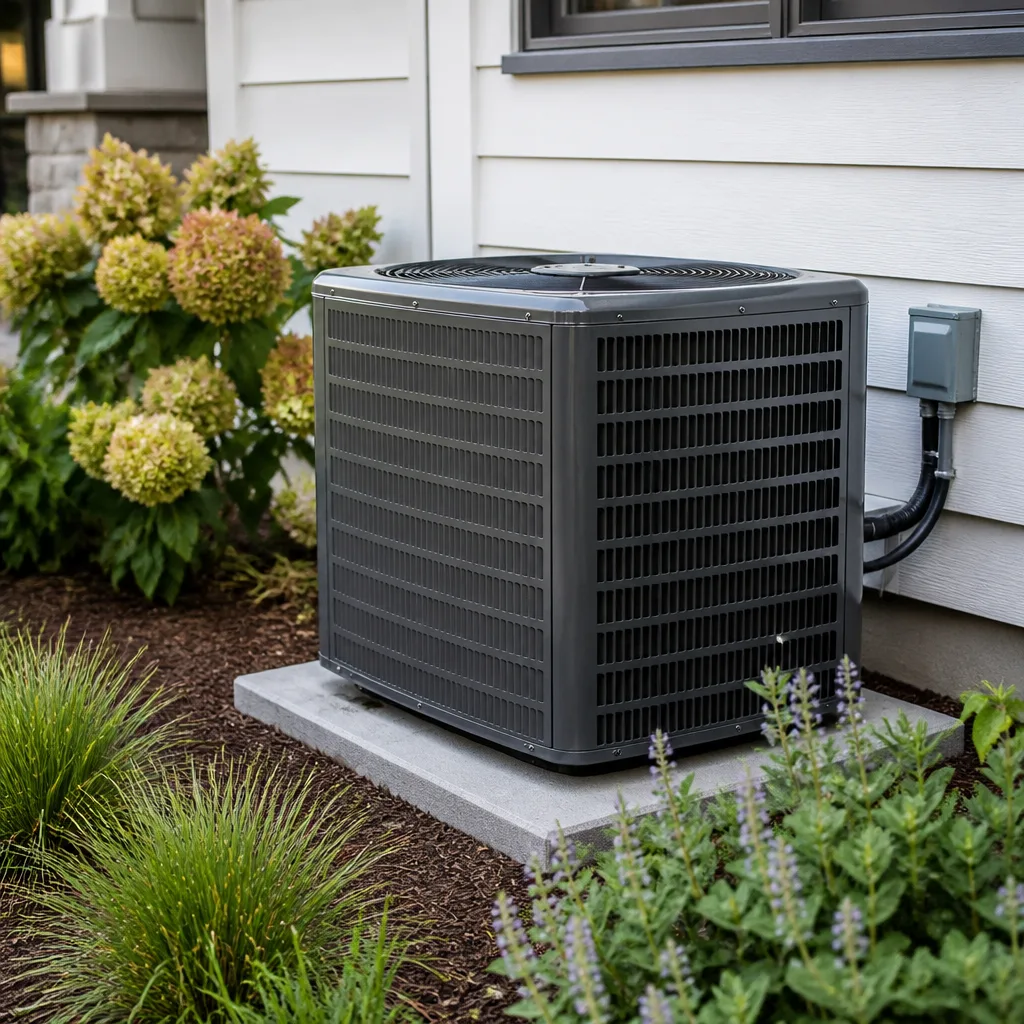 Goodman
Seasonal tune-up and full diagnostic on your Carrier, Trane, or Goodman system - readings shown to you before any repair is proposed
Diagnosis first, numbers second - you approve the repair price before a single part goes in.
Get your free estimateAC Repair Maintenance Checklist for Atlanta Homeowners
Here’s a number that should bother every homeowner in Atlanta: a 2023 ACCA survey found that fewer than 40% of HVAC tune-ups include a refrigerant level check. That means the single most common reason air conditioners die during an Atlanta July, low refrigerant, is being skipped during the spring visit people paid for. This guide is not another generic list of “change your filter” advice-it’s a companion to The Complete Guide to HVAC in Atlanta. It’s a line-by-line checklist you can hand to any technician and ask them to sign off on, so you know exactly what was checked, what the numbers were, and what they mean before you pay the bill.
Styles & brands we work with
Quick Answer
An AC Repair maintenance checklist for Atlanta homeowners should cover six systems: refrigerant levels, electrical components, airflow, condensate drainage, thermostat calibration, and coil condition. In Atlanta’s humidity, the condensate drain line needs treatment every 90 days, not annually. After any tune-up, the technician should hand you a written report with at least four readings: superheat, subcooling, static pressure, and delta-T, and those numbers should fall within ranges that make sense for Atlanta’s ambient conditions. Anything less, and you paid for a filter change, not a tune-up.
Table of Contents
- Why Atlanta’s Climate Changes the Maintenance Math
- The Four Readings You Should Receive in Writing
- When to Schedule Maintenance in Atlanta (Not “Spring and Fall”)
- The Full Line-by-Line Checklist
- How to Check Your Evaporator Coil Yourself
- The $3 Condensate Drain Treatment That Prevents Emergency Calls
- What Filter Replacement Actually Looks Like in Atlanta
- Common Mistakes to Avoid
- When to Call a Professional
- Frequently Asked Questions
- The Bottom Line
Why Atlanta’s Climate Changes the Maintenance Math
Atlanta is not Phoenix and it’s not Minneapolis. We sit in a humid subtropical zone, which means our AC units run hard from May through September while pulling gallons of moisture out of the air every single day. A unit in a dry climate mostly cools the air. A unit in Atlanta cools the air and dehumidifies it, and dehumidification is what fills a condensate drain line with water, promotes algae growth, and rusts out drain pans faster than anywhere else in the country except the Gulf Coast.
That humidity means two things for maintenance. First, the condensate drain line needs attention every 90 days during cooling season, not once a year. Second, the evaporator coil, the part that gets cold and pulls moisture from your air, gets dirtier faster here because wet coils collect dust like a magnet. A dirty coil does not just reduce efficiency; it increases the chance of the coil freezing up on the hottest day of the year, which is exactly when you’ll notice it.
We’ve also learned over 20 years of working on AC repair in Atlanta that our pollen season makes things worse. From late March through early May, the air is thick with pine pollen, and if your outdoor condenser unit is anywhere near a tree line, that pollen coats the coil fins and restricts airflow. A restricted outdoor coil means higher head pressure, which means higher electric bills and a shorter compressor life. Atlanta homeowners who skip a spring cleaning of the outdoor unit are paying for it all summer, whether they know it or not.
The other Atlanta-specific factor is the storm season. Summer thunderstorms bring lightning, and lightning kills capacitors and control boards. A visual inspection of the electrical components before storm season catches loose connections and corroded terminals that a voltage surge will find anyway. It’s cheaper to catch a weak capacitor in April than to replace a fried compressor control module in July.
The Four Readings You Should Receive in Writing
Here is the part most checklists skip. After any real tune-up, you should receive a written report, not a verbal summary, that includes four specific numbers. If the technician cannot or will not provide these, you did not get a full service. Here’s what each one is, what it tells you, and what the normal range looks like for Atlanta’s conditions.
Superheat
Superheat measures how much heat the refrigerant has absorbed after it leaves the evaporator coil. It tells the technician whether the right amount of refrigerant is entering the coil. In Atlanta, on a typical 85-degree day, the target superheat at the outdoor unit usually runs between 8 and 14 degrees Fahrenheit. A high superheat reading often means the system is undercharged, a low reading can mean it is overcharged or the metering device is failing. Neither is something you want to ignore.
Subcooling
Subcooling measures how much the refrigerant has cooled below its condensation point after leaving the outdoor coil. It is the other half of the refrigerant picture. For systems with a thermostatic expansion valve, which covers most modern Carrier, Lennox, and Trane residential units in Atlanta, the target subcooling is typically 10 to 15 degrees Fahrenheit on a summer day. If a technician tells you the freon “looks fine” but can’t give you a subcooling number, they didn’t measure it.
Static Pressure
Static pressure is the resistance to airflow through your ductwork, measured in inches of water column. This is the single most overlooked reading in residential HVAC, and it directly affects how hard your blower motor works and how long your air handler lasts. A normal total external static pressure for a residential system is 0.5 inches of water column or less. Above 0.7, your system is struggling, and above 0.9, you are actively shortening the life of your blower motor. Atlanta homes with undersized or dirty ductwork routinely test above 0.7, and the homeowner never knows because nobody ever measures it.
Delta-T
Delta-T is the temperature difference between the air entering your return grille and the air leaving your supply registers. It is the simplest measure of whether your AC is actually doing its job. For most Atlanta homes, a properly charged and clean system will show a delta-T of 15 to 20 degrees Fahrenheit. Less than 15 means the system is underperforming, dueto low refrigerant, dirty coils, or duct leakage. More than 22 can mean low airflow, which freezes coils and burns out blowers.
Every one of these numbers should be on the written report you receive before you pay. At Cold Harbour Heating and Air Atlanta home, we write all four on every tune-up summary, along with the outdoor temperature at the time of the test, because the reading only means something in context.
When to Schedule Maintenance in Atlanta (Not “Spring and Fall”)
The generic advice is “spring and fall,” but that advice was written for the whole country and it fails Atlanta homeowners in a specific way. Here’s the reality of the Atlanta HVAC market: every contractor gets slammed the same two weeks in late March and the same two weeks in late September. If you schedule in those windows, you are competing for the busiest slots, you’ll get less time from the technician, and you’ll probably pay a premium if you can even get on the calendar.
The better approach for Atlanta is to use these windows instead:
- Late February to early March: Contractors are slow, the weather is mild, and you get the pick of appointment times. By the time the first heat wave hits in May, your system is already checked, cleaned, and charged.
- Mid-October to early November: After cooling season ends but before heating demand starts. Technicians are not rushed, and any repairs found during the cooling season are still fresh in the system’s history.
- Avoid late March and late April: That’s pollen season and the spring rush. Outdoor coil cleanings done in late February stay cleaner through the worst of the pollen than cleanings done in April.
- Avoid July and August: Only for emergency repairs. Tune-ups during peak heat cost more, take longer to schedule, and a technician working 14-hour days in an Atlanta attic is not doing their most careful work.
If your schedule forces you into a peak window, book it anyway. A rushed tune-up in April is better than a dead compressor in July. But if you have flexibility, the shoulder seasons save you money and get you better service. That’s also when you’ll have the easiest time getting a written estimate for any repairs the tune-up turns up, before the emergency queue starts filling up.
The Full Line-by-Line Checklist
Here is the checklist itself. Print it, bring it to every service visit, and ask the technician to initial each line. Any technician who balks at signing a checklist is telling you something about how they work. The list covers everything a complete Atlanta AC maintenance visit should include, and the order follows the way air moves through your system, from return to supply.
- Return air filter: checked or replaced. Note the MERV rating installed and the date. If the technician says your filter is fine but it looks gray, ask them to show you which side the light still shines through.
- Return grille: inspected and cleaned. Atlanta homes collect dust and pet hair on return grilles faster than most. A clogged grille is a de facto airflow restriction, and it takes 30 seconds to clean.
- Blower wheel: inspected and cleaned as needed. A dirty blower wheel can cut airflow by 20% or more. This is a common miss on cheap tune-ups because it takes time to pull the blower housing.
- Evaporator coil: inspected through an access panel. The technician should be able to show you the coil. If it looks like wet gray lint, it needs cleaning. If the tech never opens the panel, they did not inspect the coil.
- Condensate drain line: flushed and treated. More on this below, but for Atlanta, every visit should include a flush and a treatment tablet or vinegar flush, not just a visual check.
- Condensate drain pan: inspected for rust and cracks. A cracked plastic pan is a slow water leak waiting to damage a ceiling. In Atlanta’s humidity, pans fill faster and rust quicker than in drier climates.
- Drain safety switch: tested. This is the little float switch that shuts your system off if the drain backs up. It should be tested by actually filling the pan or lifting the float, not just visually confirmed to exist.
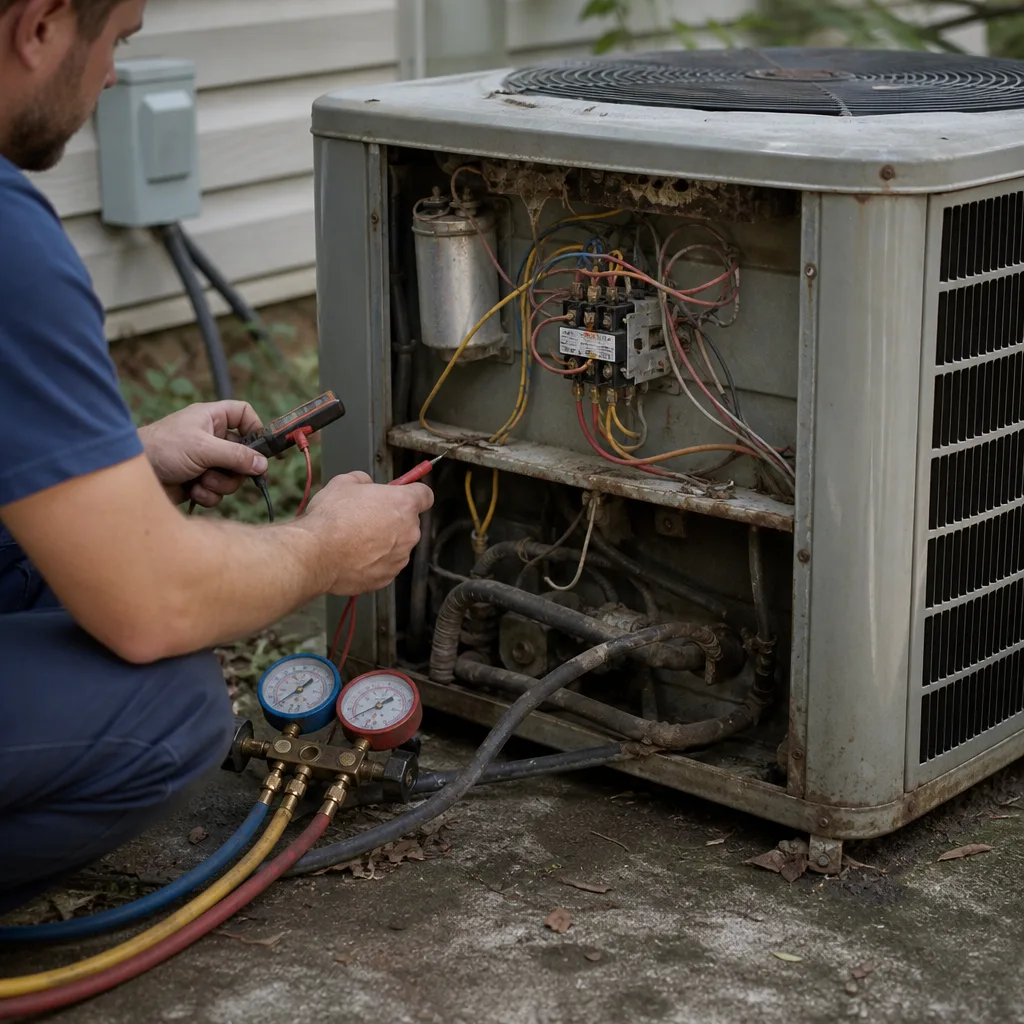
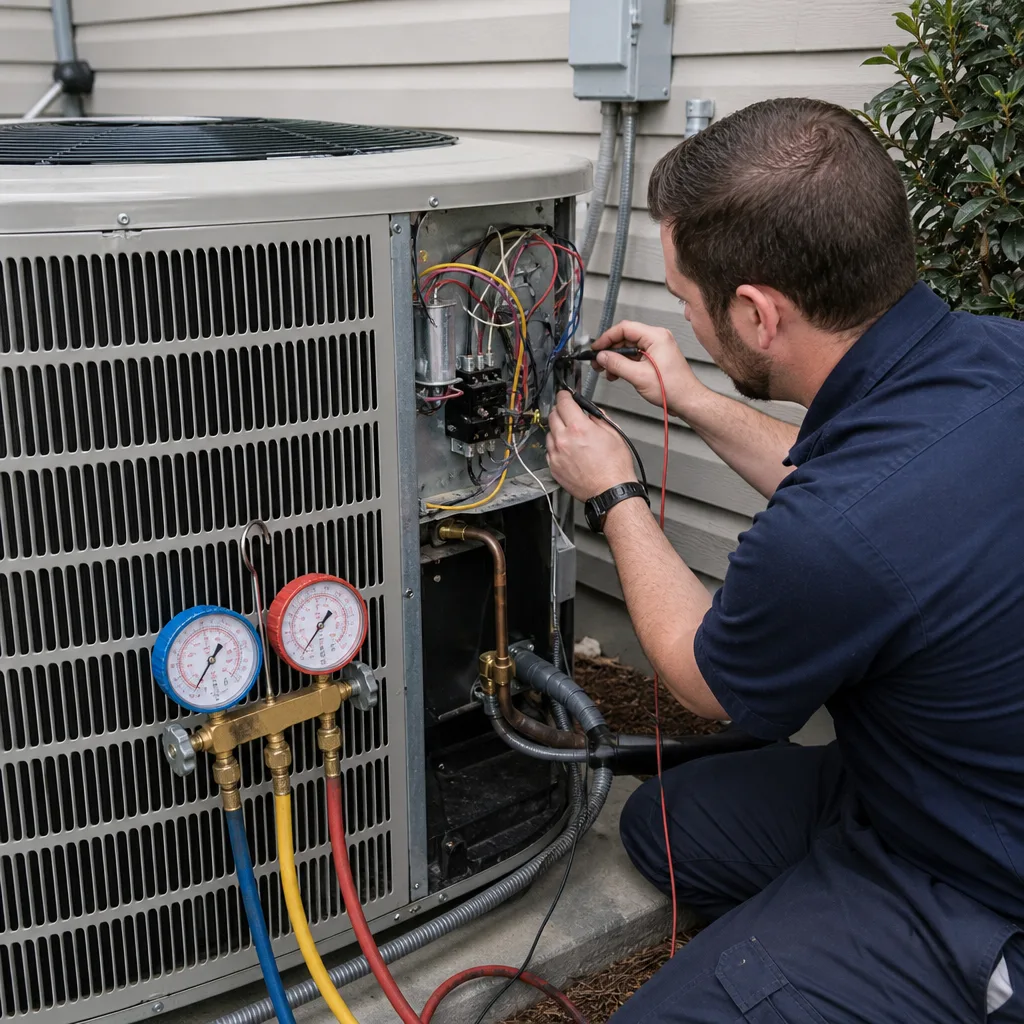
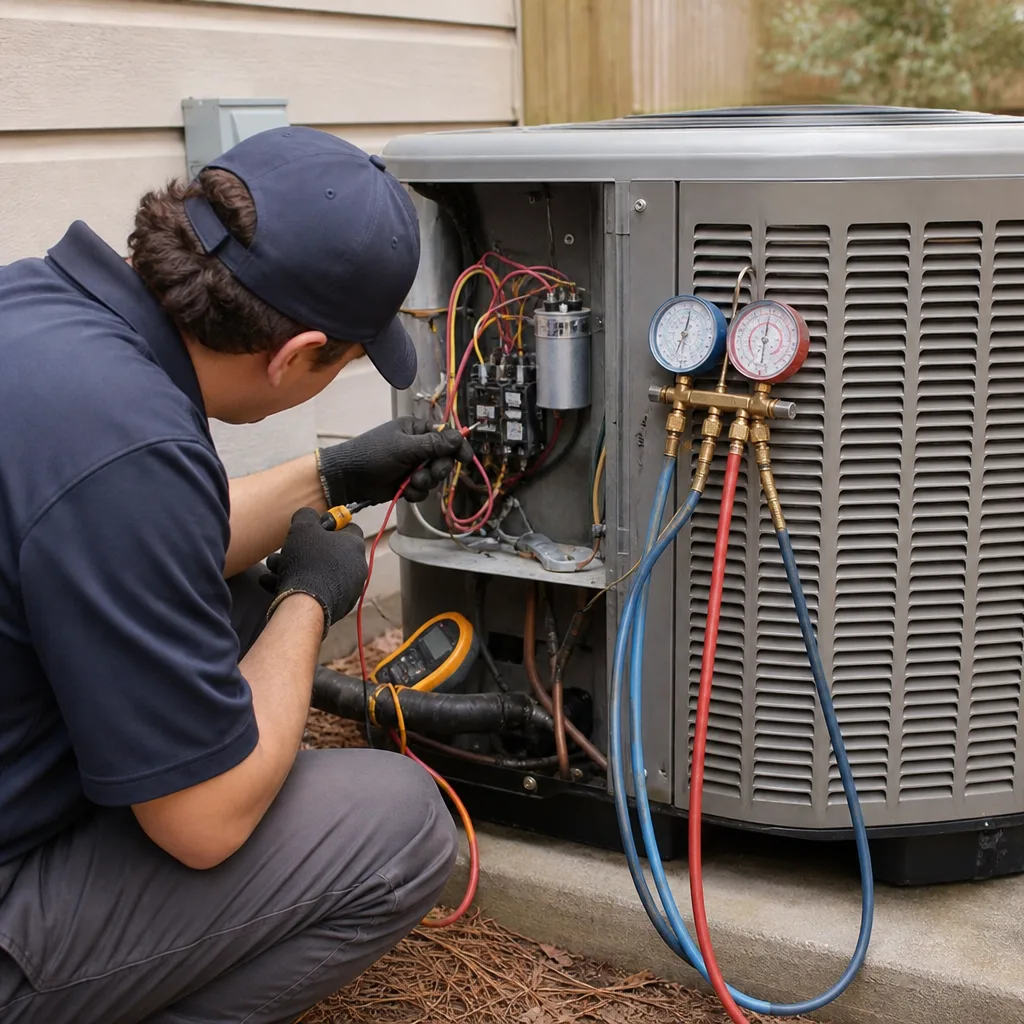
- Refrigerant charge: measured with gauge manifold. This is where superheat and subcooling get measured. If the tech doesn’t attach gauges, they cannot possibly know your charge is correct, regardless of what any checklist says.
- Outdoor condenser coil: inspected and cleaned. In Atlanta, this means removing the outer grille and cleaning from the inside out, not just hosing the outside. Pollen and cottonwood debris pack between the fins where a surface rinse can’t reach.
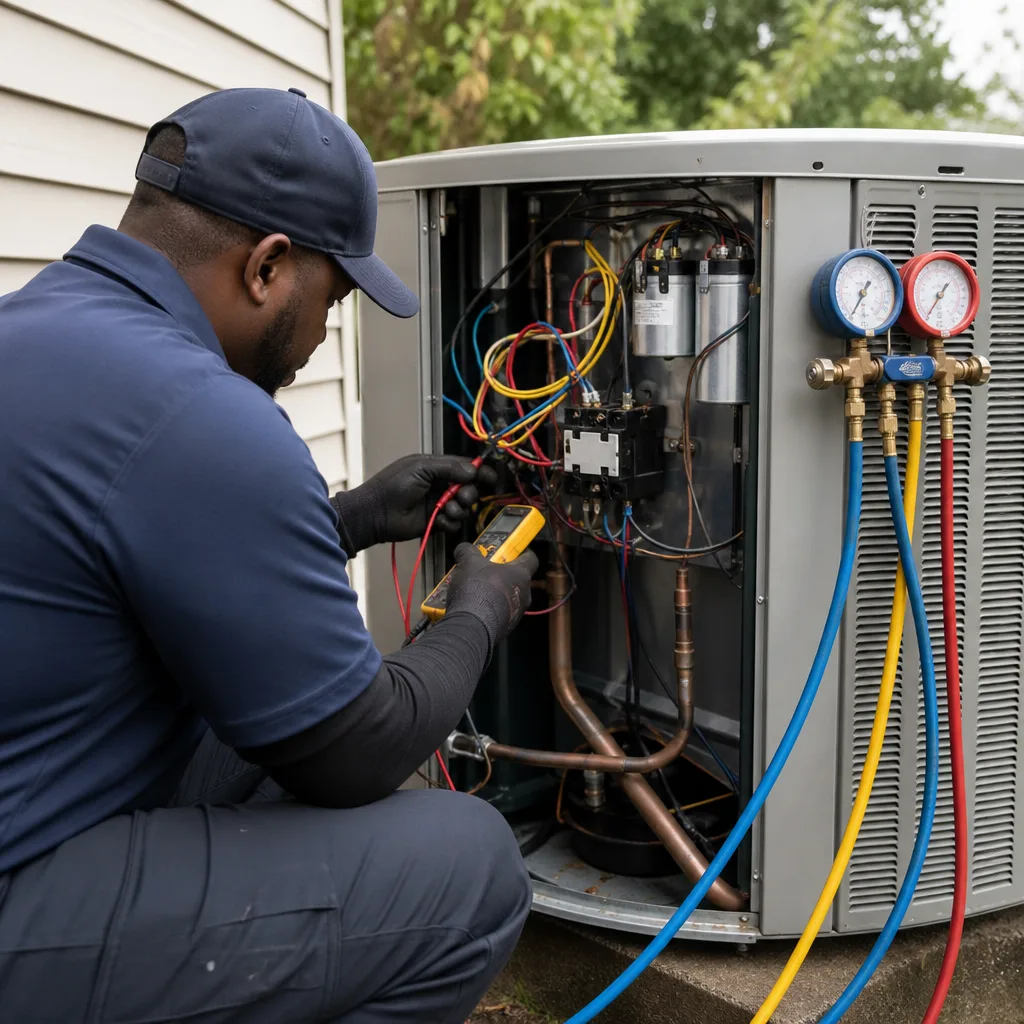
- Outdoor electrical: capacitor, contactor, and wiring inspected. A weak capacitor is the most common cause of a compressor that won’t start. In Atlanta, where summer thunderstorms routinely knock out power and cause surges, the capacitor takes the hit. Testing it means measuring microfarad readings against the rating on the label.
- Compressor: amperage draw measured. The starting amp draw and running amp draw tell the technician whether the compressor motor is working harder than it should. A compressor pulling high amps is on borrowed time.
- Thermostat: calibrated against a second thermometer. This takes two minutes and the tech should do it. A thermostat reading two degrees off is costing you comfort and money every day.
- Supply registers: airflow measured at each register. At minimum, the tech should measure airflow at the register closest to and farthest from the air handler. If those numbers are wildly different, you have a duct problem.
- Delta-T measured and recorded. As covered above, if it’s not 15 to 20 degrees on a typical Atlanta summer day, something is wrong and the tech needs to explain what.
- Written report provided. If you walk away with no paper, you did not get a proper tune-up. The report should include all readings, the outdoor temperature, the indoor temperature, and what was done, not just what was looked at.
That is the standard every Atlanta homeowner should expect. It’s also the standard we work to on every furnace repair in Atlanta visit and every AC tune-up, because a checklist you can’t verify is a checklist that doesn’t protect you.
How to Check Your Evaporator Coil Yourself
You don’t need a technician to tell you when your evaporator coil is dirty. You need a flashlight, a screwdriver, and about ten minutes. Here’s what to do and what to look for.
First, find your air handler. In most Atlanta homes, it’s in the attic, a closet, or the basement. Turn off the system at the thermostat and at the breaker, because you’re about to open a panel that exposes electrical connections and the coil itself. Remove the access panel covering the coil. On most residential systems, it’s the panel on the side of the air handler where the refrigerant lines enter, held on by a few sheet metal screws.
Shine your flashlight into the coil. Here’s what you’re looking for:
- A uniform metallic or sky-blue surface. A clean aluminum coil looks like tightly packed, evenly spaced fins. You should be able to see light reflecting off the metal between the fins.
- Gray, felt-like buildup. That’s dust and lint stuck to the wet coil surface. In Atlanta’s humid summers, the coil is almost always wet, so anything in your air sticks to it. A light dusting is normal. A solid gray blanket is not.
- Mold spots or black speckling. The evaporator coil is a dark, damp environment, and Atlanta’s humidity makes it a perfect place for microbial growth. Black spots mean the coil needs professional cleaning, not just a visual check.
- Ice or frost. If you see ice, something is already wrong, usually low airflow or low refrigerant. Don’t run the system with a frozen coil; you’ll damage the compressor. Turn it off and call for service.
If the coil looks clean, put the panel back and be glad. If it looks like a gray carpet, you’ve just found the reason your system runs constantly and your house still feels humid. Coil cleaning is not a DIY job for most homeowners because the coil fins are fragile and the cleaning chemicals are harsh, but catching the problem early means you can schedule a cleaning before peak season, not as an emergency.
The $3 Condensate Drain Treatment That Prevents Emergency Calls
Here is the most useful piece of information in this guide for an Atlanta homeowner. Your condensate drain line, the pipe that carries the water your AC pulls from the air, gets clogged with algae and sludge in Atlanta’s humidity faster than almost anywhere else in the country. When it clogs, the water backs up into the drain pan, then onto your ceiling or floor. It’s one of the most common emergency calls we get all summer, and it’s almost entirely preventable.
The fix costs about three dollars and takes five minutes. Buy a bottle of distilled white vinegar. Find your condensate drain line access point. On most Atlanta homes, there’s a PVC pipe coming off the indoor unit with a cap or an open T-fitting, often near the floor or in the attic. Pour a cup of vinegar into that opening once every 90 days during cooling season. That’s it.
Vinegar dissolves the algae and mineral buildup that cause clogs. It’s not corrosive like bleach, which is important because bleach can crack older PVC drain lines over time. It’s not a permanent fix for a line that’s already fully clogged, but as a preventive treatment every 90 days, it dramatically reduces the chance you’ll ever need an emergency drain line call.
The 90-day schedule matters. In Atlanta, cooling season runs roughly April through October, and your AC is pulling moisture out of the air the entire time. That’s seven months of continuous condensation, which is 210 days of algae-growing conditions. A once-a-year drain flush leaves you unprotected for more than half that window. Every 90 days means you treat the line in April, July, and October, and the July treatment is the one that saves you, because that’s when runoff from early summer storms and the strongest humidity of the year create peak clog conditions.
If you’ve never done this and you don’t know where your drain line access is, ask the technician to show you during your next tune-up. Any honest tech will take 30 seconds to point it out, because they’d rather show you a $3 prevention than come back for a $300 emergency call on a Sunday in August.
What Filter Replacement Actually Looks Like in Atlanta
Every maintenance checklist ever written starts with “change your filter,” and none of them explain what that means in Atlanta, so here it is. The standard advice is every 30 to 90 days. For most Atlanta homes, the real answer is every 30 to 45 days during cooling season and every 60 to 90 days in the off-season. The reason is the same humidity we’ve been talking about: your filter is also catching moisture along with dust, and a damp filter with Atlanta’s pollen load becomes restrictive faster than a dry one in Colorado ever would.
Here’s how to know if your filter is due without peeling the packaging apart. Pull it out and hold it up to a light. If you can comfortably see the shape of the light fixture through the filter medium, it’s still doing its job. If the filter looks like a gray wall and you can barely see light through it, it’s done. That test works for any MERV rating, any brand of filter, and any home in Atlanta.
One more Atlanta-specific note: if you have pets, cut the interval in half. Pet dander is heavier than household dust and it loads a filter fast. A home with two dogs and a cat in Buckhead or Decatur should plan on a filter change every three weeks during peak cooling season. It’s a $15 habit that protects a $5,000 system.
And while we’re on the subject, don’t buy a filter with a MERV rating higher than your system is designed for. A MERV 13 filter from the big box store sounds like an upgrade, but if your blower can’t push air through it, you’ve just restricted airflow by design. Most residential systems are built for MERV 8 to MERV 11. Anything higher and you’re trading air quality for airflow, and in Atlanta, airflow is what keeps your coil from freezing.
Common Mistakes to Avoid
- Paying for “just a quick checkup” without written numbers. If the invoice says “inspected system” and lists no readings, you paid for a look, not a tune-up. A real maintenance visit produces a written report with superheat, subcooling, static pressure, and delta-T at minimum.
- Ignoring the outdoor unit because “it’s outside.” Your condenser coil is exposed to Atlanta pollen, cottonwood, construction dust, and lawn clippings all season. A blocked outdoor coil is the leading cause of compressor overheating in July, and it’s visible from ten feet away if you bother to look.
- Treating the condensate line as an annual chore. Atlanta’s humidity makes the drain line a quarterly chore. Waiting 12 months between flushes is gambling with your ceiling, and the house always loses.
- Replacing a filter with the highest MERV rating on the shelf. More filtration is not always better. A filter that’s too restrictive for your blower will freeze your coil and shorten your compressor’s life, and you won’t know it until the system fails.
- Waiting for the first heat wave to schedule maintenance. By the time Atlanta hits 90 degrees in May, every contractor in the metro area is booked solid. The best tune-ups happen in February and October, when the tech has time to be thorough.
- Not asking for the readings. A technician who takes no measurements cannot know your refrigerant charge is correct, no matter how confident they sound. The gauges are in the truck for a reason. If they never come out, the job wasn’t done.
When to Call a Professional
Some things are worth trying yourself: the vinegar drain treatment, the filter check, the flashlight coil inspection. Other things are not worth the risk of getting wrong. If your compressor is short cycling, meaning it starts and stops every few minutes, that’s an electrical or refrigerant problem and running it more will only make the repair more expensive. If you see ice anywhere on the refrigerant lines, turn the system off and call; a frozen coil can destroy a compressor in a single afternoon. If your breaker trips and then trips again after you reset it, the system is drawing dangerous current and needs attention before you touch it again. If you hear grinding, squealing, or any sound you’ve never heard before, don’t wait to see if it goes away. Cold Harbour Heating and Air Atlanta offers free estimates in Atlanta, call (478) 223-8776 and we’ll tell you what’s wrong and what it costs to fix before you commit to anything.
Frequently Asked Questions
Once a year is the minimum, but in Atlanta’s climate, twice a year is ideal: once in late winter before cooling season starts and once in mid-fall before heating season. The second visit catches problems that developed during the hardest working months of the year.
A complete tune-up in Atlanta typically runs $89 to $180, depending on the company and the depth of the visit. A tune-up that includes static pressure testing, superheat and subcooling measurement, and a written report with those numbers will run at the higher end and is generally worth it. A $49 special that consists of a filter change and a quick glance is not a tune-up.
Ask to see the gauge readings. The technician should be able to show you the superheat and subcooling numbers, and the numbers should be written on your service report. If there are no gauges and no numbers, refrigerant was not checked, no matter what the invoice says.
Atlanta’s humidity forces your AC to pull gallons of water out of the air every day, and that water carries dust, skin cells, and organic matter into the drain line where algae grows. The constant moisture plus warm temperatures creates an ideal environment for clogs, which is why quarterly vinegar treatments are the best prevention.
The outdoor condenser coil can be rinsed with a garden hose after turning off the power, but the evaporator coil inside the air handler should be left to a professional. The fins are easily bent and the cleaning chemicals are harsh, and in an Atlanta attic in summer, it’s not a job most homeowners want to attempt anyway.
A properly maintained unit in Atlanta typically lasts 12 to 15 years. The two factors that shorten that the most are refrigerant leaks left unrepaired and restricted airflow from dirty coils and filters. Both force the compressor to work hotter than it should, and heat is what kills compressors.
For any of these questions, call (478) 223-8776 for a straight answer, a free estimate, and no pressure.
The Bottom Line
Atlanta’s climate is harder on air conditioners than most of the country, and the standard maintenance advice was not written for us. Your AC is dehumidifying around the clock, collecting pollen, and moving air through ductwork that may have been installed decades ago. The checklist above gives you the power to verify that the money you spend on maintenance actually buys something, and you’ll find more guides & resources on our blog to keep your system running. Demand the four readings. Treat the drain line every 90 days. Check the coil with a flashlight once a year. Schedule in the off-season. The homeowners who do these things are the ones whose systems survive July without a single emergency call. The ones who don’t are the ones we hear from at 2 a.m., and we’d rather help you avoid that entirely.
For AC installation in Atlanta, or any repair or maintenance need, call the Cold Harbour Heating and Air Atlanta home team at (478) 223-8776. We answer the phone with a live person, any time, any day.
Written by Victor Mancini, Owner at Cold Harbour Heating and Air Atlanta, serving Atlanta since 2003.
See the difference
 Before
 After
After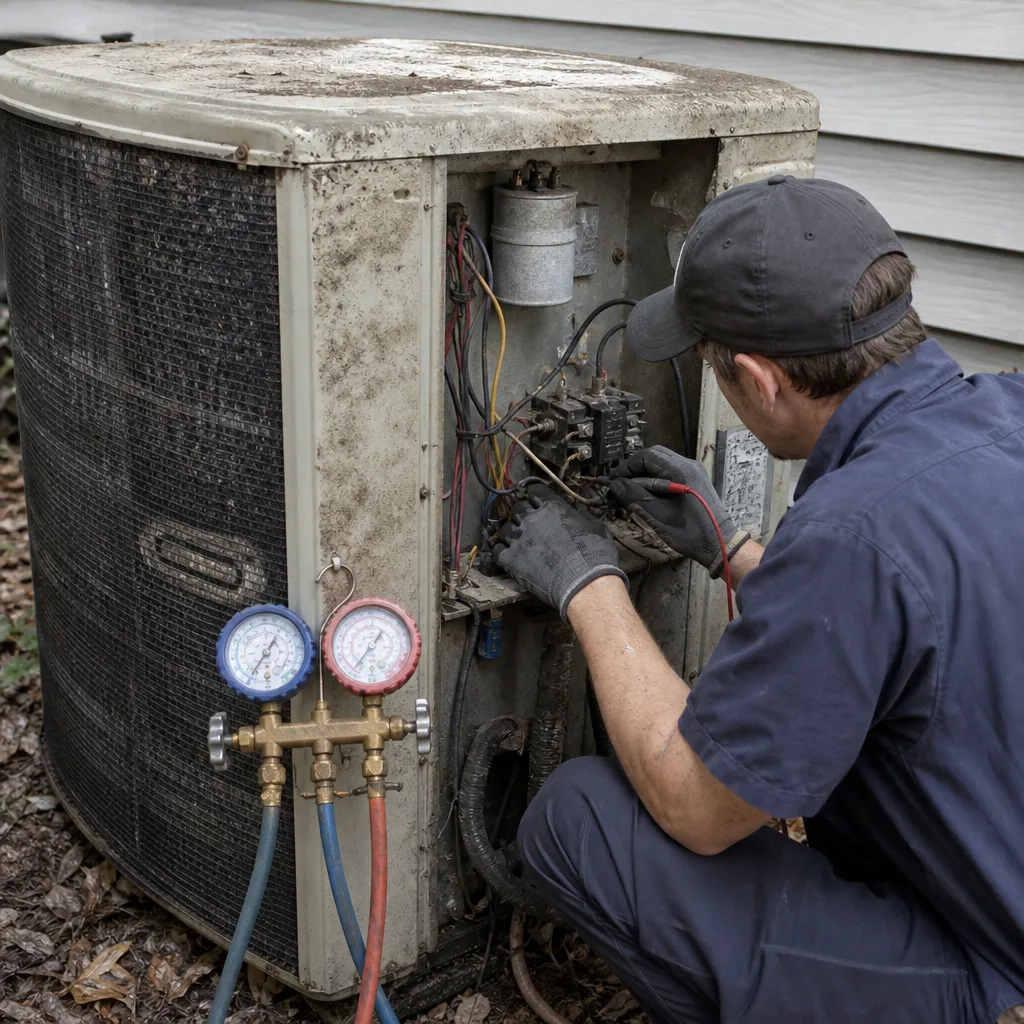 Before
 After
After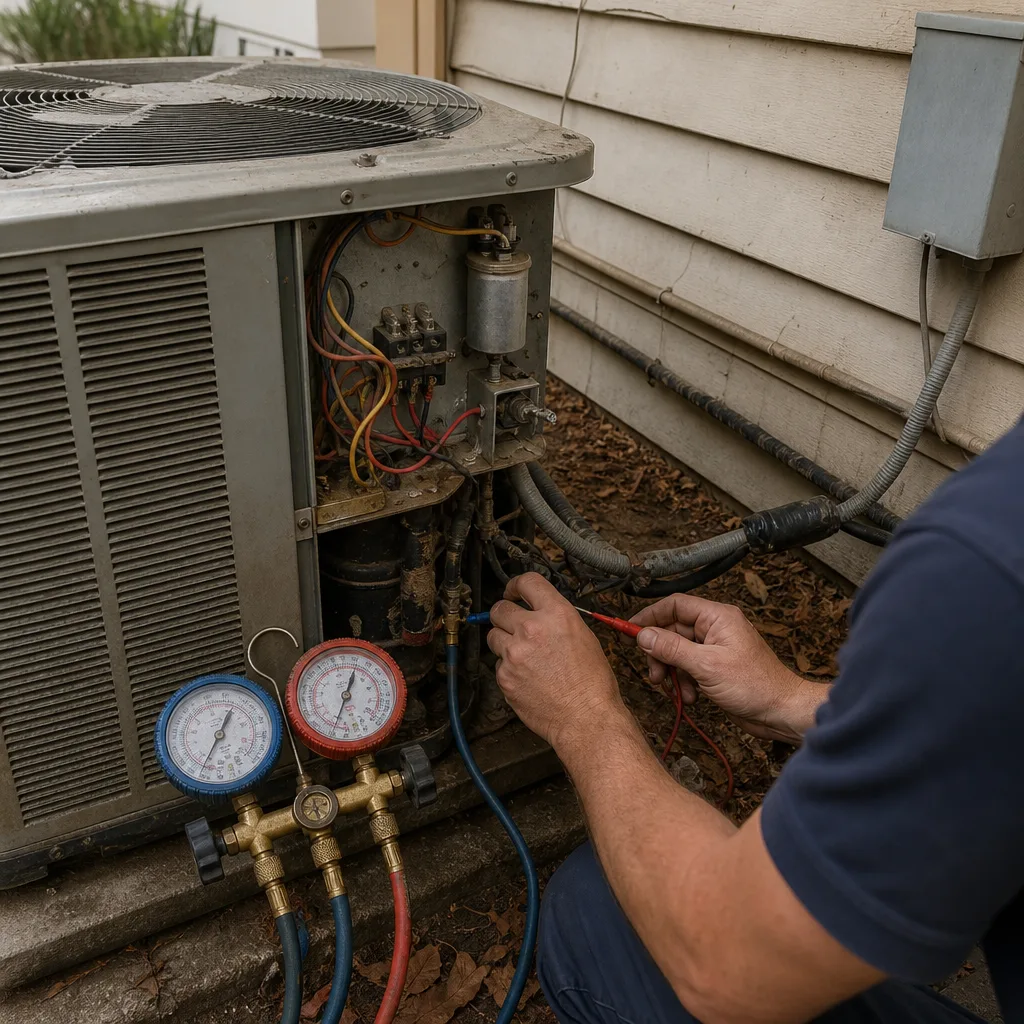 Before
 After
After