
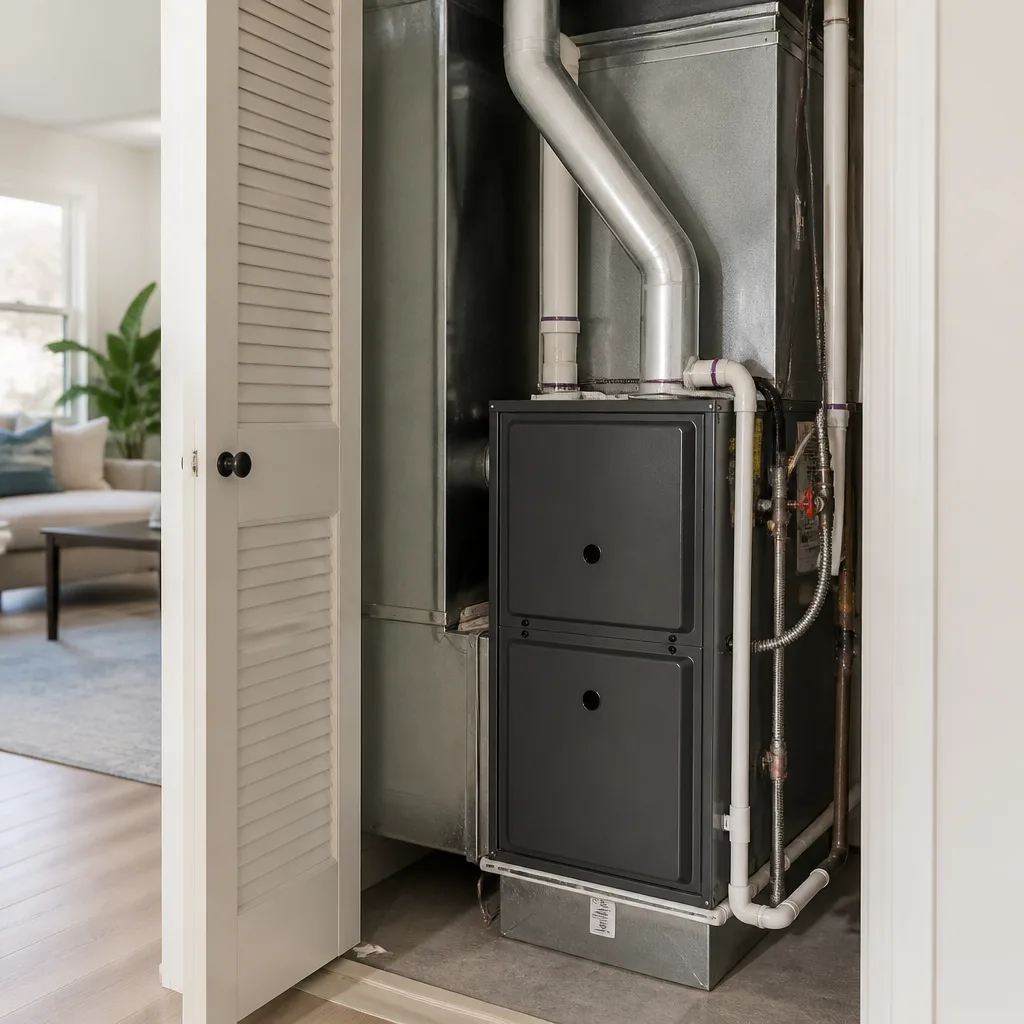
 Furnace & heating
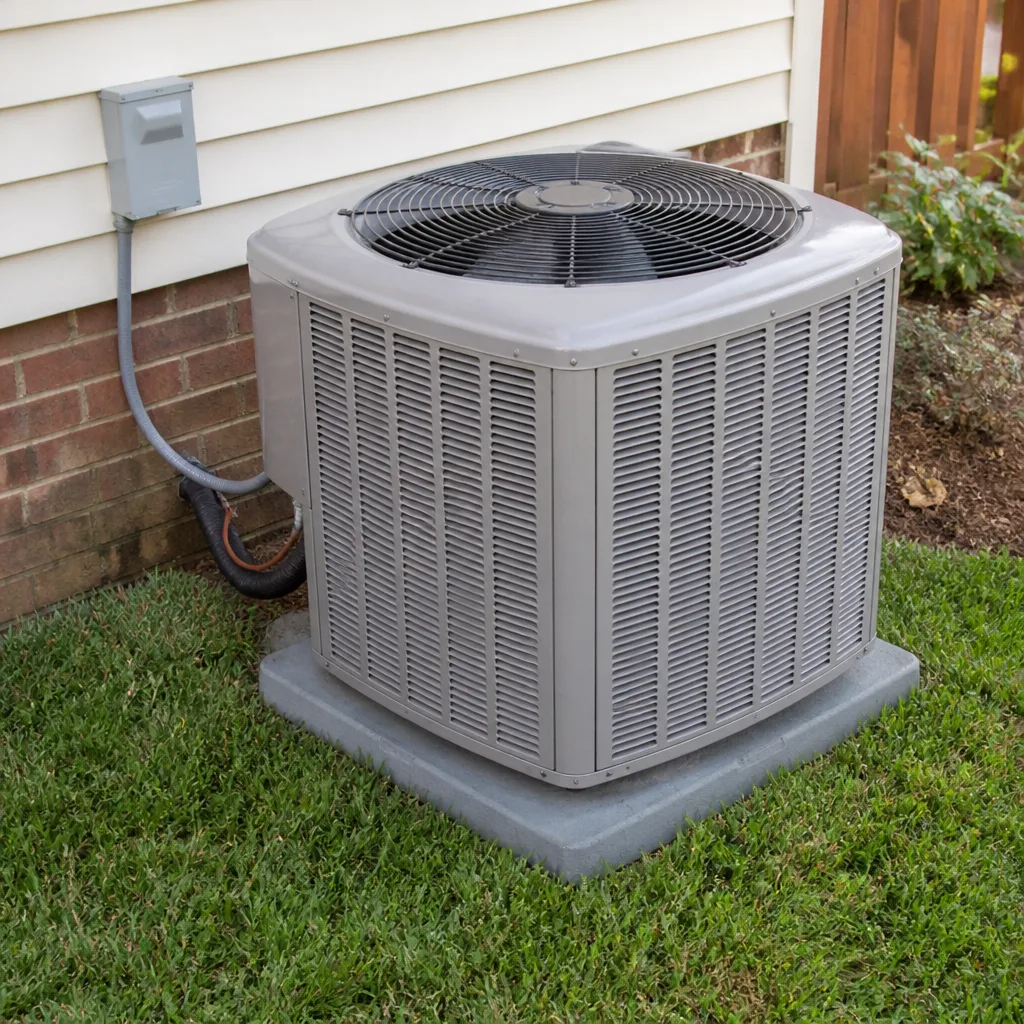 AC repair
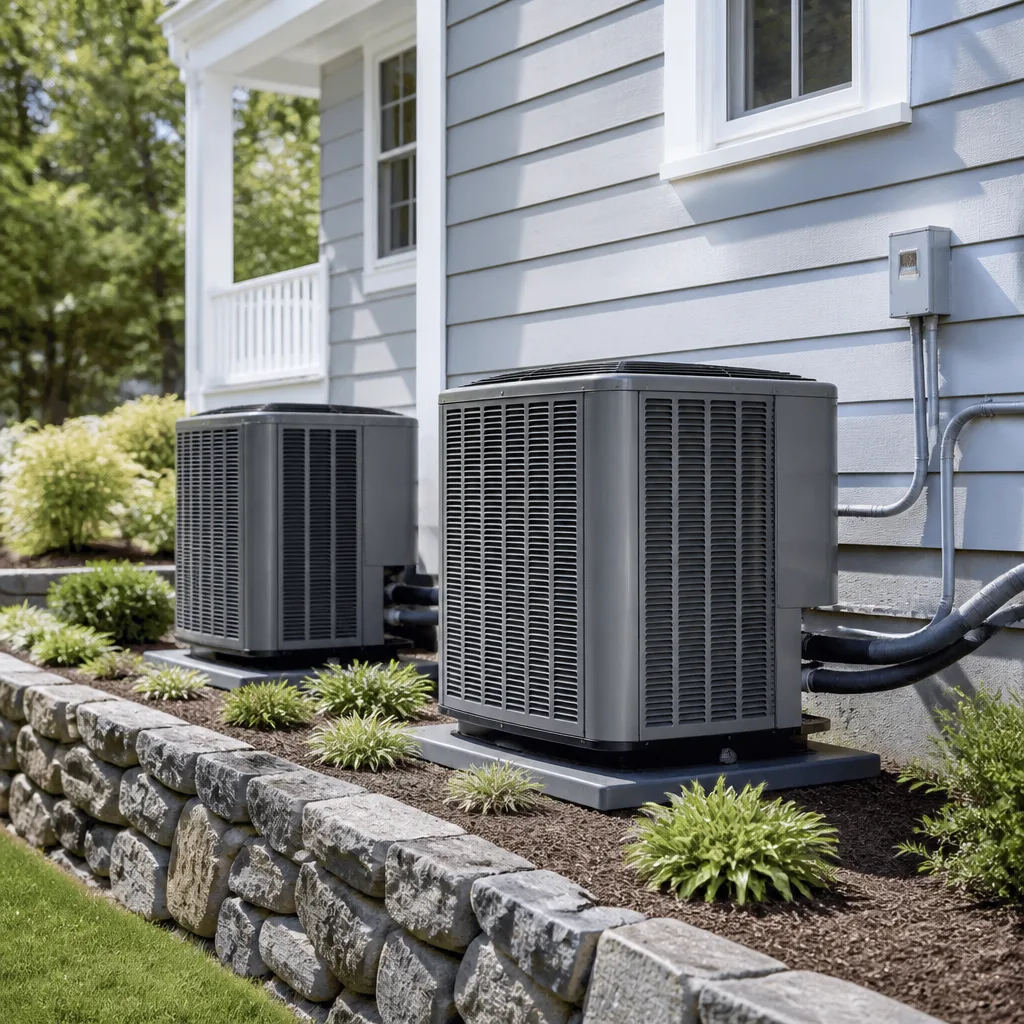 Heat pumps
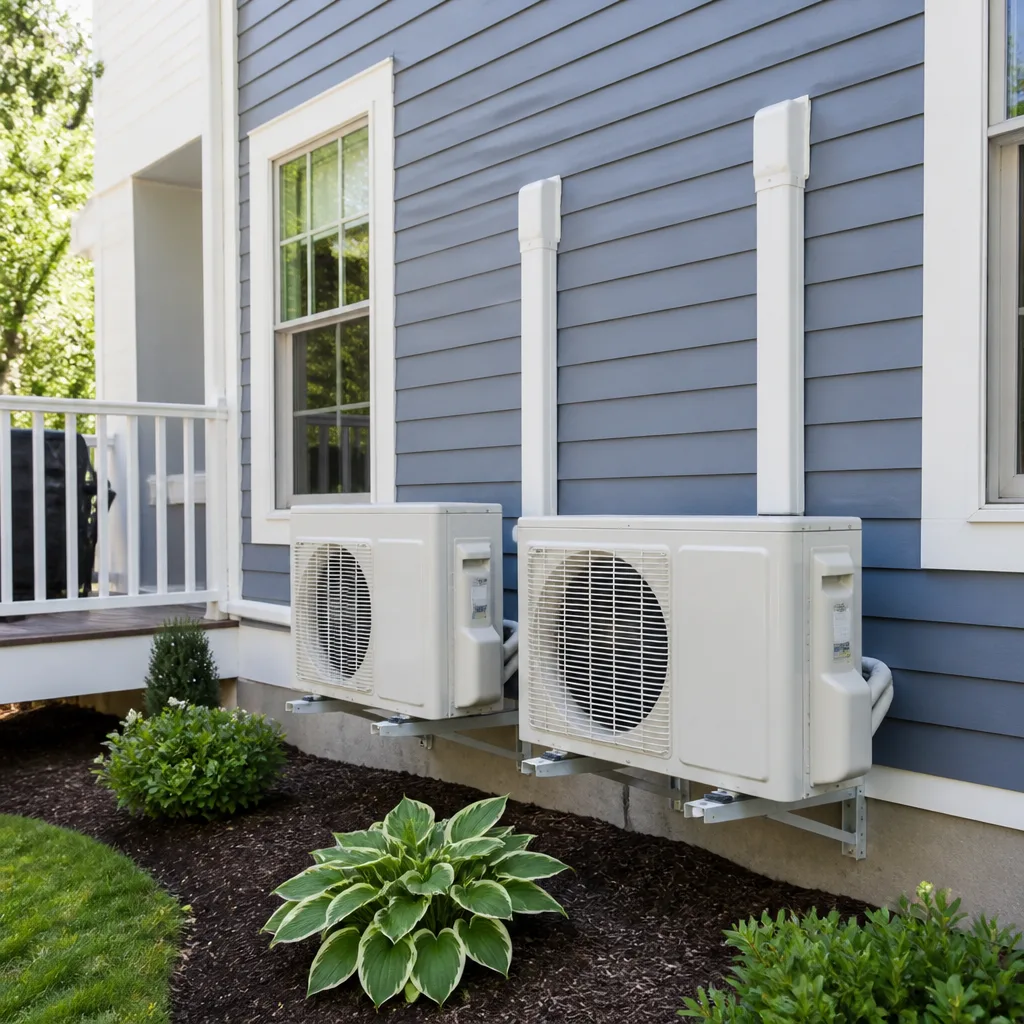 Ductless mini splits
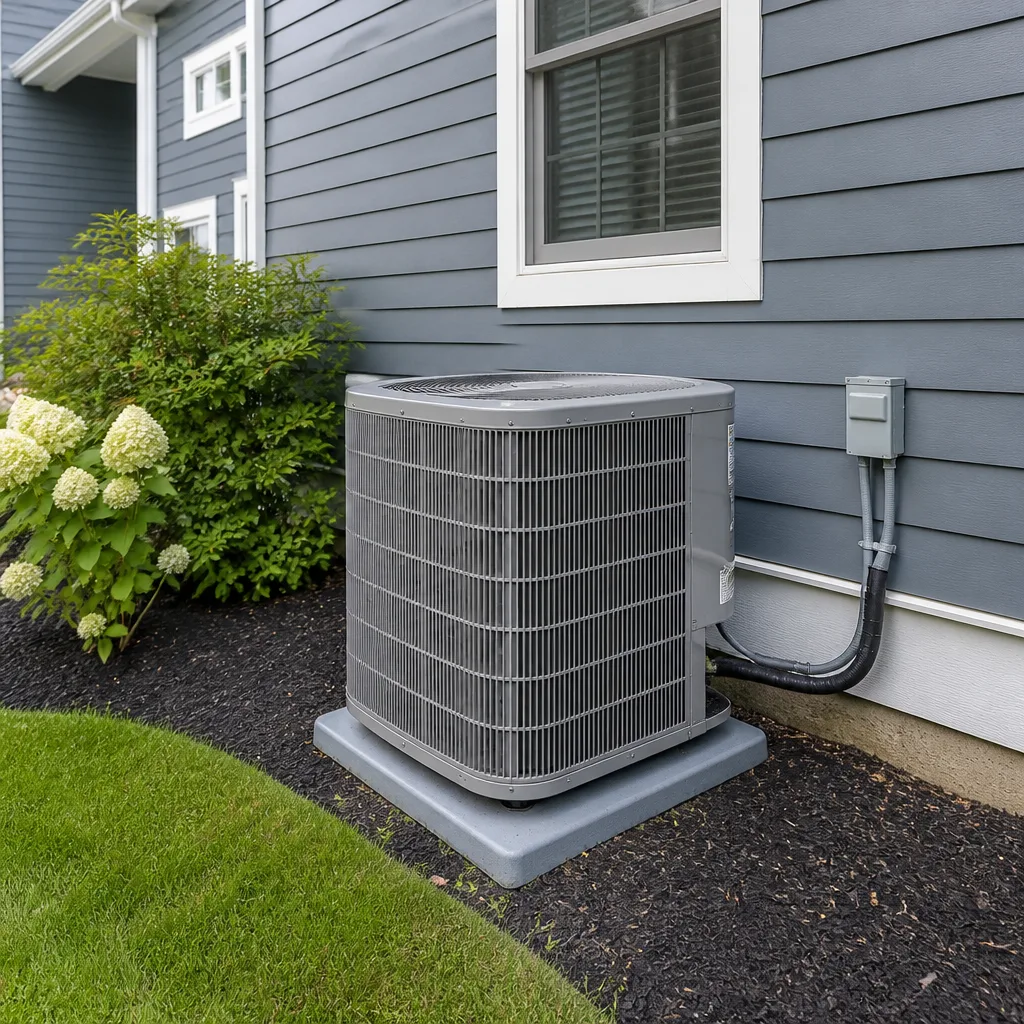 Carrier
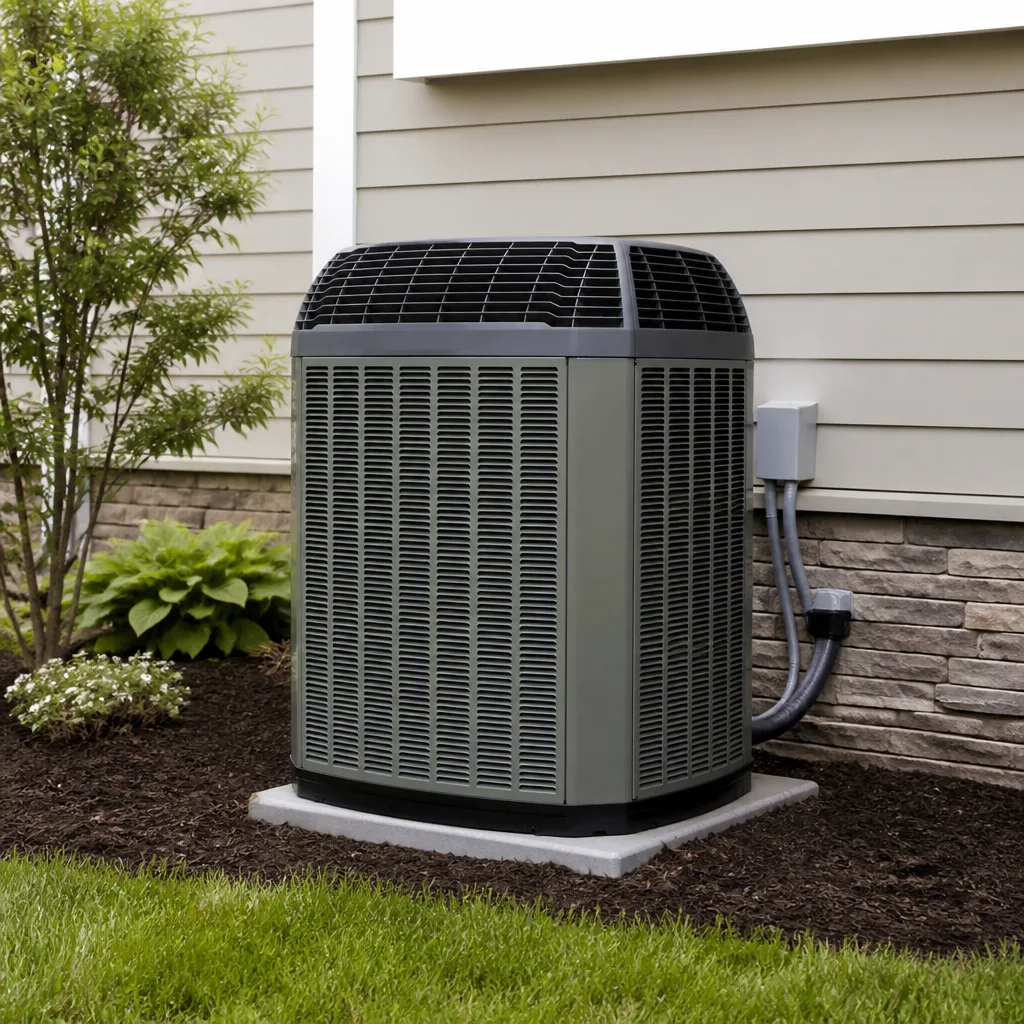 Trane
Trane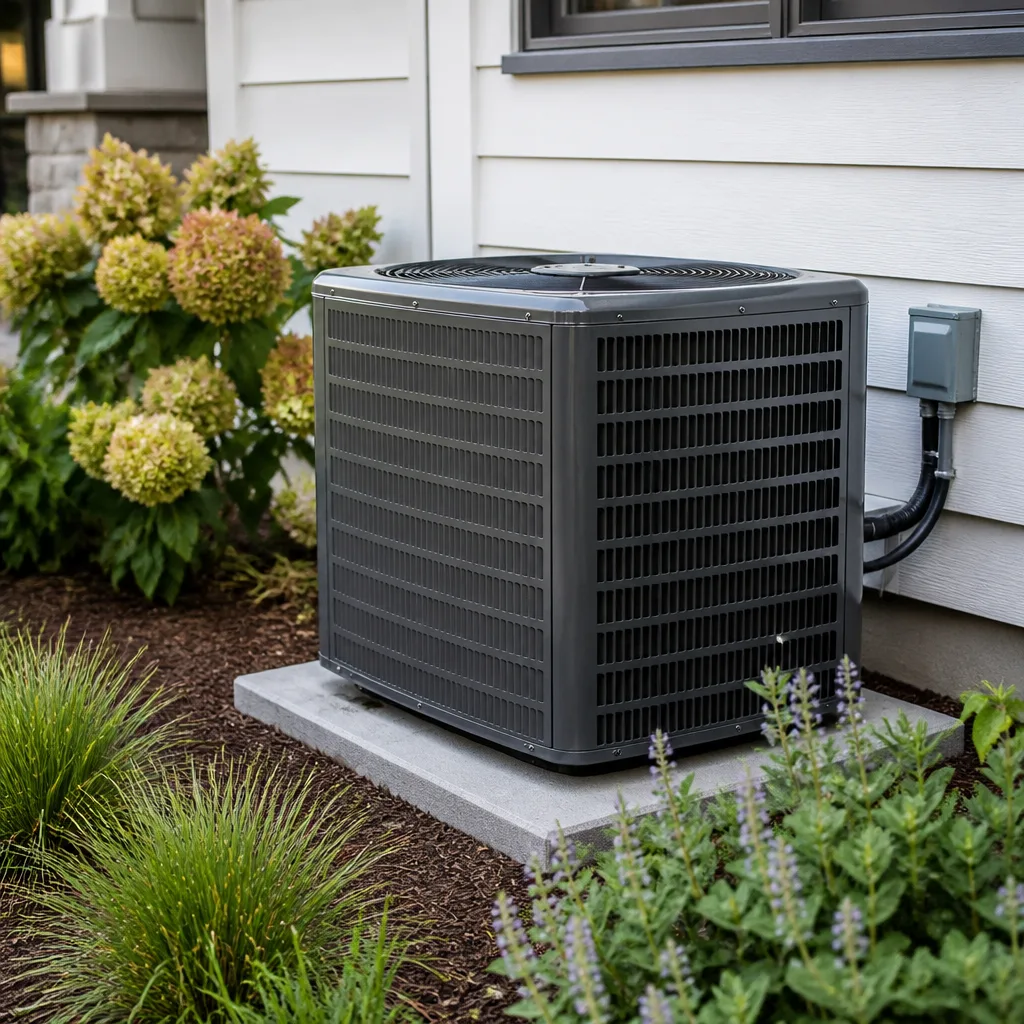 Goodman
Seasonal tune-up and full diagnostic on your Carrier, Trane, or Goodman system - readings shown to you before any repair is proposed
Diagnosis first, numbers second - you approve the repair price before a single part goes in.
Get your free estimateCarrier Thermostat Installation: The Atlanta Owner’s Guide
Carrier thermostat installation in Atlanta typically runs $180 – $420 for a standard model, including the thermostat, mounting, wiring, and system testing. If you’re moving to a smart or Wi-Fi-enabled Carrier thermostat like the ecobee-built Carrier Cor or the Carrier Infinity touchscreen, expect to pay $350 – $650 installed. We usually complete the job in under two hours, and our trucks carry several Carrier-compatible models so most Atlanta homeowners get same-day or next-day installation without waiting on a parts order.
The way most people find out their thermostat has failed is quiet, not dramatic. The house feels a few degrees off. The heat pump short-cycles, clicking on and off four or five times an hour. Or the display goes dim in the middle of an Atlanta summer afternoon when the humidity is already making the windows sweat. By the time we get the call, the homeowner has usually been fighting the settings for a week. With a Carrier system, the thermostat isn’t just a switch. It’s the brain that tells the variable-speed blower how hard to work and the compressor when to stage up. When it starts misreading temperatures, your system burns more energy and runs harder than it should.
Which Carrier Models This Applies To
We install and calibrate thermostats for the full Carrier residential lineup: the Infinity series (with its proprietary ABCD communicating protocol), the Performance series, the Comfort series, and older legacy single-stage units still running around Atlanta’s 1970s and 1980s neighborhoods like Morningside and Cascade Heights. Here’s the compatibility gotcha most people don’t know until they’re standing in a big-box aisle: a Carrier Infinity system will not run properly on a generic thermostat. Infinity systems use a four-wire digital bus that talks Carrier’s own language. Slap a standard Honeywell on it and the variable-speed features shut down. The compressor still blows cold, but you’ve just de-tuned a Mercedes so it drives like a Camry. If you have an Infinity, the thermostat must be an Infinity-compatible model. Period.
For Performance and Comfort series systems, the picture is more forgiving. Those use conventional 24-volt wiring, and we can pair them with a Carrier-branded thermostat, a Carrier Cor (built on the ecobee platform), or a quality aftermarket unit. Our honest recommendation: if your system is a communicating Infinity, stay with Carrier OEM. If it’s a conventional system, you’ve got flexibility, and we’ll give you our read on what’s worth paying for and what isn’t.
Independent note: Cold Harbour Heating and Air Atlanta is an independently owned and operated HVAC company. We are not a Carrier dealer, not a Carrier franchise, and not affiliated with Carrier Corporation. We service Carrier equipment because we know it well, and because Atlanta is full of it.
Styles & brands we work with
Signs Your Carrier Thermostat Installation Is Failing
- Inaccurate temperature readings. The thermostat says 72°F but the room feels like a walk-in. This usually means the internal sensor has drifted out of calibration, a $20 problem that becomes a $400 problem when it’s ignored and the compressor runs overtime for months.
- Short cycling. The system cranks on for four minutes, shuts off, starts again fifteen minutes later. On a Carrier heat pump, this is often a thermostat relay failing to hold the signal. The equipment is fine. The brain is stuttering.
- Blank or frozen display. No backlight, no response to touch, or a screen locked on one number. This can be dead batteries, a failed internal capacitor, or a wiring fault behind the faceplate.
- Settings won’t hold. You set the schedule for 68°F overnight and wake up to find it reverted to 74°F. Memory failure in the thermostat’s board is the usual culprit, and it only gets worse.
- System won’t respond to commands. You call for cool and nothing kicks on at the condenser. Could be the contactor, yes, but when the thermostat fails to send voltage at all, the problem sits at the wall control, not the outside unit.
See the difference
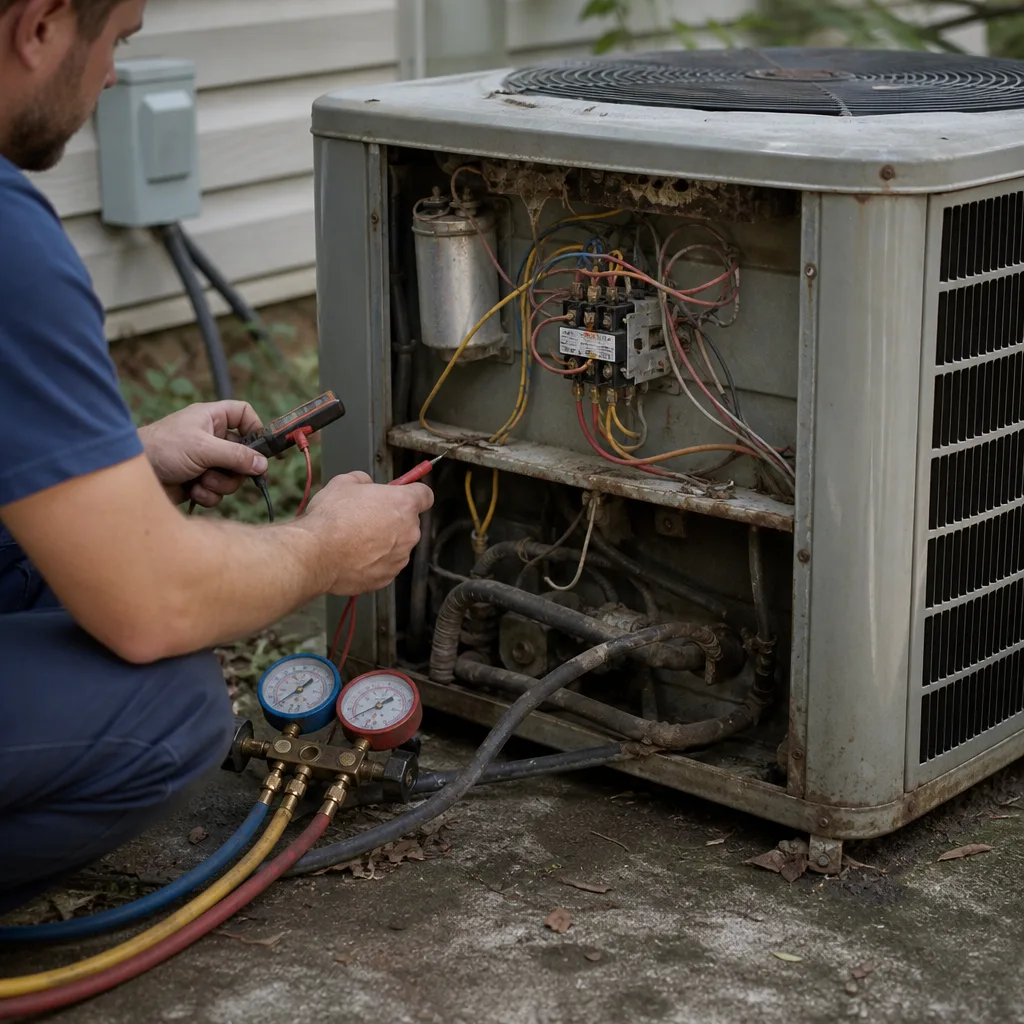 Before
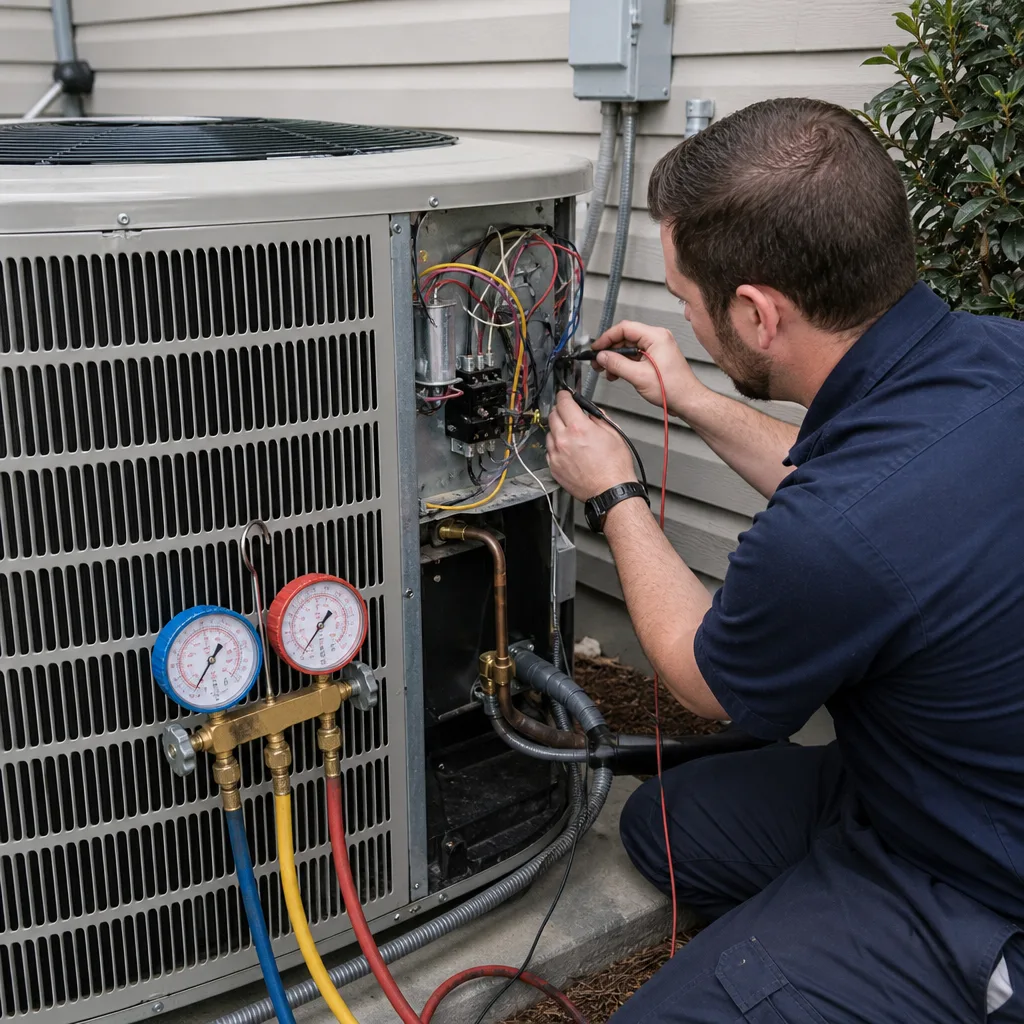 After
After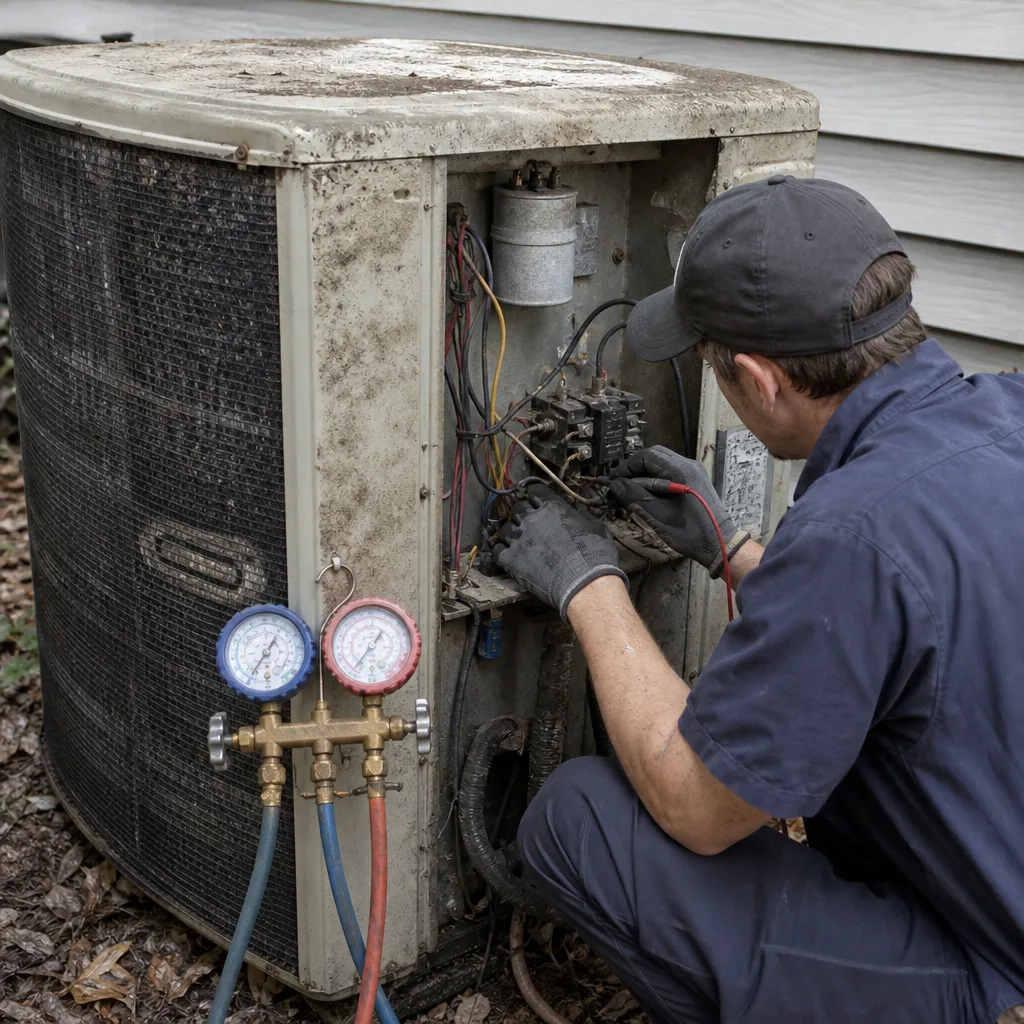 Before
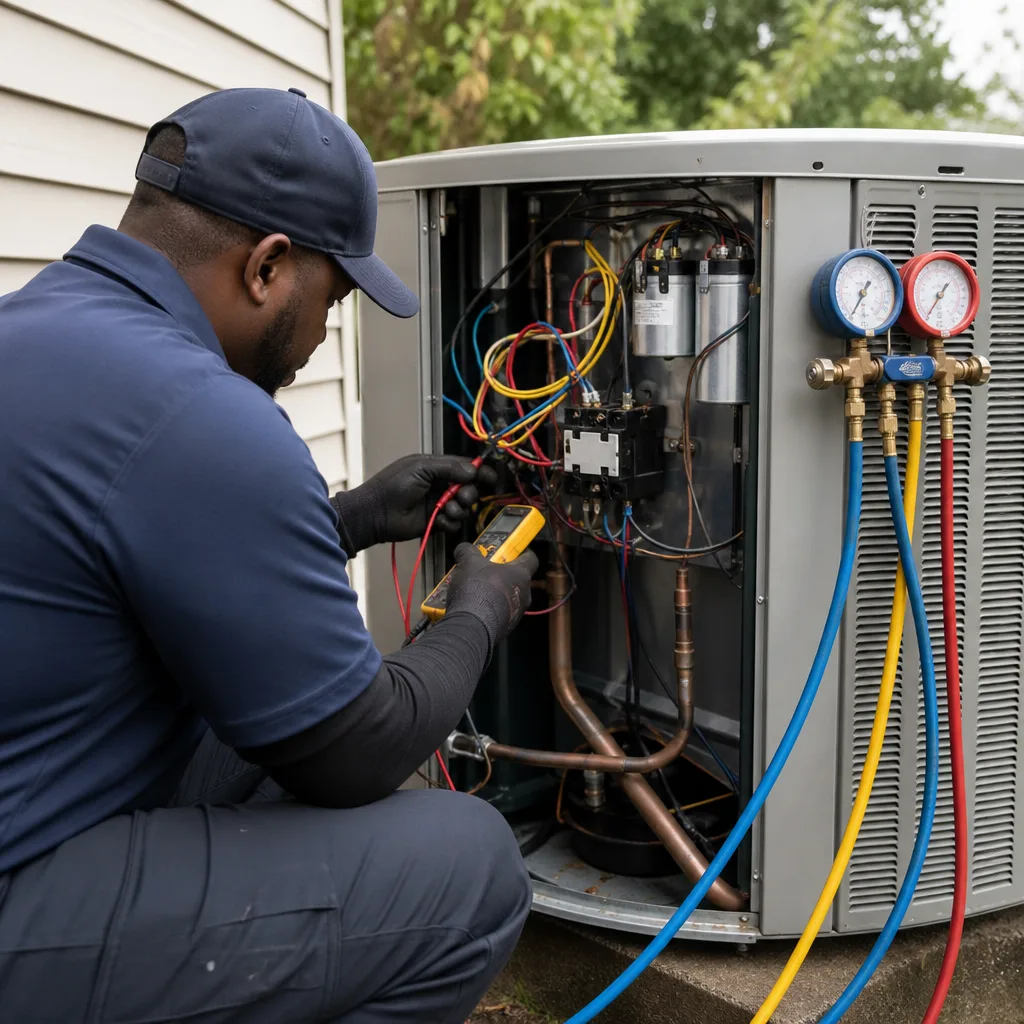 After
After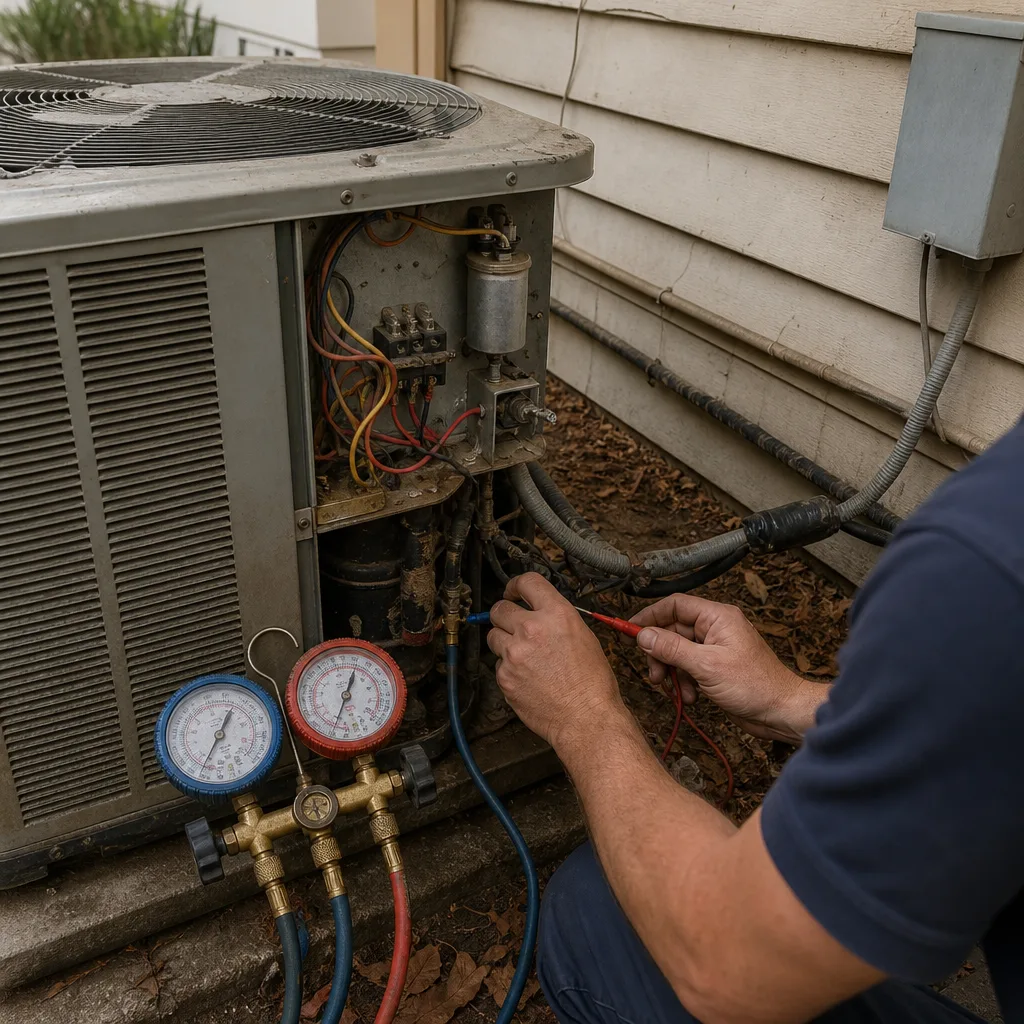 Before
 After
AfterReplacement Cost & What’s Included
For Atlanta homeowners, here’s the straight breakdown:
- Basic non-programmable Carrier mechanical thermostat: $180 – $260 installed
- Programmable Carrier Comfort series thermostat: $220 – $320 installed
- Carrier Cor Wi-Fi smart thermostat: $350 – $480 installed
- Carrier Infinity touchscreen (communicating): $450 – $650 installed
Every quote includes the thermostat itself, wall mounting hardware, wiring verification at the thermostat and at the furnace or air handler control board, system test in both heating and cooling modes, and a walkthrough of the settings before we leave. The written price is the price. Not an estimate that drifts upward once the wall plate comes off. The Kingswell Way standard applies here as it does on every job: price before the work starts, written down, and the 365-Day Done Right Promise on the installation. If the thermostat fails inside a year, we come back and fix it at no charge.
DIY or Call Us?
Let’s be straight about what’s safe and what isn’t. Most thermostats run on 24-volt control wiring, which is low voltage and safe to handle if you know what you’re doing. That’s why half the YouTube videos make it look easy. What those videos skip is the part where you mis-wire the common terminal and send 24 volts somewhere it doesn’t belong, frying a control board that costs $400 to replace. And on Carrier Infinity systems, the communicating bus carries data signals. Touch the wrong wire, and you won’t just lose your settings. You can damage the indoor control module.
What’s worth checking before you call: make sure the breaker to your air handler hasn’t tripped, check that the thermostat isn’t set on a locked schedule you forgot about, and replace the batteries if it takes them. If you’ve done all that and it’s still misbehaving, that’s when a technician who has been inside hundreds of Atlanta homes with Carrier systems becomes worth the call. Victor Mancini grew up in Los Angeles and learned his fundamentals at LA Trade-Technical College before spending the better part of two decades working through hot attics and crawlspaces. He’s diagnosed enough Carrier controls to know that seconds with a multimeter at the wall beats an hour of guessing from the couch. Tell me what it’s doing, and he’ll tell you what it needs – no guesswork, no extras.
FAQs
In Atlanta’s heat and humidity, a Carrier thermostat typically lasts 10 to 15 years. The heat is rough on electronics, and homes that run the system hard from May through September tend to wear thermostats out faster. We see failures starting around the eight-year mark in high-use homes.
Sometimes, yes. A thermostat with a dead sensor, failed relay, or burnt display board can occasionally be rebuilt, but the labor involved usually doesn’t pencil out. Once a thermostat is past eight or ten years old, replacement is the better money. Call (478) 223-8776 and we’ll tell you straight which side of that line yours sits on.
A standard Carrier thermostat swap takes under two hours from arrival to walkthrough, including wiring verification and system testing. Communicating Infinity models may run slightly longer for full system calibration.
Yes. Our trucks carry Carrier Comfort, Carrier Cor, and Infinity touchscreen models, plus quality aftermarket options from other brands we service like Trane and Lennox. Most Atlanta jobs are done in a single trip. Call us for a free estimate at (478) 223-8776 and we’ll have the right model matched to your system before we arrive.
Written by Victor Mancini, Owner & Lead Technician, Cold Harbour Heating and Air Atlanta at Cold Harbour Heating and Air Atlanta, serving Atlanta and nearby areas.