
 AC repair
 Furnace & heating
 Heat pumps
 Ductless mini splits
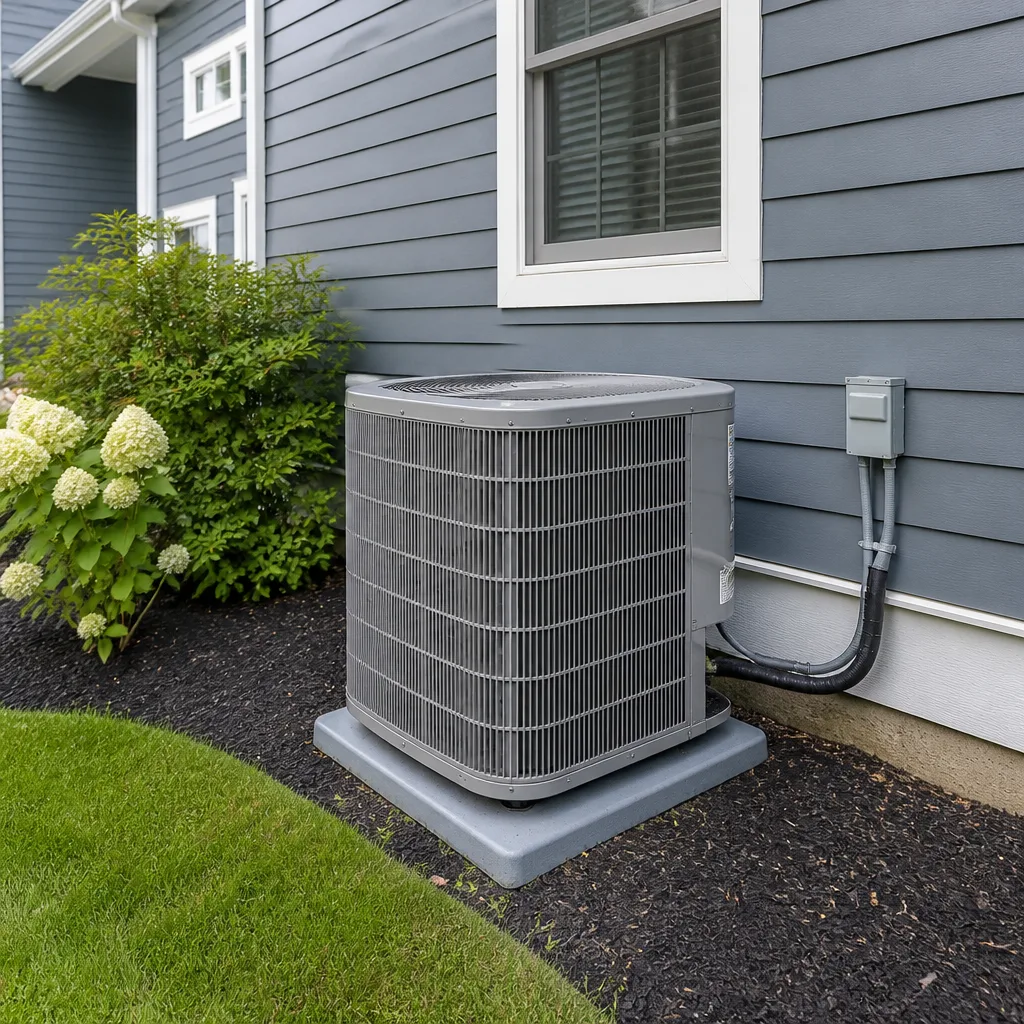 Carrier
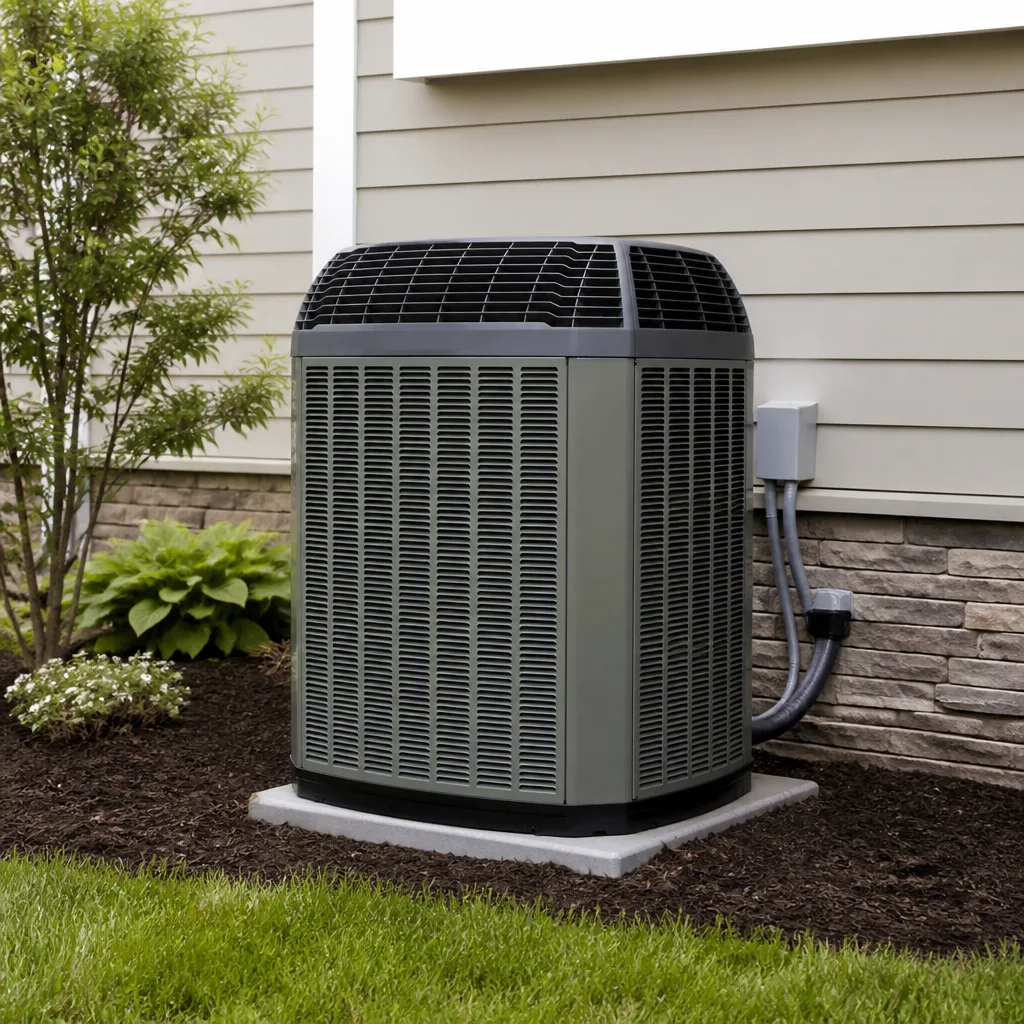 Trane
Trane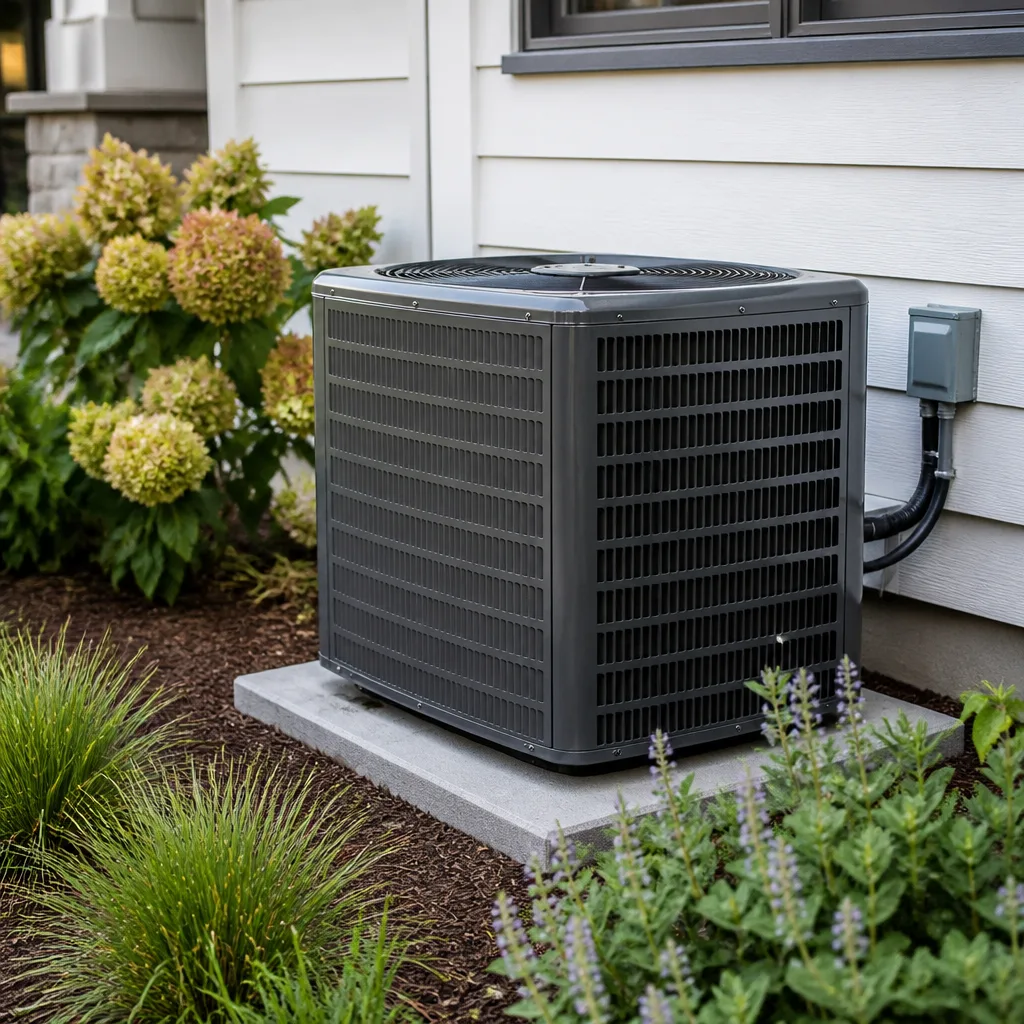 Goodman
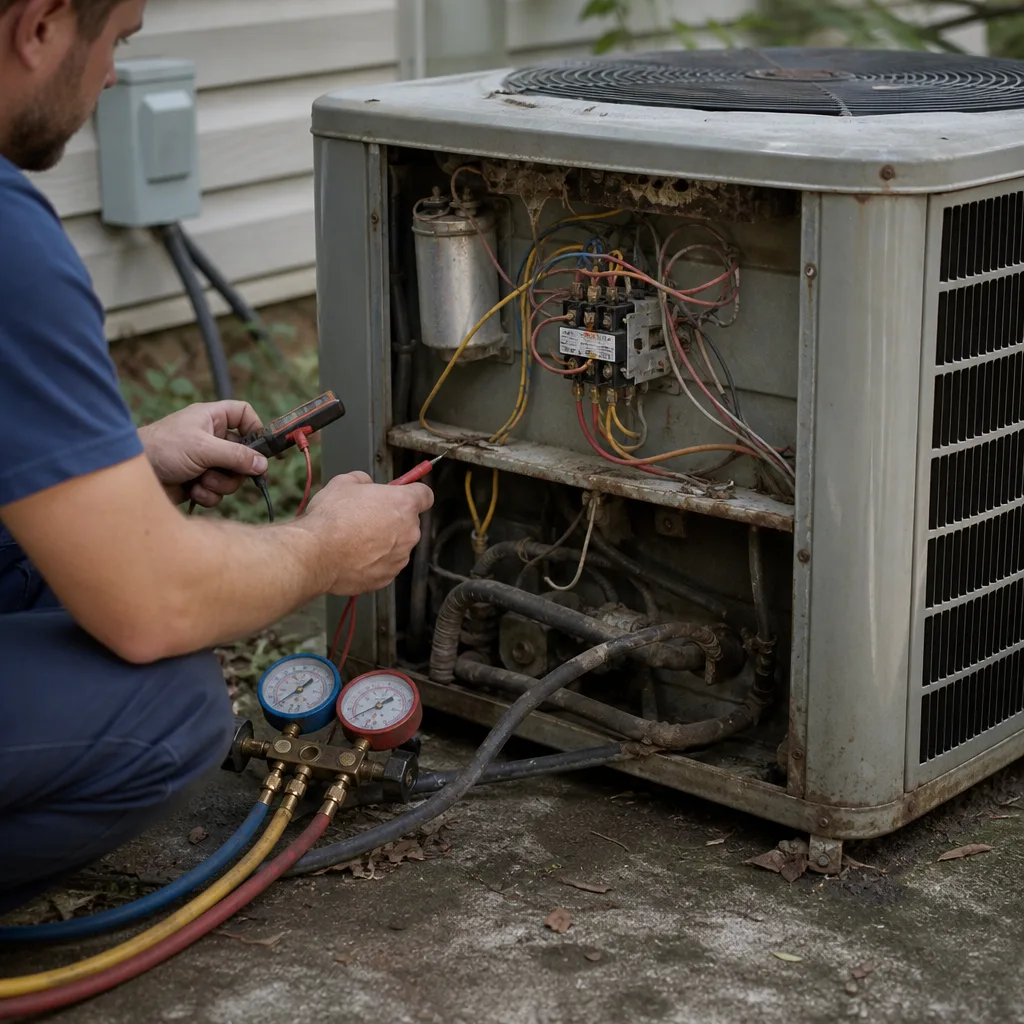
Seasonal tune-up and full diagnostic on your Carrier, Trane, or Goodman system - readings shown to you before any repair is proposed
Diagnosis first, numbers second - you approve the repair price before a single part goes in.
Get your free estimateGoodman Ductwork Repair: The Atlanta Owner’s Guide
Goodman ductwork repair in Atlanta typically runs $250 – $850 installed, depending on how much duct has failed and how hard it is to reach. We keep Goodman-compatible duct materials and fittings on our trucks, so most repairs in the Atlanta metro can be quoted and completed the same day. The usual way Atlanta homeowners find out they have a duct problem is simple: one room stays hot in August, or the utility bill climbs thirty dollars a month and nobody can explain why.
Ductwork isn’t a Goodman-branded component the way a control board or a gas valve is. Goodman designs and builds the air handler and condenser; the ducts are sized to match the system’s airflow, but they’re almost always fabricated locally. What matters is that the duct is sized correctly for the CFM your Goodman air handler pushes, sealed properly, and insulated for Atlanta’s attic heat. We’re an independent service provider, not a Goodman dealer, but our technicians train on Goodman equipment because it’s one of the most common systems in Atlanta homes.
Key Takeaways
- Goodman ductwork repair in Atlanta: $250 – $850 installed, most jobs same-day
- Every repair gets a written 365-Day Done Right Promise from Cold Harbour Heating and Air Atlanta
- You get a written price before any work starts, no exceptions
- Signs of failing ducts: hot rooms, dusty air, high bills, visible kinks or tears
- Call (478) 223-8776 and a live person answers, day or night
Which Goodman Models This Applies To
Ductwork repair applies to every Goodman system, because the ducts carry air for the whole house regardless of what condenser or air handler sits in the closet or attic. We work on homes with Goodman GSX and GSZ condensers, GMV and GME gas furnaces, and AVPT air handlers. The duct sizing specs are set by the blower’s CFM rating, which for a typical Goodman 3-ton air handler runs around 1,200 cubic feet per minute. If the duct can’t move that air, the system strains, and rooms at the end of the run never cool properly.
One Atlanta-specific compatibility gotcha: ducts in older Atlanta homes, especially bungalows built in the 1940s and 1950s around Grant Park, East Atlanta, and Kirkwood, were often sized for gravity heating or window units. When a Goodman system goes in, the duct is sometimes left undersized. We regularly see 8-inch supply trunks where the air handler needs 14-inch. No amount of Goodman equipment quality fixes an undersized duct. That’s the first thing Victor Mancini checks when a homeowner says one room never cools.
On the parts side, we use sheet metal, flex duct, mastic sealant, and collars that meet Atlanta mechanical code. For flex duct, the R-value matters here. Attics in Atlanta hit 130°F in July. We spec R-8 insulated flex for attic runs, not the thinner R-4.2 you find in mild climates. That one specification difference is why some Atlanta homes lose 15 – 20% of their cooled air before it ever reaches a register. As for OEM versus aftermarket: Goodman doesn’t manufacture ductwork, so the question really comes down to material quality and code compliance rather than brand label. We use materials that meet or exceed what the original install should have used.
Styles & brands we work with
Signs Your Goodman Ductwork Repair Is Failing
- One room stays hot while others cool fine. This usually means a supply duct has separated, collapsed, or been crushed somewhere between the air handler and that room’s register. The air is leaving the system, just not through the vent.
- Dust appears on furniture a day or two after cleaning. Leaks on the return side of the duct system pull attic air, insulation fibers, and dust into the system and then push it into your living space. Return leaks are also why some Atlanta homes smell like the attic every time the AC kicks on.
- The utility bill is climbing without a change in usage. A duct leak of 20% means one in every five dollars of cooled air never reaches the house. Georgia Power bills in July and August make that visible fast.
- You can see kinked, sagging, or torn flex duct in the attic. Flex duct that sags more than a few inches between supports creates airflow resistance. A sharp kink can cut airflow to a room by half. Tears happen when someone stores boxes on top of the duct or steps on it during a cable install.
- The system runs constantly and still doesn’t satisfy the thermostat. If the Goodman air handler is working, but the house won’t hold temperature, the conditioned air is going somewhere other than the rooms. That somewhere is usually the attic.
See the difference
 Before
 After
After Before
 After
After Before
 After
AfterReplacement Cost & What’s Included
Here’s what we see across Atlanta for ductwork repair pricing, parts and labor included:
| Repair Type | Typical Atlanta Installed Price |
|---|---|
| Small tear or separated joint (single location) | $250 – $350 |
| Collapsed flex duct run (one run, up to 15 feet) | $350 – $550 |
| Return duct leak repair with mastic sealing | $300 – $450 |
| Multiple supply runs damaged or undersized | $550 – $850 |
Every Cold Harbour Heating and Air Atlanta quote includes the written price before we open a tool bag. The number we hand you is the number on the invoice, period. That price covers all materials, labor, cleanup, and a written 365-Day Done Right Promise. If the repair fails within a year, we come back and correct it at no charge. No arguing, no re-quote, no trip fee. That’s The Kingswell Way, and it’s on paper every time.
DIY or Call Us?
Here’s the honest split. You can safely check a few things yourself: look for obvious tears in exposed flex duct, feel for air blowing around joints when the system runs, and note which rooms are warm. But actually repairing ductwork in an Atlanta attic is not a weekend project. Attics in July run hot enough to cause heat exhaustion in twenty minutes. Working with sheet metal means sharp edges. Sealing duct properly requires mastic and the right support spacing, and if you get it wrong, the leak comes back worse. Tell me what it’s doing, and I’ll tell you what it needs – no guesswork, no extras.
We’ve also walked into attics where a homeowner’s DIY tape job came loose after one summer. Foil tape fails in heat; code-compliant mastic doesn’t. If you’d rather not spend a Saturday sweating through your shirt in a 130°F attic, call us at (478) 223-8776. We’ll send a uniformed, background-checked technician who has done this hundreds of times, and you’ll have a written price in hand before we start.
FAQs
Flex duct in an Atlanta attic typically lasts 10 to 15 years before the inner liner degrades, the outer jacket tears, or the insulation compresses from heat exposure. Metal duct lasts longer, often 30 years or more, but joints can still separate. If your ducts are over 15 years old and you’re seeing the symptoms above, it’s time for an inspection. Call (478) 223-8776 and we’ll take a look.
Yes, in most cases. A separated joint, a tear, or a crushed section can be repaired without replacing the entire duct run. Full replacement only makes sense when the duct is badly deteriorated, undersized for the Goodman system’s airflow, or so patched that sealing it costs more than new material. We’ll tell you which one you need and why, and the written price reflects exactly that.
Most single-location duct repairs take between two and four hours from arrival to cleanup. Multiple runs or crawlspace work can stretch to a full day. We give you a firm arrival window, and we leave the job site cleaner than we found it – that’s one of the five written values of The Kingswell Way.
Yes. Our trucks carry R-8 flex duct in common diameters, sheet metal, collars, mastic, and supports, so most repairs can be completed on the first visit. We also service Carrier, Trane, and Lennox equipment with the same parts stock on board. No second trip, no waiting on a supply house order.
Written by Victor Mancini, Owner & Lead Technician, Cold Harbour Heating and Air Atlanta at Cold Harbour Heating and Air Atlanta, serving Atlanta and nearby areas.