
Last updated October 16, 2026
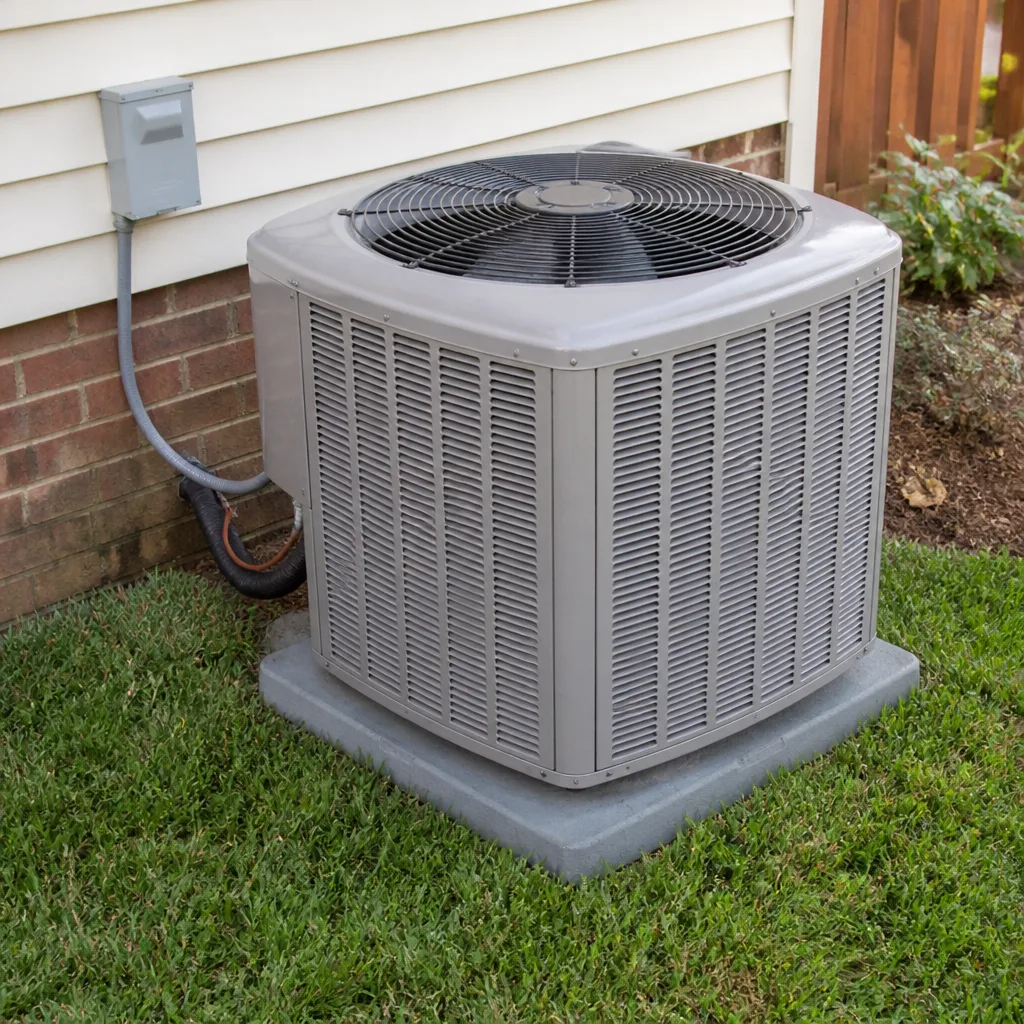 AC repair
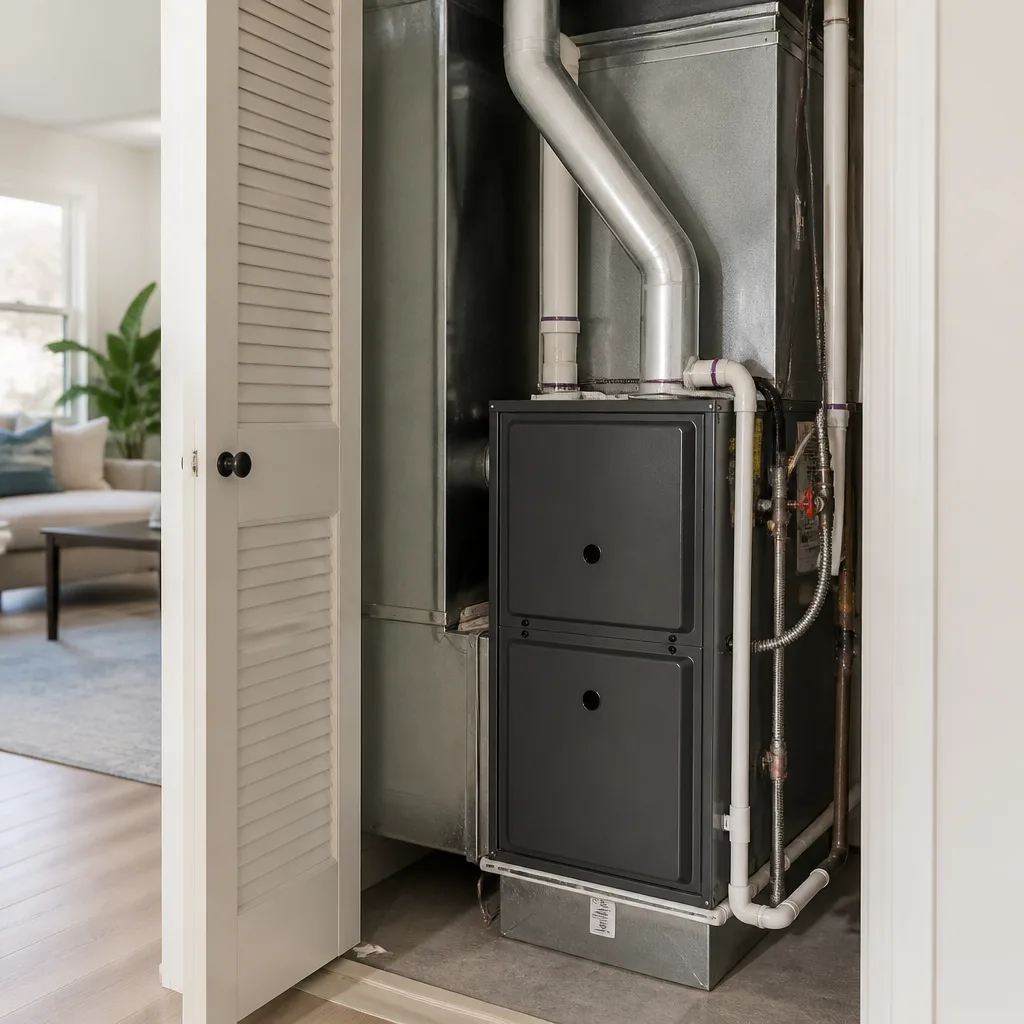 Furnace & heating
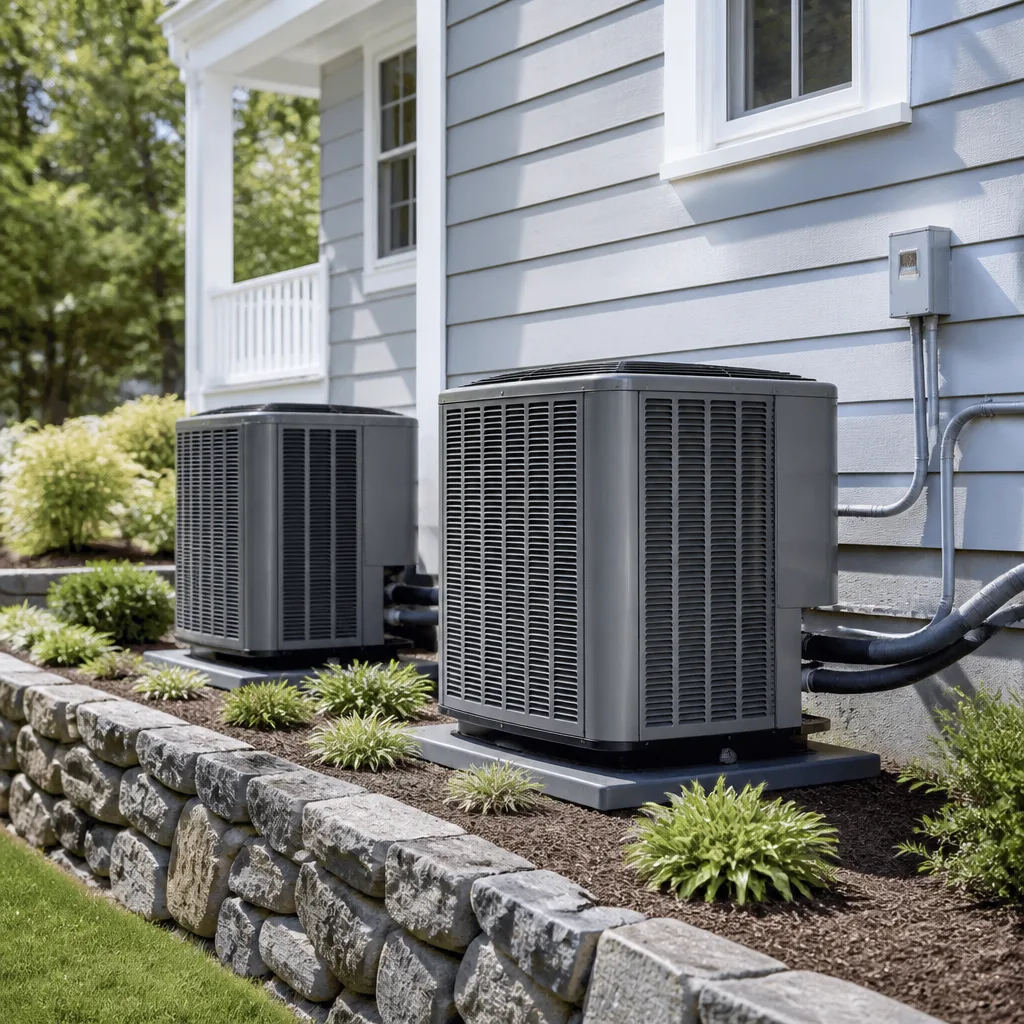 Heat pumps
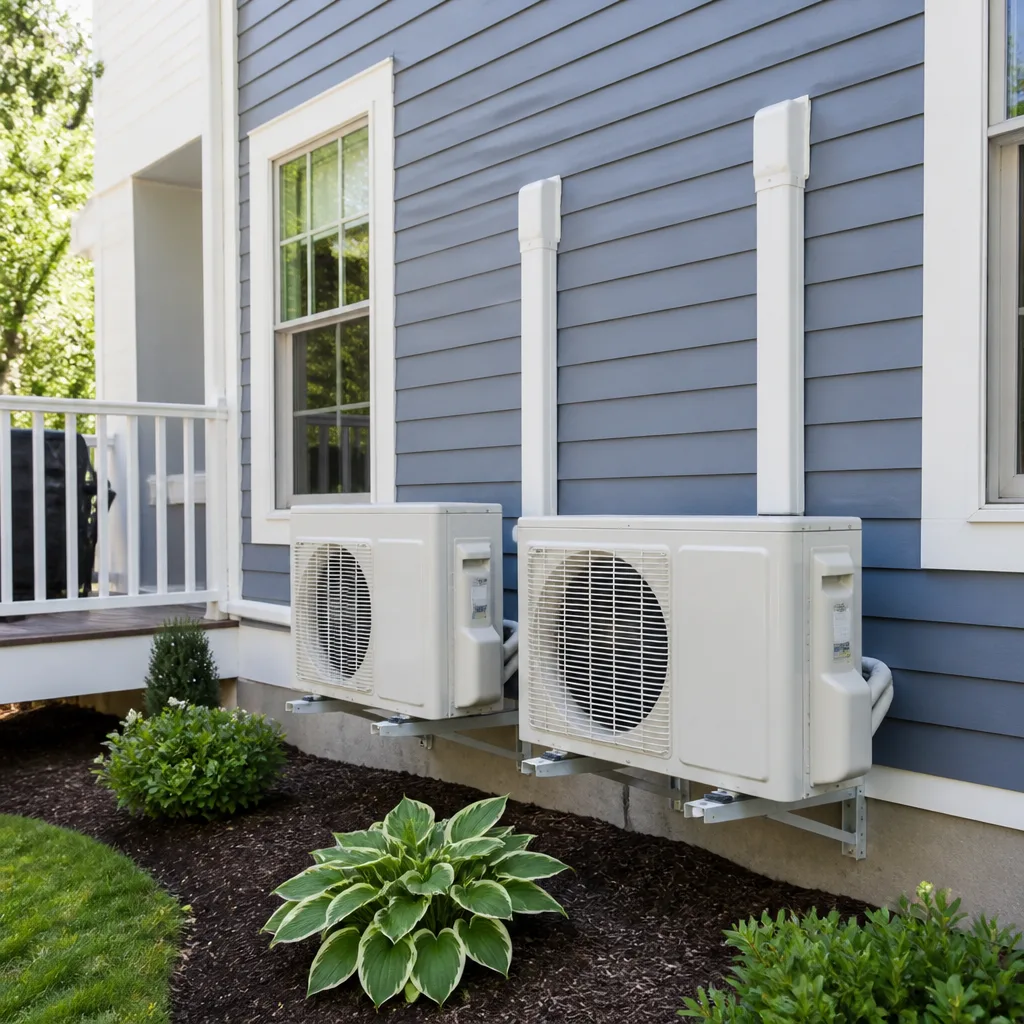 Ductless mini splits
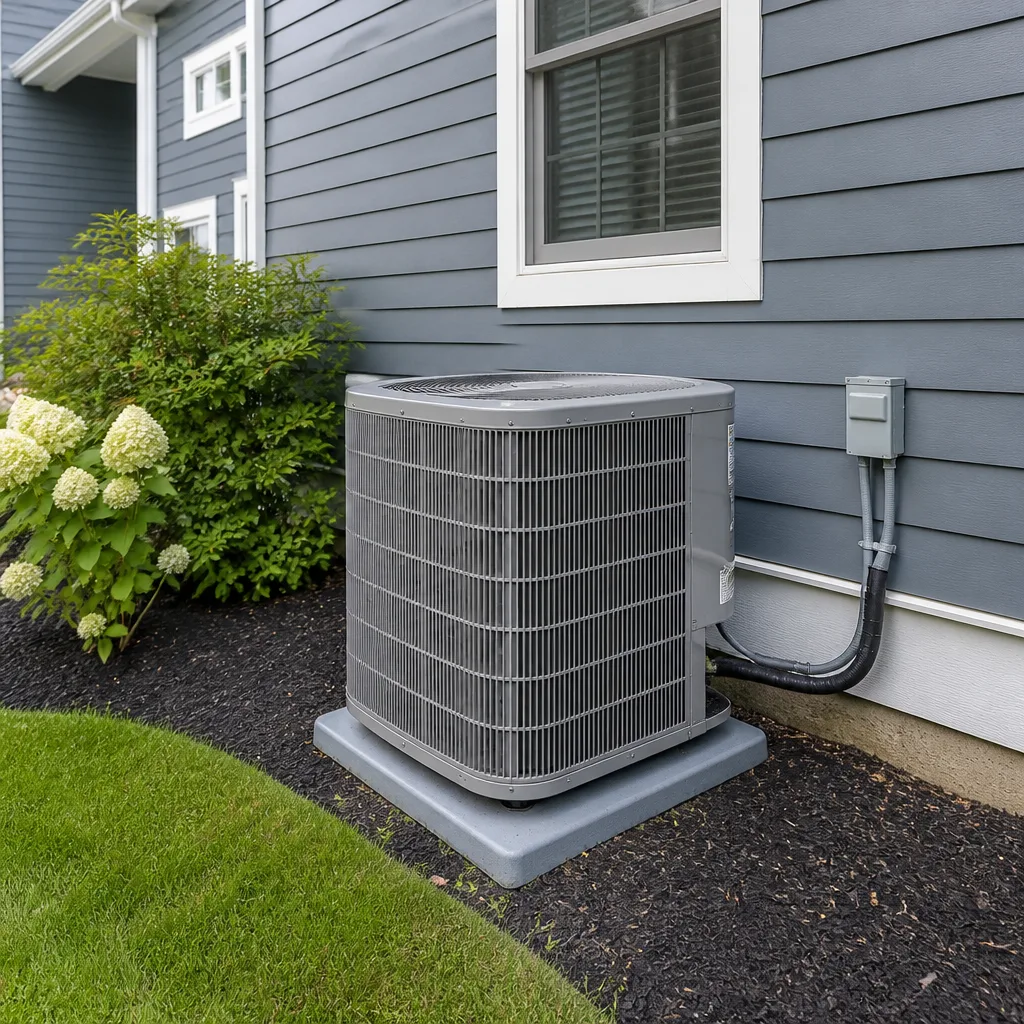 Carrier
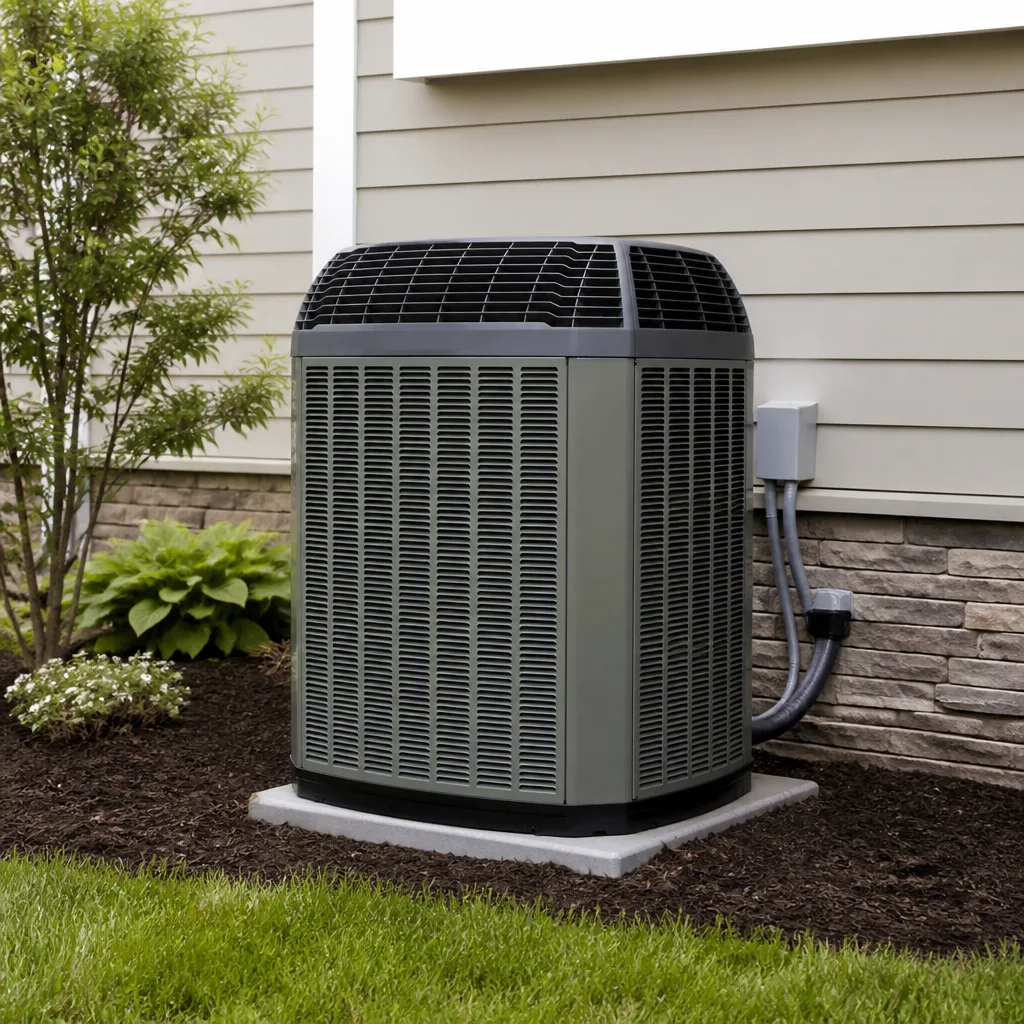 Trane
Trane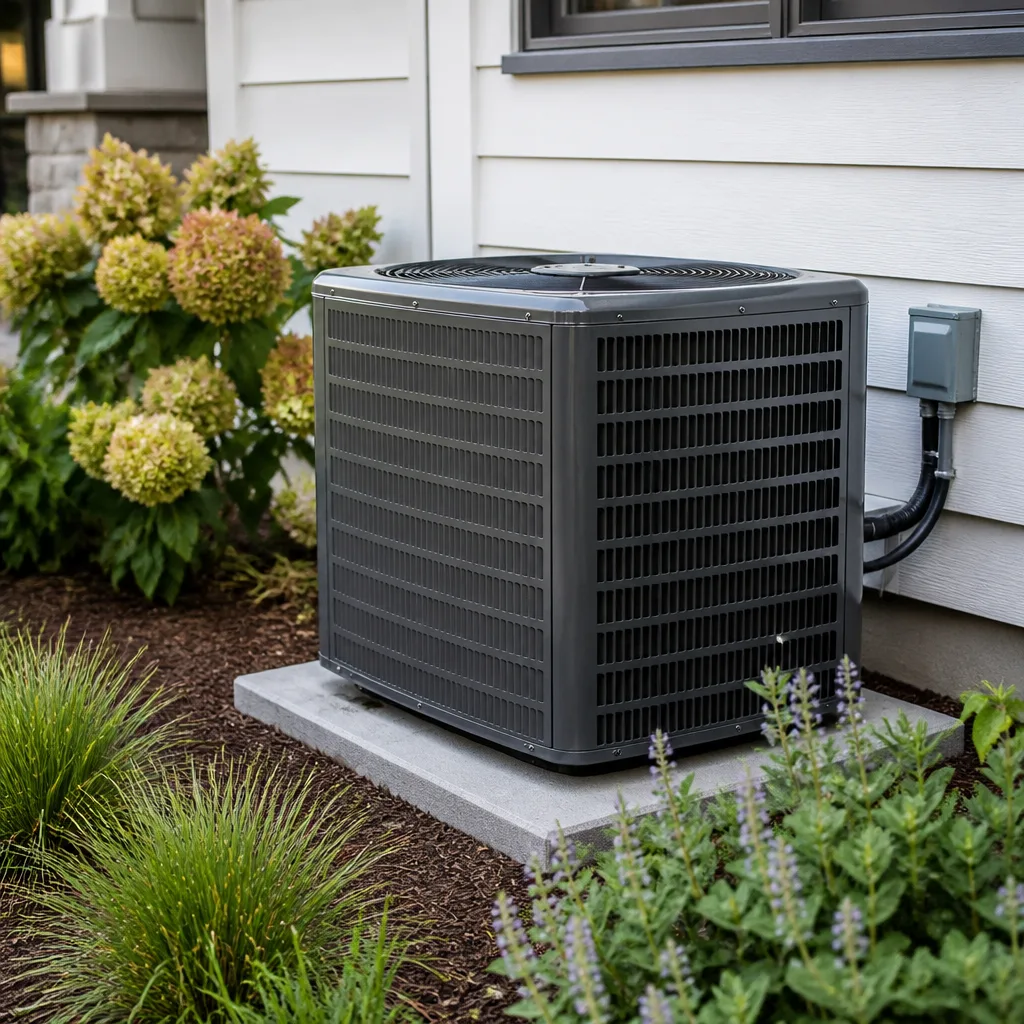 Goodman
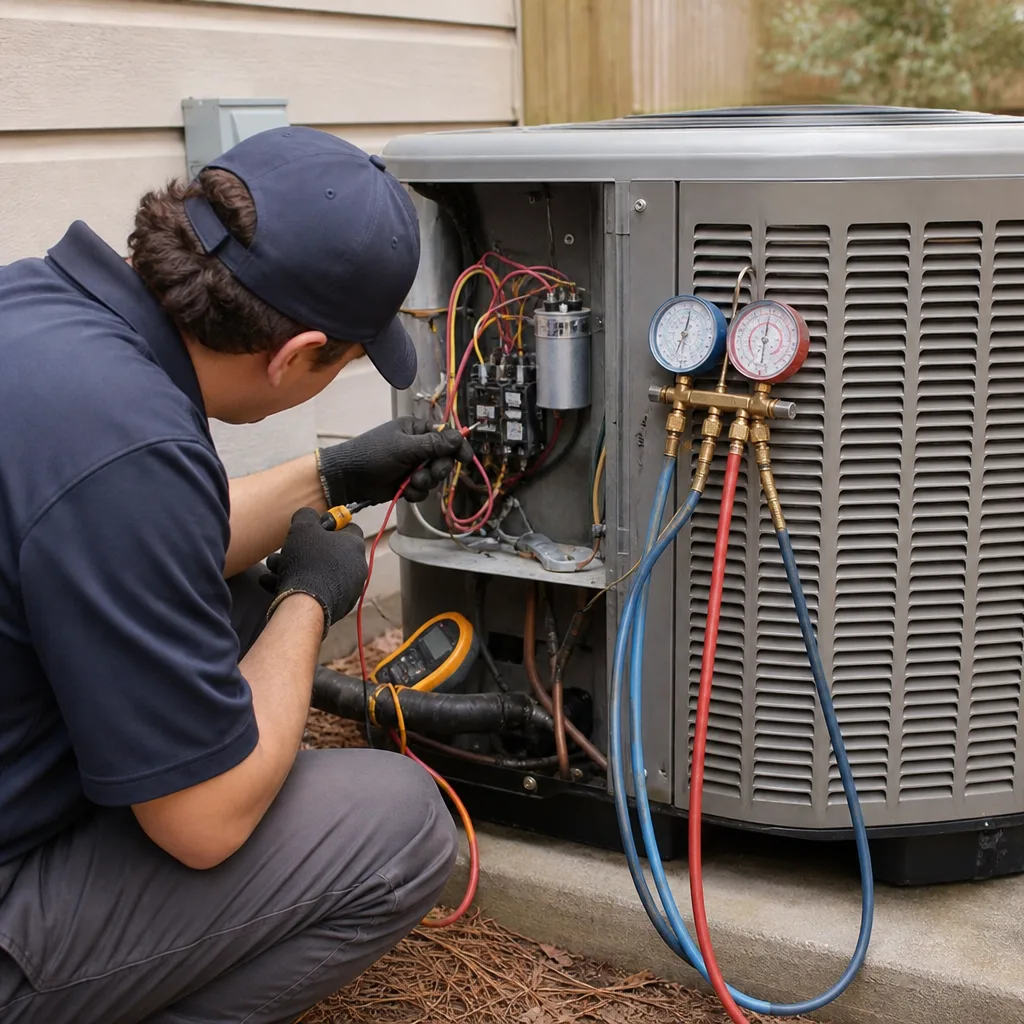
Seasonal tune-up and full diagnostic on your Carrier, Trane, or Goodman system - readings shown to you before any repair is proposed
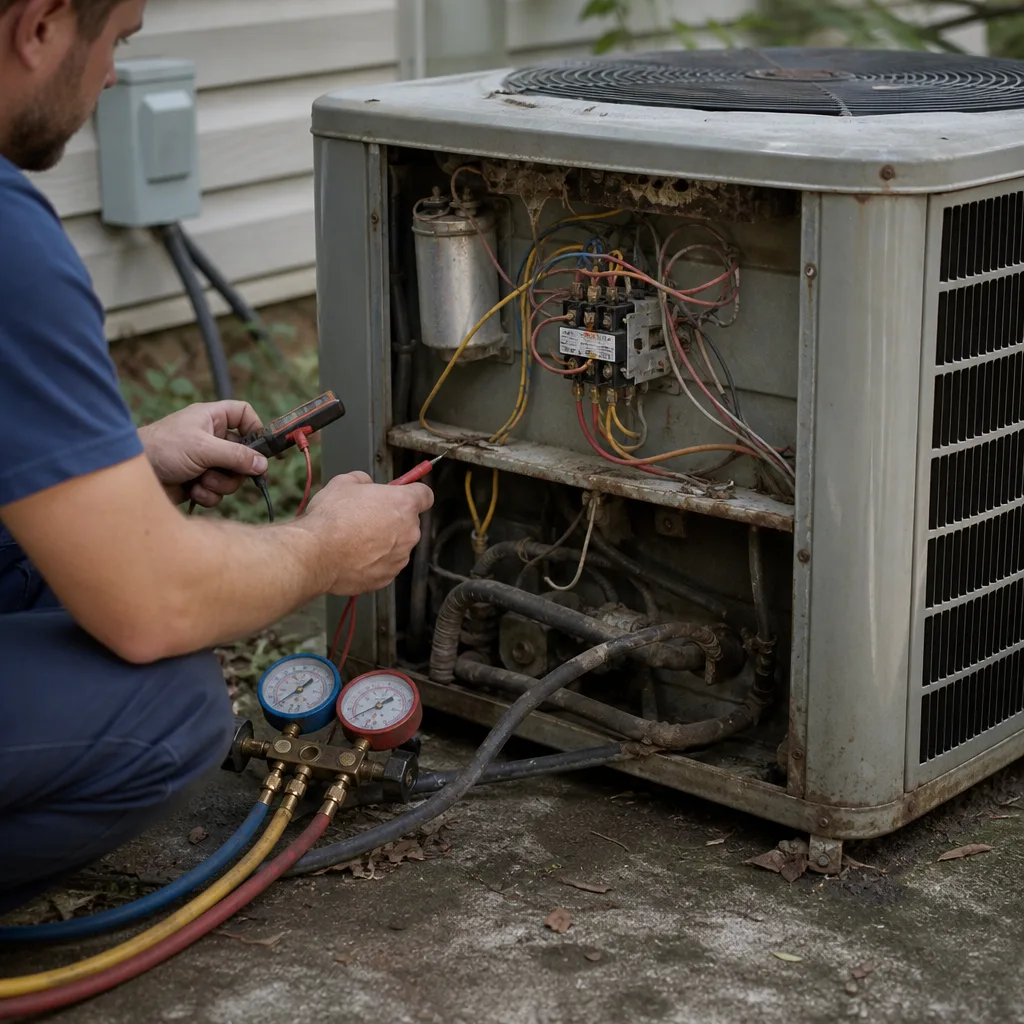
Diagnosis first, numbers second - you approve the repair price before a single part goes in.
Get your free estimateSeasonal HVAC Care for Atlanta: Year-Round Homeowner’s Guide
Atlanta recorded its first 90-degree day in March 2024, six weeks before the national maintenance guides tell homeowners to schedule their AC tune-up. That one fact tells you everything about why generic seasonal HVAC advice fails in this city. Our climate doesn’t follow the spring-summer-fall-winter script that most online checklists assume. Cooling demand runs deep into October, heating demand can appear in the same week, and the shoulder months of March, April, and November ask your system to switch modes faster than anywhere else in the country. This guide is built around Atlanta’s real weather calendar, the one we’ve watched shape HVAC failures for more than two decades, and is part of our broader Complete Guide to HVAC in Atlanta.
Styles & brands we work with
Quick Answer
Seasonal HVAC care in Atlanta means tuning your cooling system by early March (not May), checking your heat in late October (not December), and paying special attention to the shoulder months of March-April and October-November, when systems are asked to switch between heating and cooling rapidly. Homeowners who follow an Atlanta-specific schedule pay less for repairs, extend equipment life by three to five years on average, and avoid the emergency calls that spike during our first heat wave and first hard freeze.
Table of Contents
- Why Atlanta’s HVAC Calendar Runs Backwards
- The Month-by-Month Atlanta Maintenance Schedule
- The Shoulder Months: March-April and October-November
- January and February: Atlanta’s Best-Kept Scheduling Secret
- Preparing Atlanta Heat Pumps for Hard Freeze Events
- The Homeowner’s Maintenance Log Template
- Common Mistakes to Avoid
- When to Call a Professional
- Frequently Asked Questions
- The Bottom Line
Why Atlanta’s HVAC Calendar Runs Backwards
Most national maintenance guides tell homeowners to schedule an AC tune-up in May and a furnace check in October, but our AC Repair Maintenance Checklist for Atlanta Homeowners follows a different timeline. That advice fits Chicago or Boston. It does not fit Atlanta. Our city sits at the edge of the humid subtropical climate zone, which means we get long, sticky cooling seasons that start in late March and stretch into November. We also get winter cold snaps that drop temperatures into the teens for a few nights at a time. A system in Atlanta has to be ready for a 28-degree night and an 88-degree afternoon in the same week, and that happens more often than outsiders realize.
The numbers tell the story. Atlanta’s average high in March is 65 degrees, but we routinely see afternoons in the 80s. By April, average highs reach 73, with plenty of days above 80. October still averages 73, and November holds at 63. That means the cooling season here runs roughly eight months. The heating season, by contrast, is compressed into December, January, and February, with scattered cold mornings in November and March. A system that gets a tune-up on a northern schedule is already six weeks behind by the time Atlanta’s first real heat arrives.
We’ve also seen what happens when homeowners follow national advice: they call for AC repair in Atlanta in late May, when the first 95-degree day hits, and find every contractor booked for two weeks. The systems that fail are almost always the ones that didn’t get checked in early March, before the cooling load started. That’s the core insight of this guide: in Atlanta, the calendar is the maintenance tool, not the temperature outside.
The Month-by-Month Atlanta Maintenance Schedule
Here is the schedule we recommend to homeowners in Atlanta, built around our actual weather patterns and the real workload of local HVAC contractors. You’ll notice it diverges from the generic spring-and-fall advice that dominates most guides. Each month includes the action, the reason, and the Atlanta-specific condition that makes it matter.
January: The Quiet Month for Planning
January in Atlanta is cold by our standards, with average highs near 52 and lows around 34. It’s also the month when HVAC contractors have open calendars. That makes it the best time to do three things: schedule any non-urgent repairs you noticed during December, request a full-system evaluation if your equipment is more than 12 years old, and ask for written quotes on any replacement work you’re considering. Technicians have time to be thorough in January, and pricing tends to be lower when demand is soft.
What you can check yourself this month: change the air filter (aim for every 30-60 days during heating season), inspect the outdoor unit for leaves or debris, and test that your thermostat maintains temperature without short cycling, which is when the system turns on and off rapidly instead of running a full cycle. Short cycling in January is often a sign of an oversized furnace or a failing heat pump reversing valve.
February: Pre-Cooling Inspection
By February, Atlanta’s lows are still cold, but the first warm days are only a few weeks away. We recommend scheduling your cooling system inspection now, before the March warm-up. A technician in February can catch the problems that developed over winter: refrigerant leaks that formed in cold weather, worn capacitor contacts, dirty evaporator coils from fall pollen, and drainage lines clogged with winter debris. Most Atlanta homeowners don’t think about their AC until the first day it struggles to cool, and by then the schedule is full.
During a February inspection, ask the technician to check the refrigerant charge (the level of cooling fluid in the system), test the capacitor that starts the compressor, and clear the condensate drain line, which is the pipe that carries away the moisture your AC pulls from the air. A clogged condensate line is one of the most common causes of water damage around Atlanta air handlers.
March: The Real Start of Cooling Season
March is the hinge month in Atlanta. Average highs climb into the 60s and 70s, but we’ve recorded 90-degree days here. Your cooling system needs to be fully ready by March 15. That means the tune-up is done, the filter is fresh, and you’ve tested the system for a full cycle. If you haven’t scheduled your AC check yet, this is the deadline, not May.
What to watch in March: pollen. Atlanta’s spring pollen season is intense, and it coats outdoor condenser coils with a fine yellow film that reduces efficiency and raises your cooling bills. Hose off the outdoor unit with a gentle spray (never a pressure washer) after the worst pollen days, and keep the area around the unit clear of shrubs, pine straw, and fallen branches. We’ve seen systems lose 10-15% of their cooling capacity simply from a pollen-caked coil.
April: Pollen and the First Cooling Stretch
April brings Atlanta’s first sustained warm stretch, with average highs in the mid-70s and plenty of days above 80. Your AC is now running regularly. This is the month to watch your energy bills and listen for new sounds. A system that cools but makes a grinding, squealing, or rattling noise is sending you a warning. The compressor in outdoor units has an internal overload that will eventually shut the system down if a failing part isn’t addressed.
April is also the month to check your thermostat’s programming. Transition from winter settings to cooling settings, and if you have a programmable thermostat, make sure the schedule still matches your household’s rhythm. For most Atlanta homes, a cooling setpoint of 76-78 during occupied hours and 80-82 when away balances comfort and efficiency. Every degree below 76 adds roughly 6-8% to your cooling bill over the season.
May: The First True Heat Wave
May in Atlanta almost always delivers the first week of 90-degree days. Systems that skipped the March or April check are the ones that fail here. When temperatures spike above 90, your AC runs for longer cycles, and any weak component gets stressed to its breaking point. The most common May failures we see are capacitors, which are the electrical components that start the system’s motors. A capacitor costs a fraction of what an emergency call costs in the middle of a heat wave.
Homeowner check for May: run your AC for 30 consecutive minutes and check the temperature drop across the system. Measure the air coming out of a supply register with a simple thermometer; it should be 15-20 degrees cooler than the air entering the return. In Atlanta’s humidity, you also want the indoor coil to be dehumidifying properly. If your home feels clammy even when it’s cool, the system may be oversized or low on refrigerant, and that’s worth a service call.
June through August: Peak Cooling Load
June, July, and August are Atlanta’s blast furnace months. Average highs sit in the upper 80s to low 90s, humidity is brutal, and your AC runs continuously. The maintenance focus shifts from prevention to monitoring. Change the filter every 30 days during these months, especially if you have pets or live in a high-pollen area. Check the outdoor unit weekly for grass clippings, leaves, and debris; a restricted condenser coil will drive up your bills and shorten compressor life.
If your system starts struggling in July, don’t wait. A system that can’t hold 76 degrees on a 95-degree day may have a slowly developing refrigerant leak, and running it that way for weeks can damage the compressor, which is the single most expensive component in the system. This is also the time when AC repair in Atlanta becomes urgent. Our technicians carry parts for Carrier, Trane, Rheem, and Lennox systems on their trucks, because waiting on a part in August means a week of no cooling.
September: The Overlooked Cooling Month
September in Atlanta still averages highs in the mid-80s, and the humidity doesn’t break until late in the month. Many homeowners mentally check out of cooling season after Labor Day, but your AC is still running hard. This is a good month for a mid-season filter change and a visual check of the outdoor unit. It’s also the time to start thinking about the heating side, especially if you have a heat pump, which is the dominant system type in Atlanta’s mild winter climate.
What you can do in September: check the insulation on the refrigerant lines running from the outdoor unit to the indoor coil. These are the copper pipes you can see at the outdoor unit. The larger pipe, called the suction line, should be insulated along its entire visible length. Missing or degraded insulation reduces system efficiency and can cause condensation drips in your basement or crawlspace.
October: The Second Shoulder Month
October is Atlanta’s trickiest HVAC month. You’ll run the AC on a warm afternoon and need heat on the same night. For heat pumps, this rapid switching is normal but can reveal a failing reversing valve, which is the part that tells the system whether to heat or cool. If your heat pump blows cold air when it should be heating (or vice versa), the reversing valve is the first suspect. We cover this in more detail in the shoulder months section below.
October is also the month to schedule your heating system check, before the first sustained cold snap. A technician will test the heat exchanger in a furnace, clean the flame sensor, check the inducer motor, and verify that the system is producing safe, complete combustion. For gas furnaces, a cracked heat exchanger is a carbon monoxide risk, and that’s not something to postpone. Our furnace repair in Atlanta work spikes in late November, after the first cold front, and the systems that fail are almost always the ones that skipped the October check.
November: Heating Season Begins
November brings Atlanta’s first real cold, with average lows dropping into the low 40s and occasional nights below freezing. Your heating system is now running regularly. What to watch: unusual odors in the first few cycles, which are usually just dust burning off the heat exchanger and should clear within an hour. If the smell persists or smells like rotten eggs, that’s a gas concern, and you should shut the system down and call immediately.
November is also the time to check your home’s envelope, which is everything that keeps the conditioned air in and the outdoor air out. Weatherstripping around doors, caulk around windows, and attic insulation all have a direct impact on how hard your heating system works. In Atlanta, many homes built before 2000 have R-19 to R-30 attic insulation, and upgrading to R-38 or better can cut heating bills by 10-15%. The HVAC system is only as efficient as the house around it.
December: Steady Heating and the Maintenance Reprieve
December in Atlanta is cold by local standards, with average highs near 53 and lows near 36. Your heating system is under continuous load. The maintenance focus is simple: change the filter monthly, keep the outdoor unit clear of fallen leaves (for heat pumps), and listen for new sounds. A furnace that bangs, pops, or rumbles is telling you something is wrong. Delayed ignition, which produces a soft “boom” when the burners light, is a sign of dirty burners or a failing ignitor and should be addressed before it becomes a no-heat call in January.
This is also the month to begin the cycle again: note anything that seemed off during December, so you can schedule the fix in January when contractors have open calendars and better pricing. The Atlanta HVAC calendar is a loop, not a line, and the homeowners who treat it that way are the ones who rarely see emergency repair bills.
The Shoulder Months: March-April and October-November
Every city has shoulder seasons, but Atlanta’s are uniquely stressful for HVAC equipment because they require rapid mode switching. In March and April, a system might cool on an 80-degree afternoon and heat on a 38-degree morning, sometimes within the same 24-hour period. The same pattern repeats in October and November, when warm afternoons give way to cold nights. This rapid cycling exposes problems that steady-state operation never reveals.
Here is what we tell Atlanta homeowners to check during the shoulder months:
- Heat pump reversing valve: This is the component that switches a heat pump between heating and cooling modes. It’s a solenoid-controlled valve that shifts the direction of refrigerant flow. When it sticks or fails, the system blows cold air in heating mode or hot air in cooling mode. The shoulder months are when a weak reversing valve shows itself, because that’s when the system actually changes modes. A technician can test it in minutes.
- Thermostat mode switching: We’ve seen more failed comfort calls during shoulder months from thermostat settings than from mechanical failures. If your thermostat is still set to “cool” and Atlanta delivers a cold morning, the system simply won’t heat. The fix takes ten seconds. The service call costs more than it should.
- Condensate drain line flow: During cooling season, your system removes gallons of moisture from the air. That water flows through a drain line to the outside or a floor drain. In Atlanta’s humidity, algae and mold grow in the drain line, especially during the damp spring months. A clogged line triggers a float switch that shuts the system down entirely. Pouring a cup of white vinegar down the drain line every shoulder month keeps the flow clear.
- Short cycling during mode changes: If your system turns on and off rapidly during shoulder weather, it may be short cycling, which is when the system reaches the thermostat setpoint too quickly because the outside temperature is mild. Some short cycling is normal in shoulder months, especially with oversized equipment. But if it cycles every few minutes, you’re adding wear to the compressor and blower motor. A technician can check whether the system is oversized for your home and whether the thermostat’s temperature differential needs adjustment.
- Outdoor coil cleanliness: Spring pollen and fall leaves are the two biggest debris loads on an Atlanta outdoor unit. In March and April, pine pollen and tree pollen coat the coil. In October and November, fallen leaves pile up against the unit and restrict airflow. Clean the unit gently with a garden hose at the start of each shoulder month, and keep a three-foot clearance around it.
The shoulder months are also when we recommend running a full cycle test in both modes. Set the thermostat to cooling for 30 minutes on a warm day, then to heating for 20 minutes on a cool evening. If either mode fails or performs weakly, you’ve caught a problem in Mild weather, before it becomes an emergency in the peak of summer or winter.
January and February: Atlanta’s Best-Kept Scheduling Secret
Every trade has a slow season, and for Atlanta HVAC contractors, that season is January and February. The weather is cold enough that cooling calls have stopped, but not extreme enough to generate the flood of no-heat emergencies that hit in December and March. That means two things for homeowners: faster scheduling and better pricing.
Here is what you can do in January and February to save money and avoid the spring rush:
- Request a full-system evaluation at non-urgent rates. During peak season, a diagnostic visit competes with emergency calls. In January, a technician can spend an hour going through your entire system, checking refrigerant levels, testing electrical connections, measuring airflow, and evaluating the heat exchanger or reversing valve. You get a detailed written report, not a rushed checklist.
- Get written quotes for planned replacements. If your system is 12 years old or older, or if you’ve had repeated repairs, January is the right time to get quotes for a new system. AC installation in Atlanta is a spring and early-summer business, and contractors price accordingly. In January, you’ll get more attention, more scheduling flexibility, and often a lower price on the same equipment. The Cold Harbour Heating and Air Atlanta team provides written prices before any work begins, so you can compare quotes on paper, not on a handshake.
- Complete deferred maintenance at reduced demand. Every homeowner has a list of small things they meant to fix: a noisy blower, a thermostat that runs a few degrees off, a duct that seems loose. January is the month to clear that list. Technicians have the time to be thorough, and you’ll enter the cooling season with a system that’s fully sorted.
The reason most homeowners don’t think about HVAC in January is the same reason the pricing is better. Demand is low. But Atlanta’s first warm week arrives in March, and the homeowners who waited until then are the ones paying peak rates and waiting a week for a diagnostic.
Preparing Atlanta Heat Pumps for Hard Freeze Events
Heat pumps are the dominant heating system in Atlanta because our winters are mild. A heat pump works by extracting heat from the outdoor air and moving it inside, which is efficient when temperatures stay above freezing. But every few years, Atlanta gets a hard freeze, the kind of cold snap that drops temperatures into the low 20s or teens for two or three consecutive nights. Those events, rare as they are, cause outsized damage to heat pumps that haven’t been prepared.
The most common freeze-related failure we see is a heat pump that freezes over completely and then shuts down. Here’s what happens: when temperatures drop below about 35 degrees, the outdoor coil can accumulate frost. The system has a defrost cycle that melts the frost periodically, but if the defrost controls are failed or the system is low on refrigerant, the frost builds into solid ice. The fan blades hit the ice, the compressor strain climbs, and the system locks out. By the time we arrive, the homeowner has been without heat for a day or more, and the repair is more expensive than a defrost control board replacement would have been.
Here is how to prepare a heat pump for Atlanta’s rare hard freeze events:
- Before the cold snap: Verify that the defrost cycle works. Set the system to heat on a cold morning and watch the outdoor unit. You should see it run normally, then periodically shift into a brief defrost cycle where the outdoor fan stops and you might see steam rising from the coil. That’s the system melting frost. If you never see a defrost cycle, the defrost sensor or control board may have failed.
- Clear the area around the outdoor unit. In a hard freeze, the heat pump needs maximum airflow across the coil. Remove leaves, pine straw, and any debris within three feet of the unit. Elevate the unit if water pools around the base; standing water that freezes will eventually damage the coil fins.
- Check the emergency heat setting. Every heat pump thermostat has an “emergency heat” or “auxiliary heat” setting. This bypasses the heat pump and uses electric resistance heating strips, which are less efficient but reliable in extreme cold. If your heat pump freezes up during a hard freeze, switching to emergency heat keeps your home warm until a technician can address the problem. Not all Atlanta homeowners know their thermostat has this setting, and that small gap in knowledge turns a minor problem into a cold night.
- Test the system a week before any forecast cold event. Run the heat for 30 minutes and confirm it’s producing warm air. If the air is lukewarm or the system runs constantly without warming the house, call before the freeze, not during it. Brands like Rheem and York heat pumps have specific defrost logic that a trained technician can verify, and the fix is usually quick when caught early.
One more thing about Atlanta freezes: the damage is rarely to the heat pump itself. It’s to the homes where the system fails and the temperature drops below freezing, which puts pipes at risk in crawlspaces and attics. A heat pump check before a hard freeze is cheap insurance for the whole house.
The Homeowner’s Maintenance Log Template
Most homeowners don’t keep a record of their HVAC system’s performance, which means they can’t spot gradual decline until it becomes a failure. A simple log, kept year over year, turns your memory into data. Here’s the template we recommend for Atlanta homeowners. It takes five minutes per entry and will save you hundreds of dollars in preventable repairs.
Monthly entry fields:
- Date and outdoor temperature: Note the approximate high and low for the day. Atlanta’s shoulder months matter here because the temperature swing tells you how hard the system worked.
- Mode setting: Cool, heat, or off. Track when you switched modes; switching dates tell you when your shoulder season started and ended.
- Filter change date: Note when you changed the filter and what the old one looked like. A filter that’s darker than usual at 30 days signals more dust, pet hair, or pollen load.
- Temperature drop or rise: For cooling, measure the air temperature at a supply register and subtract the return air temperature. Note the result. For heating, do the same. A decline in the temperature difference over months, even a few degrees, is an early sign of refrigerant loss or airflow restriction.
- Any new sounds or smells: Write down anything unusual, even if it stopped. Intermittent sounds are the hardest for technicians to diagnose, and your notes give them the pattern.
- Energy bill comparison: Compare this month’s bill to the same month last year. A sharp increase with no change in usage is a red flag.
Annual entries (each January):
- System age: Note the equipment’s age. The typical lifespan in Atlanta, where cooling runs eight months a year, is 12-15 years for a heat pump and 15-20 years for a furnace.
- Repairs performed this year: List every repair, with the date and the technician’s description. If the same part fails twice, that’s a pattern worth investigating.
- Season start dates: Note when you first ran cooling and first ran heating. Atlanta’s seasons drift year to year, and your log will show the trend.
The log doesn’t need to be fancy. A spiral notebook by the air handler works fine. The point is consistency. When a technician asks, “How has the system been running?” you’ll have an answer with dates and numbers instead of a vague memory. That’s how performance trends get caught before they become emergency repairs.
Common Mistakes to Avoid
- Following a national maintenance calendar. Scheduling your AC tune-up in May, as most national guides advise, means your system goes through Atlanta’s first warm stretch of March and April unchecked. By May, the damage is often done.
- Neglecting the condensate drain line. Atlanta’s humidity creates ideal conditions for algae and mold growth in the drain line. A clogged line trips the float switch and shuts down the system, usually on the hottest day of the year. Pouring vinegar down the line monthly during cooling season prevents this.
- Ignoring pollen on the outdoor coil. Atlanta’s pine and tree pollen season runs from late February through April, and the yellow film that coats your condenser coil reduces efficiency by 10-15%. A gentle rinse after the worst pollen days restores the lost capacity.
- Switching modes without checking the thermostat. Shoulder month comfort complaints are often just thermostat settings. Before calling for service, verify the thermostat is set to the correct mode. The fix takes ten seconds and costs nothing.
- Delaying a heating check until November. Atlanta’s first cold snap arrives in late October or early November, and furnace failures cluster right after it. Scheduling your heating check in early October means the system is tested before the first real load.
- Running a struggling system through a heat wave. A system that can’t hold 76 degrees on a 95-degree Atlanta afternoon may have a refrigerant leak. Continuing to run it risks compressor damage, which turns a $300 repair into a $3,000 replacement.
- Skipping the filter during pollen season. A filter that’s clogged after two weeks in April is doing its job, but it needs to be changed. Running a clogged filter starves the system of airflow, lengthens run times, and stresses the blower motor.
When to Call a Professional
Some things a homeowner should never attempt, and that list starts with high-voltage electrical components, refrigerant handling, and gas combustion. For help deciding what’s safe to DIY, see our DIY vs Professional HVAC: The Atlanta Homeowner’s Decision Guide. A capacitor, for example, stores enough electrical charge to cause a serious shock even when the system is off. Refrigerant requires an EPA certification to handle, and gas furnaces involve combustion safety that no homeowner should bypass. If your system is short cycling, making new sounds, failing to hold temperature, or showing ice on the coil or refrigerant lines, call a professional. The same applies after any hard freeze event if your heat pump won’t defrost. Cold Harbour Heating and Air Atlanta offers free estimates in Atlanta, and our technicians are trained to service Rheem, Daikin, Bryant, and the other major residential brands. Call (478) 223-8776 to schedule.
Frequently Asked Questions
Twice a year is the minimum for Atlanta: once in early spring (late February or early March) for cooling and once in early fall (October) for heating. Atlanta’s long cooling season and the demands of our shoulder months mean that systems checked less often are statistically more likely to fail during the first heat wave or cold snap. If you have a heat pump running both heating and cooling through the year, the same two visits cover both functions.
Schedule your AC tune-up by March 15 at the latest. By March, average highs in Atlanta are climbing into the 60s and 70s with regular days above 80. Waiting until May means your system has already run through several weeks of cooling load, and the contractors are booked with emergency calls from the first heat wave. February is actually the ideal month, when scheduling is open and technicians have time to be thorough.
Seasonal HVAC maintenance in Atlanta typically runs $89-$159 per visit for a standard tune-up, depending on the contractor and the level of inspection. A combined annual maintenance plan, covering both the cooling and heating checks plus filter changes and priority scheduling, usually runs $180-$300 per year. Emergency repair calls during Atlanta’s heat waves, by contrast, often run $150-$400 just for the diagnostic and trip fee. Call (478) 223-8776 for a written quote on a seasonal tune-up for your specific system.
The repair-or-replace line in Atlanta is usually around 12-15 years of age, because our cooling season runs eight months and the accumulated compressor hours add up fast. If your system is older than 12 years and needs a repair costing more than 30% of a new system’s price, replacement often makes more sense. A new system also brings efficiency gains; Atlanta homeowners replacing a 14-SEER unit with an 18-SEER unit typically cut their cooling bills by 20-25%. The written price we provide includes the full equipment and labor cost, so you can compare replacement against repair on paper before deciding.
A heat pump freezes up when the defrost cycle fails to clear ice from the outdoor coil, which happens when the defrost control board, defrost sensor, or refrigerant charge has a problem. In Atlanta, where winter temperatures hover right at the freezing line, light frost on the coil is normal and self-clearing; solid ice that builds into a block is a malfunction. Frequent defrost cycling in Atlanta’s humid winter air can also indicate low refrigerant. Switching to emergency heat keeps your home warm while a technician diagnoses the defrost system.
We serve the entire Atlanta metro area, including Buckhead, Midtown, Decatur, Sandy Springs, Roswell, Marietta, Alpharetta, Duluth, and the surrounding communities. Same-day service is available for most calls placed before noon, and our phones are answered by a live person 24 hours a day, 7 days a week. Call (478) 223-8776 and we’ll give you a firm arrival window before the technician heads your way.
The Bottom Line
Atlanta’s HVAC calendar runs on its own clock, and the homeowners who follow it pay less and break down less. The formula is simple: tune the cooling by early March, tune the heating by October, watch the shoulder months closely, and use January and February to plan ahead while everyone else is waiting for the heat wave. A maintenance log turns scattered observations into a trend line you can act on. And when something does go wrong, a company that puts the guarantee in writing, before the work starts, is the one you want answering the phone. That’s how Cold Harbour Heating and Air Atlanta has operated since 2003, and it’s the standard we hold ourselves to on every job in Atlanta.
Written by Victor Mancini, Owner at Cold Harbour Heating and Air Atlanta, serving Atlanta since 2003.
See the difference
 Before
 After
After Before
 After
After Before
 After
After