
Last updated October 16, 2026
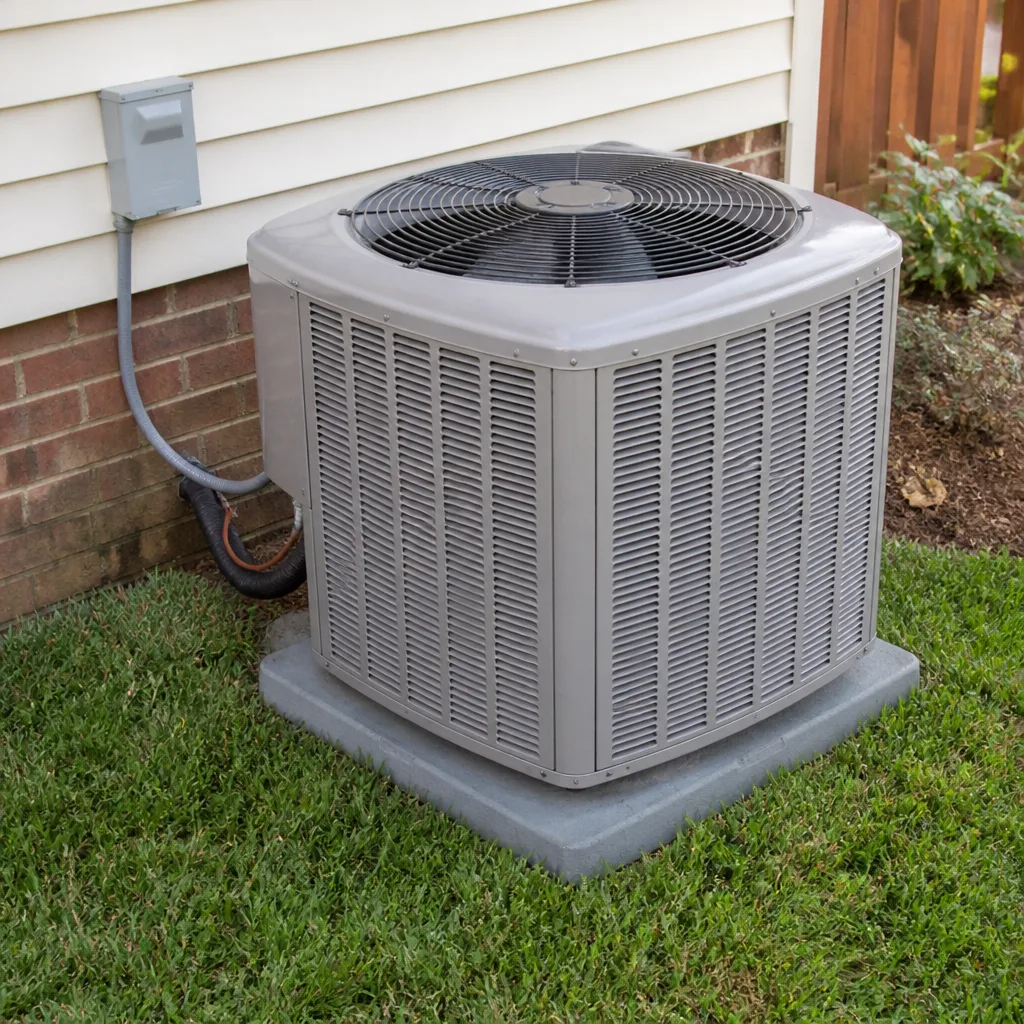 AC repair
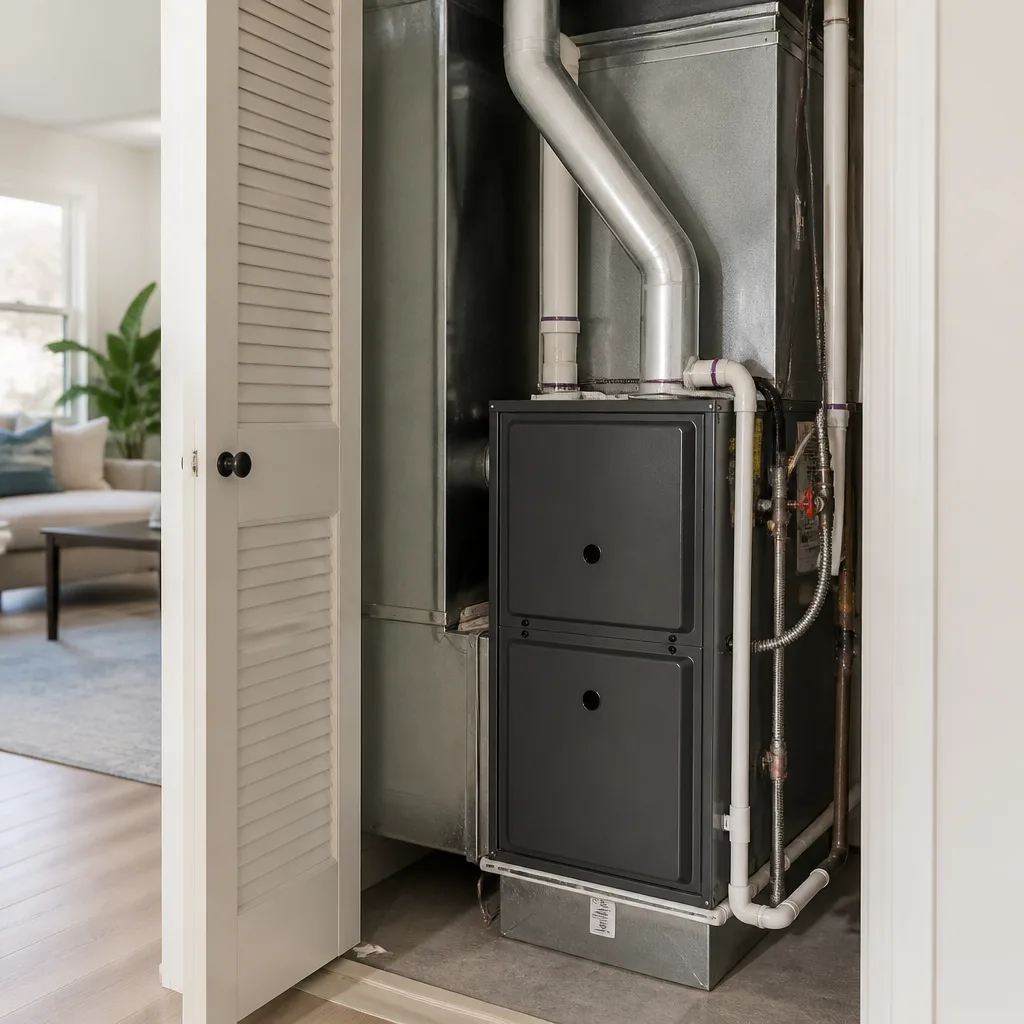 Furnace & heating
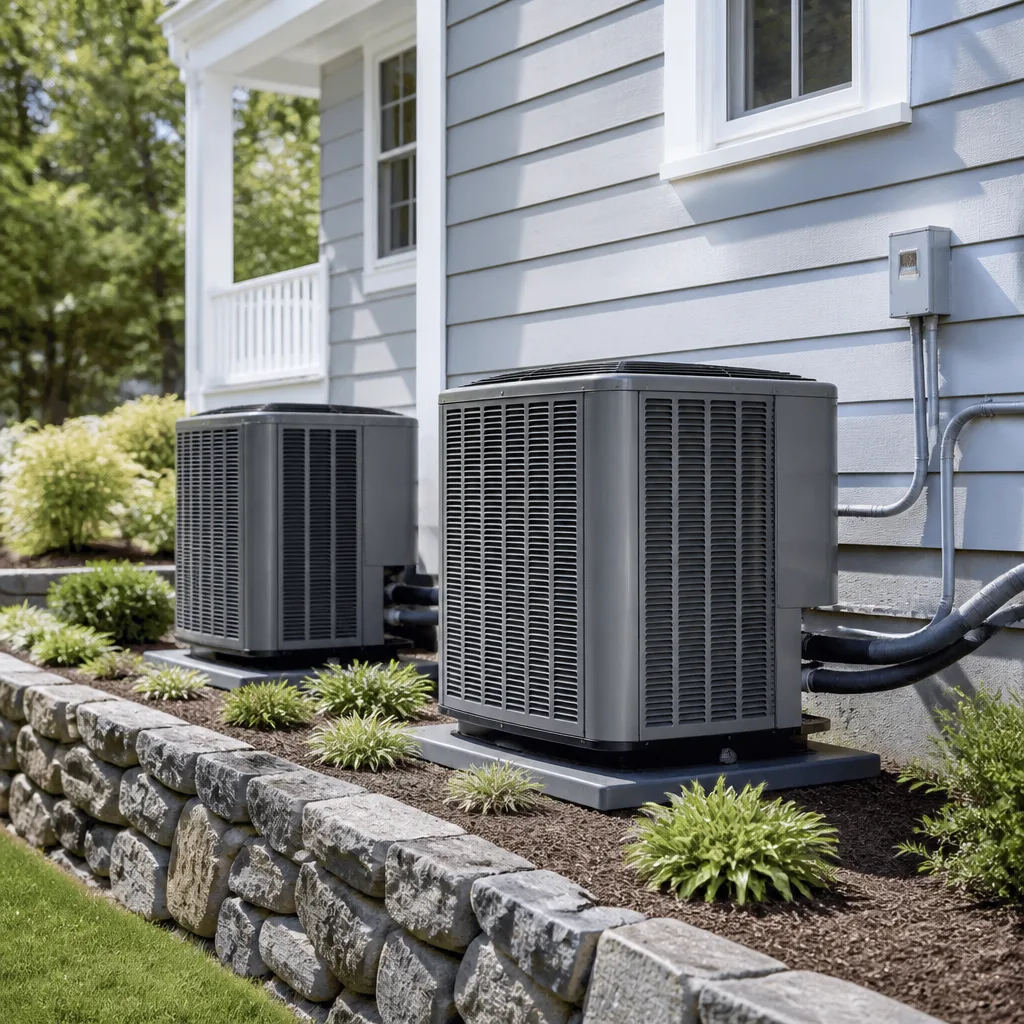 Heat pumps
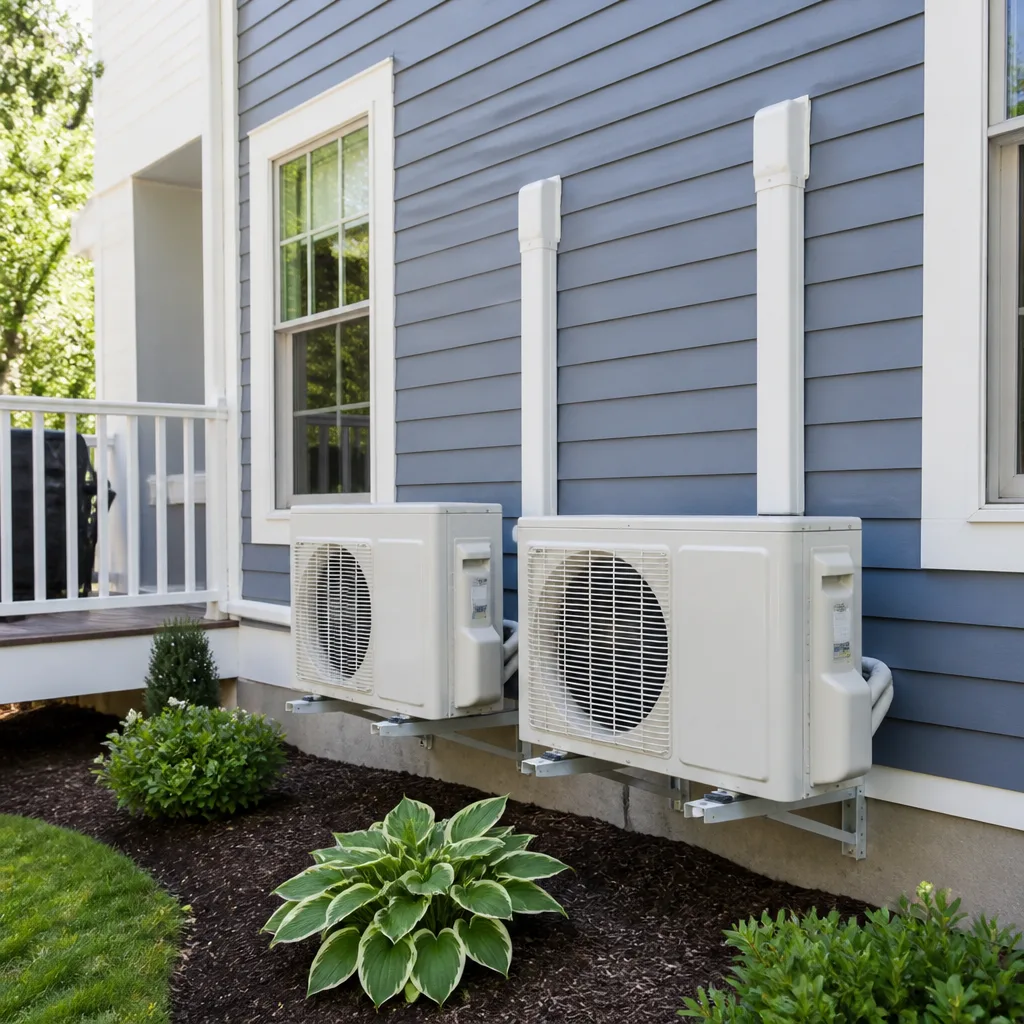 Ductless mini splits
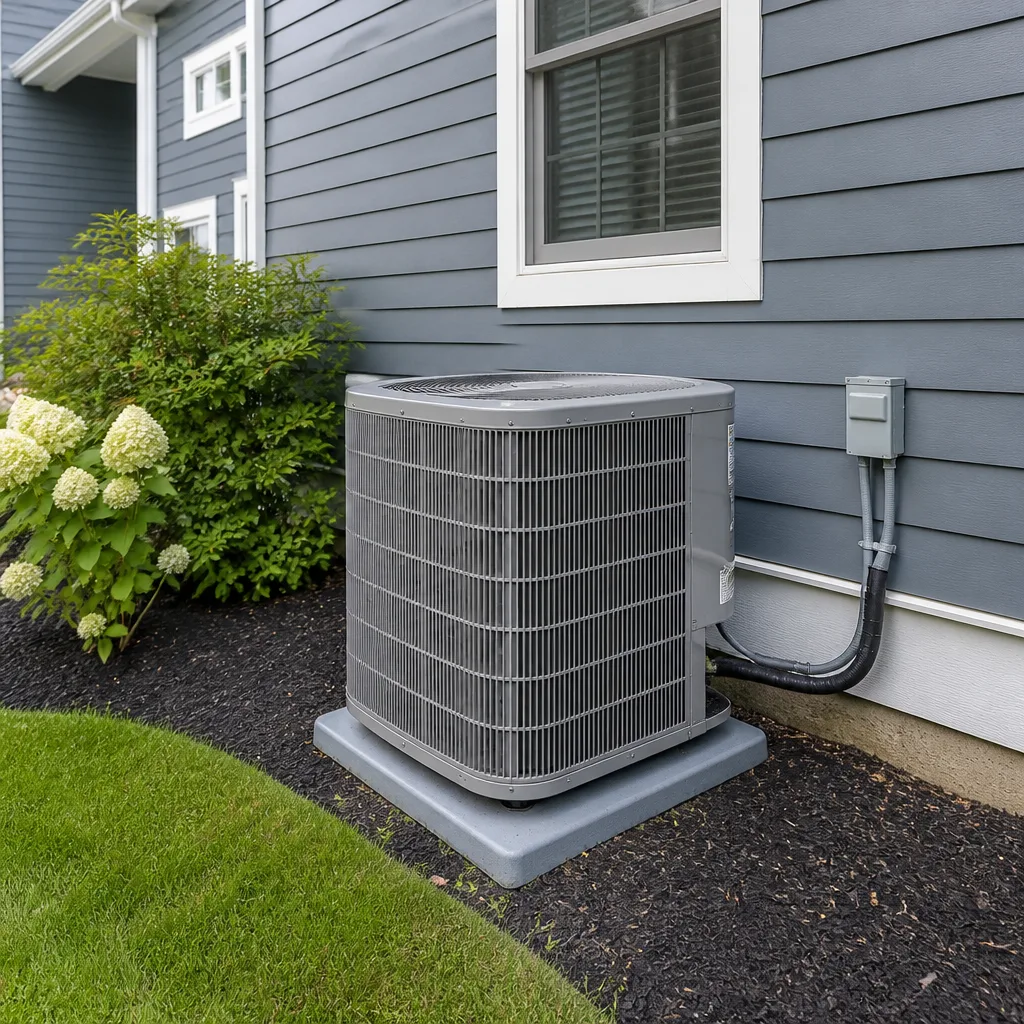 Carrier
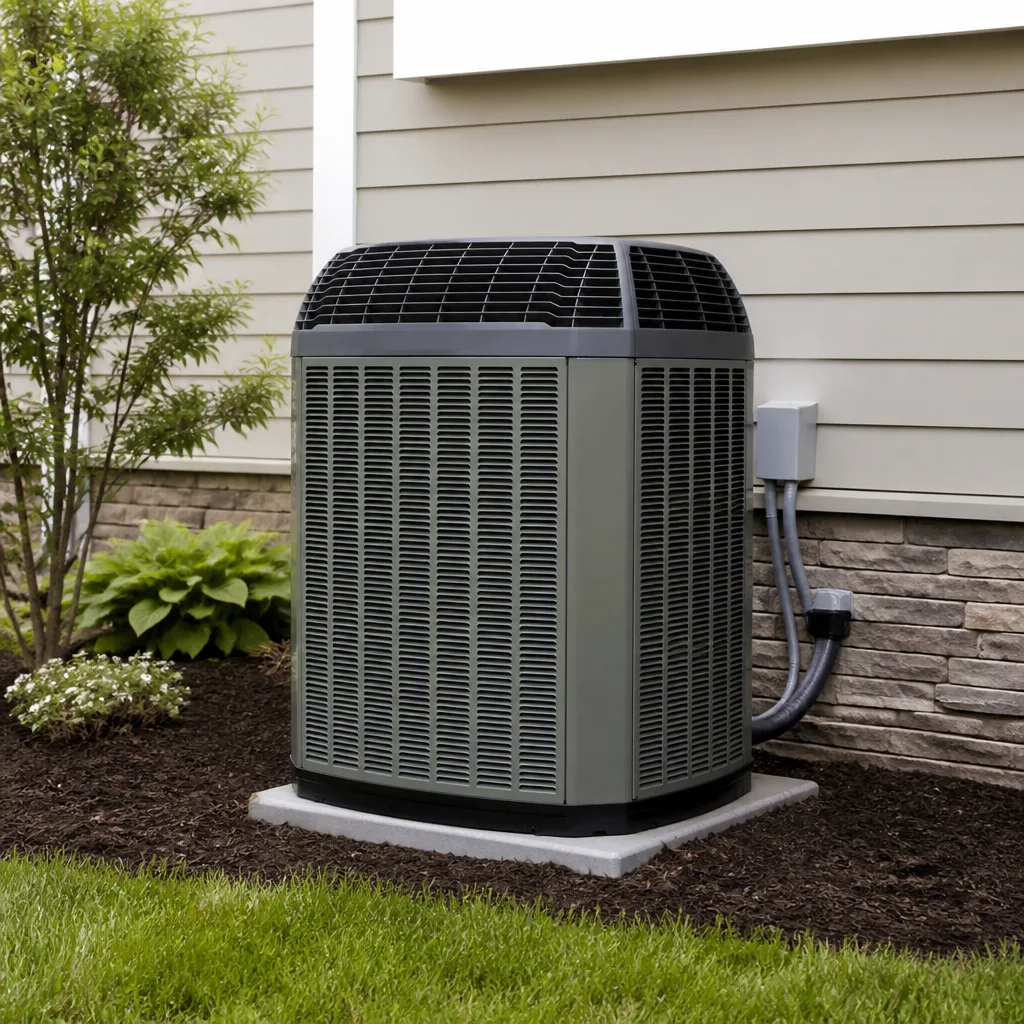 Trane
Trane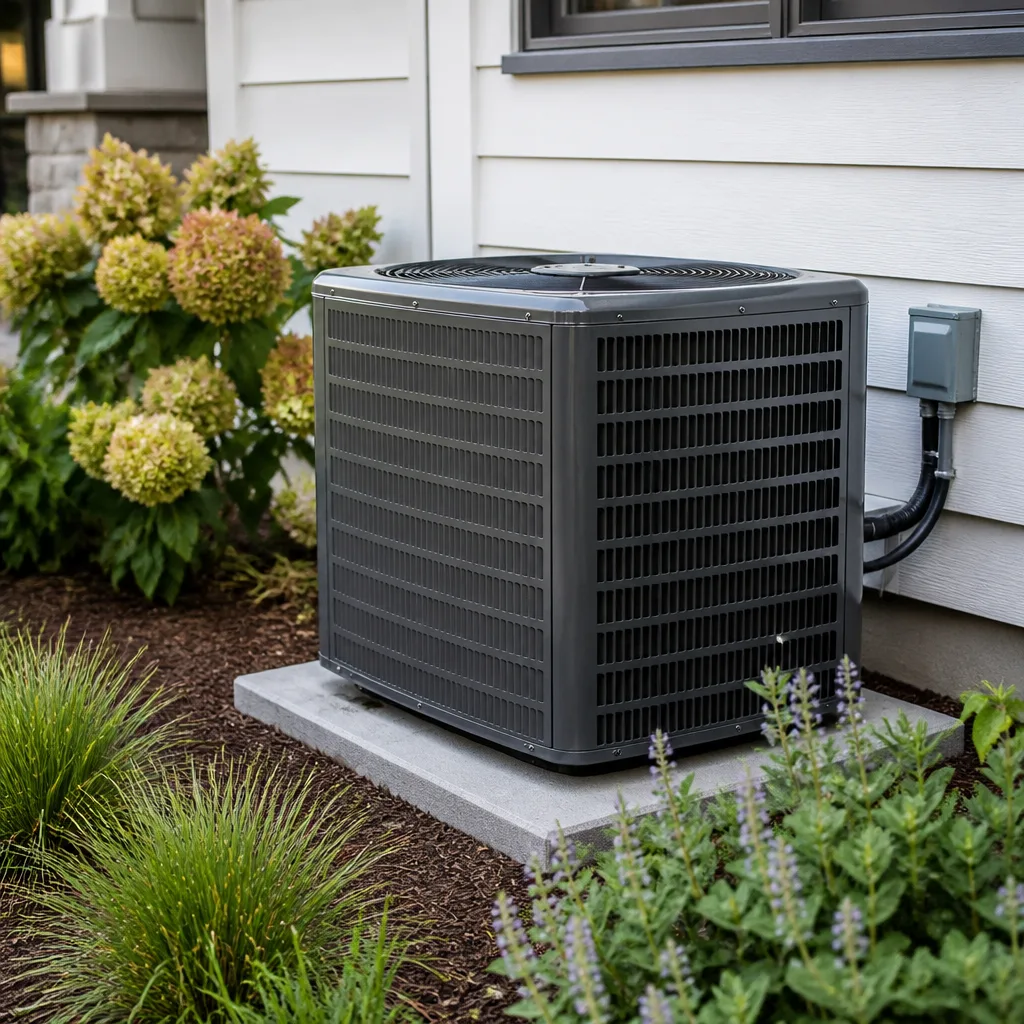 Goodman
Seasonal tune-up and full diagnostic on your Carrier, Trane, or Goodman system - readings shown to you before any repair is proposed
Diagnosis first, numbers second - you approve the repair price before a single part goes in.
Get your free estimateDIY vs Professional HVAC: The Atlanta Homeowner’s Decision Guide
In Georgia, the single most common reason a homeowner starts googling “how to recharge my AC” is the same reason they should stop: refrigerant handling is a federal matter, not a skill question. Purchasing or handling R-410A or R-22 without an EPA Section 608 certification is illegal, full stop. That means before we even talk about what you can handle yourself, we have to draw a legal line most Atlanta guides skip over entirely. This guide walks you through exactly where that line sits, which five maintenance jobs are genuinely safe and worth doing yourself, what a botched repair really costs in Atlanta, and how to decide case by case.
Quick Answer
For homeowners in Atlanta, DIY HVAC work splits into three buckets: maintenance tasks like filter changes and condensate line flushes are safe and worth doing yourself; refrigerant handling, gas-line work, and most electrical repairs are illegal for unlicensed homeowners and should always go to a licensed pro; and the gray zone in between – thermostats, capacitors, contactors – depends on your comfort level and the age of your system. The financial risk cuts one direction: a wrong $12 capacitor installation can destroy a $1,800 compressor. That math is why this guide exists.
Styles & brands we work with
Table of Contents
- Where the Legal Line Actually Sits in Georgia
- The Five Maintenance Tasks You Should Absolutely Do Yourself
- How DIY Work Affects Your Warranty and Insurance
- The Real Cost Comparison: Parts vs Risk-Adjusted Reality
- The Atlanta Homeowner’s Decision Matrix
- Common Mistakes That Turn $180 Repairs into $2,400 Replacements
- When to Call a Professional
- Frequently Asked Questions
Where the Legal Line Actually Sits in Georgia
Georgia law requires anyone performing HVAC contracting work – which includes installation, repair, and service of systems that use regulated refrigerants – to hold a state-issued license from the Georgia Secretary of State’s licensing board. That license takes years of documented field experience to earn. A homeowner working on their own equipment is generally exempt from that requirement, but the exemption ends the moment the work touches anything a licensed technician is specifically required to do.
The tighter constraint comes from the federal level. The EPA’s Clean Air Act Section 608 enforcement has been streamlined in recent years, and the rule is blunt: you cannot purchase, handle, recover, or add refrigerant unless you carry an EPA Section 608 certification. Not a homeowner loophole. Not a “if it’s less than two pounds” exception. You cannot legally buy R-410A in a canister from a supply house or online retailer without a certification number. Some sellers ignore this; you shouldn’t, because the fines are calculated per violation and per day.
Gas lines are the second true legal wall. In metro Atlanta, any work on a natural gas line feeding a furnace, boiler, or water heater falls under the mechanical code enforced by city and county permitting offices. If a homeowner disconnects a gas valve to replace a furnace part and creates a leak, the liability is theirs alone. Insurance doesn’t cover unpermitted gas work that causes damage. An adjuster will look for exactly that.
So the practical legal list for Atlanta homeowners looks like this:
- Off-limits, full stop: refrigerant recovery, adding refrigerant, gas-line disconnection or modification, any live electrical panel work beyond flipping the breaker.
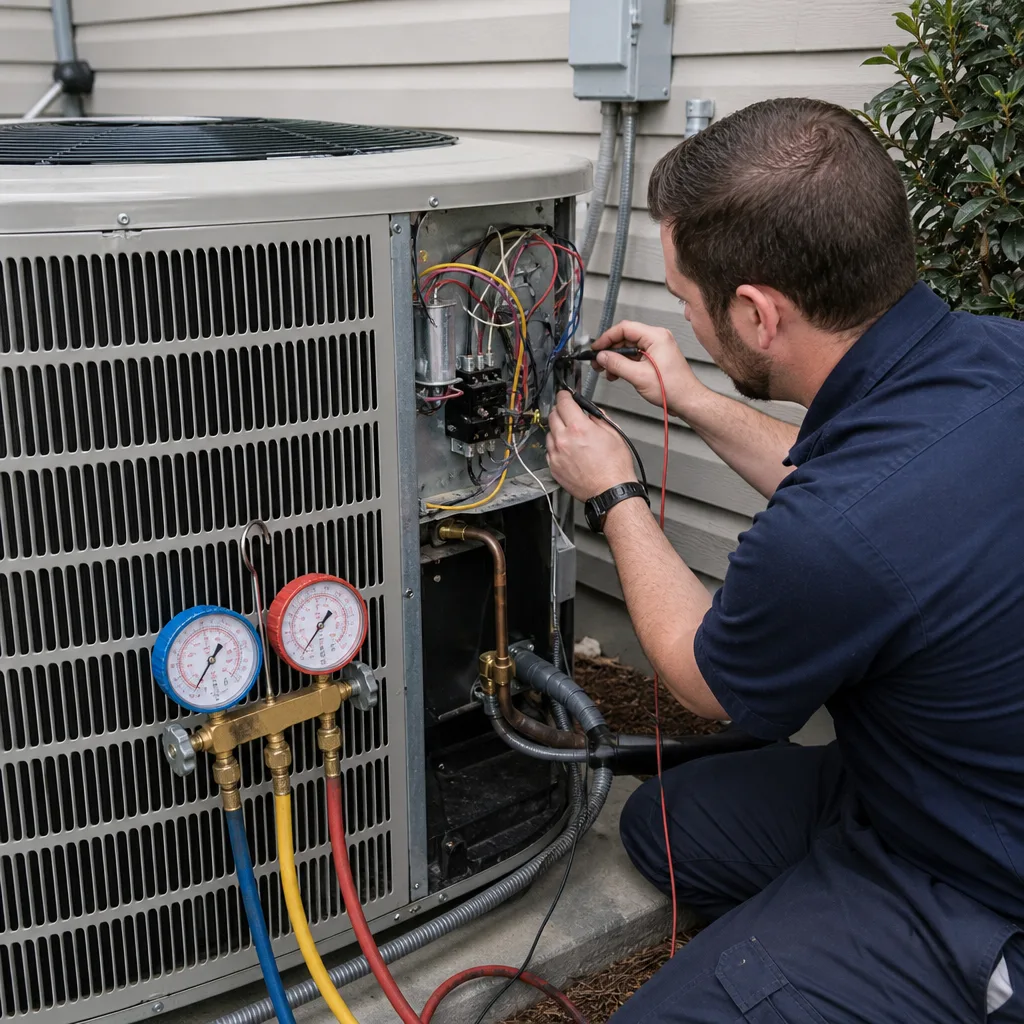
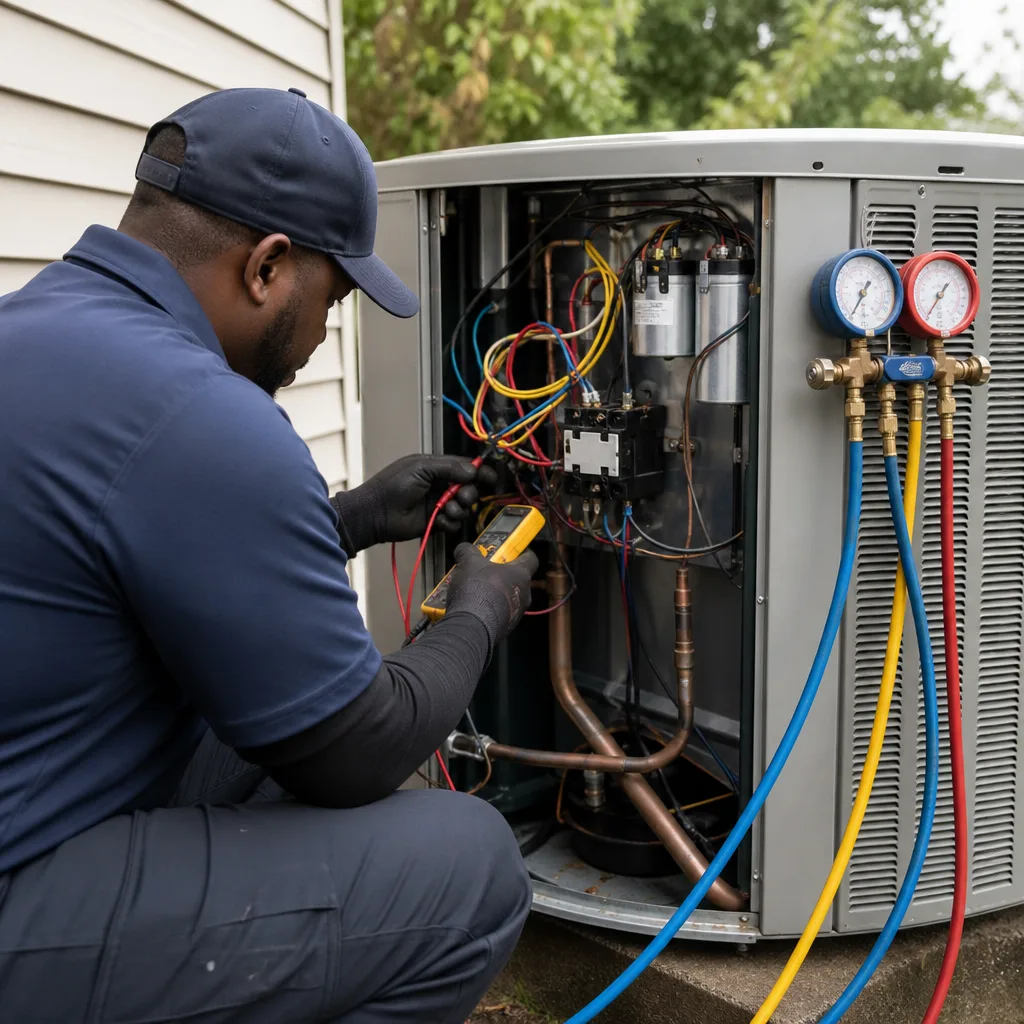
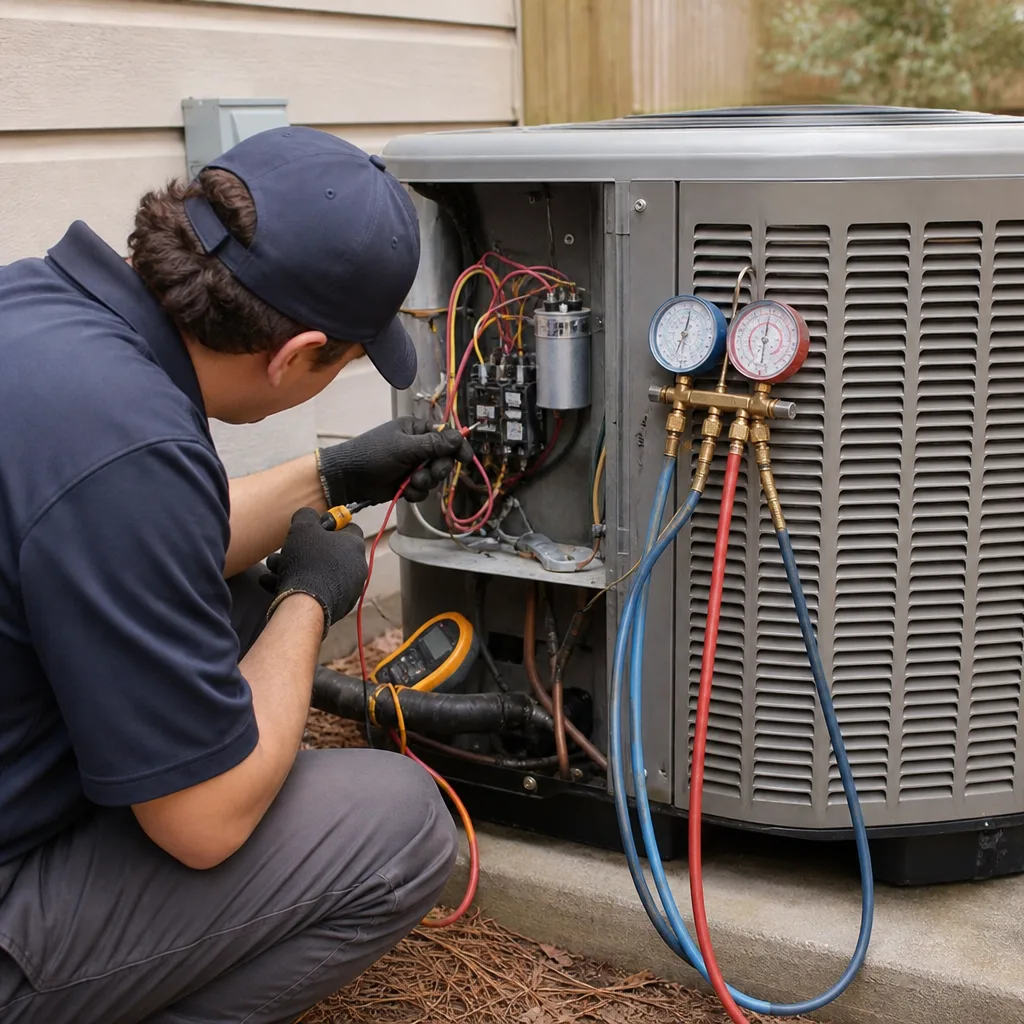
- Allowed but risky: replacing capacitors or contactors inside the condenser cabinet (if you miswire, you can destroy the compressor; more on that below).
- Allowed and safe: filter replacement, thermostat battery swaps, coil cleaning from the outside, condensate drain line flushing, condenser fin brushing.
- Allowed with permits: replacing a condensing unit or air handler – but only if the work is done to code and inspected, which effectively means hiring a licensed contractor.
Victor Mancini, the owner of Cold Harbour Heating and Air Atlanta, puts it plainly: “The legal line isn’t about whether you’re handy. It’s about whether the failure mode of the job creates a hazard to your family or your house. Refrigerant leaks create both.”
The Five Maintenance Tasks You Should Absolutely Do Yourself
There’s a small set of HVAC tasks where paying a technician is simply unnecessary, and doing them yourself extends the life of the system more reliably than any annual service call can. In our experience in Atlanta, the homeowners who do these five tasks consistently get 3 to 5 extra years out of a system, simply because the failure modes they prevent – clogged drains, restricted airflow, corroded coils – are the most common drivers of early compressor death.
- Change the air filter every 30 to 90 days. In Atlanta, the pollen season stretches from late February through early May, and then the city gets another bloom in the fall. If you have a standard 1-inch filter slot, use a MERV 8 pleated filter from a brand like Nordic Pure or Filtrete. Don’t use a MERV 13 unless your system was specifically designed for it – the added resistance reduces airflow across the coil in most older Atlanta homes and raises your electric bill. Write the date on the filter frame with a Sharpie. Works every time.
- Flush the condensate drain line monthly from March through November. This is the white PVC pipe usually running from your indoor air handler toward a laundry sink, floor drain, or outside near the condenser. Atlanta humidity means the evaporator coil pulls gallons of water out of the air daily. That water carries dust and algae, which builds into a clog. Pour one cup of distilled white vinegar into the cleanout tee (it looks like a vertical PVC stub with a cap) once a month. Let it sit 30 minutes, then flush with two cups of warm water. If your drain has a float switch – and most Atlanta installations do – a clog shuts the whole system down before it floods your ceiling.
- Brush the condenser fins every 60 days. The outdoor unit needs airflow across its coil. Cottonwood, pine needles, grass clippings, and Atlanta’s late-summer dust all pack into the fins. Kill power at the disconnect box (the gray box mounted on the wall beside the condenser). Use a soft-bristle paint brush or a dedicated fin brush (around $12 on Amazon) to sweep debris downward, never sideways – bending the fins sideways chokes airflow and requires a fin comb to repair. Then use a garden hose on a gentle spray from the inside of the coil outward. Never use a pressure washer.
- Keep the outdoor unit clear of vegetation. Give the condenser at least 24 inches of clearance on every side. Richmond, Decatur, and older intown Atlanta neighborhoods have mature shrubs that creep toward the unit over a single growing season. Prune them back twice a year. This isn’t cosmetic – a condenser starved of airflow runs hotter, and a hot condenser is the number-one prematurely-aged part on Goodman and Rheem systems we service in the area.
- Check and replace the thermostat batteries in the fall. Before the first cold snap, pop the thermostat off its base and check for a low-battery indicator. Most smart thermostats use hardwired power but keep AA or AAA cells as a backup. If your thermostat is hardwired without a C-wire and the display is flickering, that’s a low-voltage power problem – call someone. Otherwise, swap the batteries in October and again in April, and you’ll never have a no-heat call caused by a dead thermostat in an Atlanta cold front.
The payoff for these five tasks is measurable. In our own service history across Atlanta, systems that get these five treatments annually show noticeably lower rates of compressor failure, which is the single most expensive repair a homeowner can face. Most systems in the metro Atlanta area fail not from old age but from neglect that someone could have prevented for around $25 a year in vinegar, a filter, and a brush.
How DIY Work Affects Your Warranty and Insurance
Here’s the part almost no guide covers, and it’s the most expensive piece of the DIY decision. Every manufacturer’s parts warranty – from Lennox, Goodman, Rheem, York, and the rest – contains a clause that voids coverage if the equipment was “installed, serviced, or repaired by anyone other than a qualified, licensed contractor.” You don’t need to read the fine print on every brand to understand it. The language is consistent. If a compressor fails and the manufacturer’s claim adjuster sees evidence that a non-licensed person opened the refrigerant circuit or replaced an electrical component, the parts claim is denied.
The same applies to a contractor’s labor guarantee. When a licensed Atlanta company pulls a permit and performs a repair, that work is covered by the contractor’s own guarantee, which in our case at Cold Harbour Heating and Air Atlanta is a written 365-Day Done Right Promise: if the repair fails within a full year, we return and correct the work at no charge. That guarantee cannot exist for a homeowner’s own work. The guarantee is a contract – and you can’t write a contract with yourself.
Insurance is the third and perhaps least understood layer. Georgia homeowners insurance policies cover sudden and accidental damage to the home. They generally exclude damage caused by “defective workmanship” or “unlicensed modifications.” If a homeowner repairs a gas valve incorrectly, and the resulting leak causes a fire, the insurer can deny the claim based on the unpermitted, unlicensed work. The homeowner then faces both the loss of the furnace and the repair of the house out of pocket. No amount of “but it worked before” changes that.
One more practical point: when you sell a home in Atlanta, a buyer’s home inspector will look specifically for unpermitted HVAC work. If a replacement condenser was installed without a permit, the inspector flags it, the buyer’s financing can stall, and the seller often pays for a retroactive permit and inspection anyway. We see this in intown neighborhoods like Kirkwood and East Atlanta, where the housing stock is older and replacement equipment has often been swapped by a handyman rather than a licensed contractor. The short-term savings on a DIY install becomes a closing-table liability.
The Real Cost Comparison: Parts vs Risk-Adjusted Reality
The standard argument for DIY HVAC repair is that you can buy a part for less than a technician charges to install it. That’s true, as far as it goes. A run capacitor costs $12 on Amazon. But the honest comparison isn’t $12 versus a $180 capacitor replacement from a licensed contractor in Atlanta. The honest comparison is $12 versus the risk-adjusted cost of what happens if you install it wrong.
Let’s walk through a realistic scenario we have seen repeatedly across metro Atlanta. A homeowner in Sandy Springs notices the AC isn’t blowing cold. They turn off the power, open the condenser cabinet, and replace the capacitor – but the new capacitor is wired to the wrong terminals, or it’s the wrong microfarad rating, or the fan motor is also failing and the homeowner doesn’t know to check it. The compressor now runs with the wrong electrical phase. Within days, the compressor windings overheat and short out. The compressor is dead.
| Scenario | Cost |
|---|---|
| Licensed capacitor replacement in Atlanta, parts and labor | $150 – $280 |
| DIY capacitor from an online retailer | $10 – $20 |
| Compressor replacement after a miswired capacitor (parts + labor + refrigerant + disposal) | $1,800 – $2,600 |
| Full condenser replacement if the system is over 10 years old | $3,200 – $5,500 installed in Atlanta |
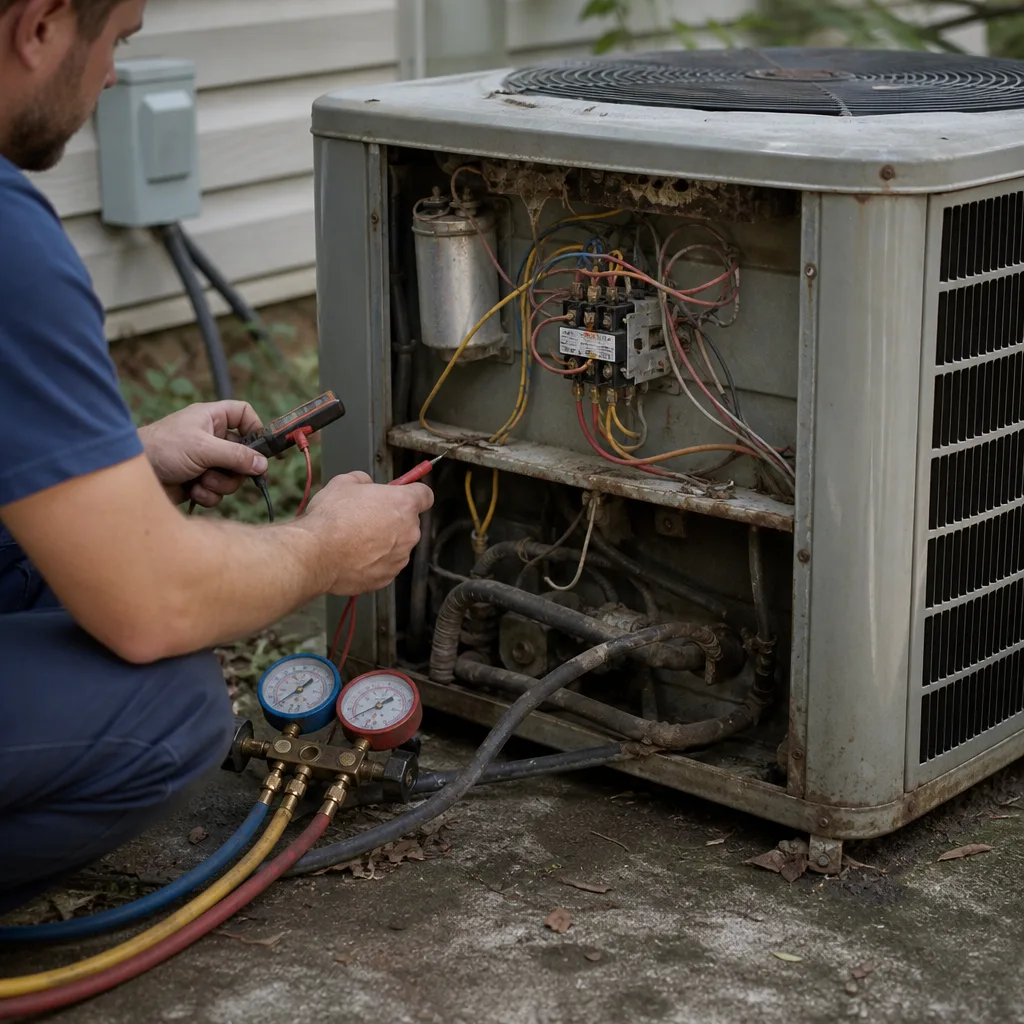
That $12 part just became a $2,400 compressor. And because the compressor failure traces back to unlicensed electrical work inside the cabinet, the manufacturer’s parts warranty will not cover it. The same math applies to contactors, fan motors, and every electrical component inside the condenser. None of these parts are difficult to remove. The difficulty comes from the diagnosis that surrounds them – knowing what a healthy compressor sounds like, what correct voltage looks like, and what else in the circuit may be failing at the same time. That diagnostic knowledge is what a licensed Atlanta HVAC company charges for, and it’s the cheapest part of the bill compared to the cost of getting it wrong.
The risk-adjusted comparison also includes time. A capacitor replacement by a qualified technician takes 45 minutes. A homeowner’s first attempt, including YouTube study, a trip to the supply house that won’t sell them the part without a license, and a failed install, takes the better part of a Saturday. In Atlanta in July, when the outdoor temperature is 95 degrees and the inside of the house is climbing past 85, a failed DIY attempt costs more in discomfort than the service call would have cost in dollars.
The Atlanta Homeowner’s Decision Matrix
The right answer to “DIY or hire a pro?” is never the same for every homeowner or every task. We’ve worked in enough Atlanta homes – from postwar brick ranches in Smyrna to new foam-sealed builds in Johns Creek – to know that the decision should turn on three questions: What is the task? What is the worst thing that happens if I get it wrong? And how comfortable am I with electrical or mechanical work in general? Use this matrix as a sorting tool.
Step 1: Classify the task.
- Maintenance: Filters, drain lines, condenser brushing, thermostat batteries. Always DIY.
- Electrical: Capacitors, contactors, relays, control boards. DIY only if you have specific electrical training and a multimeter you actually know how to use – and even then, understand the compressor risk.
- Refrigerant: Leak checks, recharges, line-set work. Never DIY. Federal law; no exceptions.
- Gas: Valves, burners, manifold pressure, flue pipe. Never DIY. Georgia code and your insurer.
- Mechanical: Fan motors, belts, condensate pumps. Gray zone – safe-ish if you understand wiring, unsafe if the motor capacitor is also failing and you don’t know it.
Step 2: Ask what the worst case is.
If the worst case is “the system doesn’t run and I call someone anyway,” then the cost of trying is low. That’s true for a thermostat replacement. If the worst case is “I kill a $2,000 compressor,” the cost of trying is enormous, and the answer should almost always be a professional. If the worst case is “gas leak or fire,” there is no gray zone. That’s not a handyman job. That’s not even a weekend-warrior job. That’s a licensed Furnace Repair in Atlanta call, and it should be made before you pick up a wrench.
Step 3: Match your comfort level to the consequence.
We’ve met homeowners who rebuild classic cars in their garage and could follow the wiring diagram for a contactor without breaking a sweat. We’ve also met homeowners who should not be changing a capacitor, and that’s fine – that’s why licensed companies exist. The homeowner who installs their own capacitor and gets it right saves maybe $150 to $280. The homeowner who gets it wrong spends $2,400 and three of the hottest Atlanta afternoons of the year waiting for a rescue tech. The risk-reward ratio only favors DIY on the low-consequence tasks, and it shifts hard against DIY on everything else.
Common Mistakes That Turn $180 Repairs into $2,400 Replacements
- Buying an R-410A recharge kit from an online marketplace. Unless the seller asks for an EPA Section 608 certification number, the sale itself is unlawful, and the act of adding refrigerant is a federal violation. We’ve seen prices for gray-market refrigerant canisters rise year over year in Atlanta, and the risk of buying contaminated refrigerant only adds to the problem.
- Replacing a capacitor without checking the fan motor. A failing fan motor often takes the capacitor out with it. Swap the capacitor and leave the dying motor, and the new capacitor fails within weeks – or the motor seizes and takes out the compressor. A professional tests the motor and the capacitor as a pair.
- Pressure-washing the condenser. We see this in Atlanta every single spring. A pressure washer folds the coil fins flat against the coil, reducing airflow to near zero. Repairing that damage costs more than a professional coil cleaning would have cost in the first place.
- Using a MERV 16 filter in a system built for MERV 8. The thicker the filter media, the more resistance to airflow. A MERV 16 in a standard 1-inch slot starves the blower and freezes the coil in Atlanta’s summer humidity. Use the right filter for the slot you have.
- Pulling a permit after the fact. In many Atlanta metro counties, a homeowner can pull a permit for their own HVAC replacement – but if the work was already done without an inspection, applying for a permit after the fact triggers a penalty and a mandatory correction inspection. The money you saved on the contractor now goes to the county.
- Assuming a warranty will cover DIY damage. It won’t. The language is explicit across every major brand we service, including Lennox and Rheem. Unqualified service voids the parts warranty. You self-insure the cost of the part the moment you open the cabinet.
- Doing gas-line work because “it’s just a valve.” In Atlanta, natural gas work that causes property damage is a fast path to a denied insurance claim. The valve itself may be a $40 part. The liability exposure runs into the five figures. This one should never be a weekend project.
When to Call a Professional
Call a licensed Atlanta HVAC contractor any time the work touches refrigerant, a gas line, or the electrical circuit inside the condenser cabinet. Call when you hear a new sound – a hiss, a buzz, or a rattle that wasn’t there before – because these are early-warning signals from a system that may be days from failure. Call when the system is short-cycling, when it freezes, when the outdoor unit runs but the air inside the house doesn’t move. And call when the system is over 12 years old and has never been fully evaluated – because at that age, an experienced technician can often spot a failing component before it takes out the compressor with it. Cold Harbour Heating and Air Atlanta offers free estimates in Atlanta – call (478) 223-8776 and our technicians will give you a written price before any work begins. No pressure. No surprises. Just a fair number on a piece of paper.
Frequently Asked Questions
Yes, Georgia law permits a homeowner to perform maintenance and some repairs on their own residential equipment, but federal law prohibits any refrigerant handling without an EPA Section 608 certification, and Atlanta metro codes restrict gas-line work to licensed professionals.
By far the most damaging DIY task we see in Atlanta is capacitor replacement inside the condenser cabinet – a miswire takes out a compressor in days, and the resulting $1,800 to $2,600 repair is not covered by any warranty.
No. The EPA requires a Section 608 certification to purchase, handle, or add refrigerant, and that has been federal law since the 1990s. Doing it anyway is a violation, and using adulterated or counterfeit refrigerant can destroy the system.
Most common repairs in the Atlanta market run between $150 and $350. That includes diagnostics, parts, and labor for jobs like capacitor replacement, contactor replacement, igniter swaps, and condensate pump replacement. A written estimate from us serving Atlanta homeowners comes in that same range, and our 365-Day Done Right Promise means if the repair fails within a year, we return and fix it free.
Yes, in almost every case. Lennox, Goodman, Rheem, York, and the other major brands all include similar warranty language that excludes damage or failure caused by unqualified service. The parts claim will be denied if evidence points to a homeowner opening the refrigerant circuit or the electrical cabinet.
Look for three things: a written price before work begins, a written guarantee that covers the repair for at least a year, and a live person who answers the phone. That’s the standard we’ve held at Cold Harbour Heating and Air Atlanta since 2003, and it’s the standard homeowners in every Atlanta neighborhood deserve. For AC Installation in Atlanta with a written, fixed price and a scheduled install date – no surprise add-ons – call (478) 223-8776.
The Bottom Line
The DIY-versus-pro decision in Atlanta isn’t about how handy you are. It’s about where the law draws a line, and where a small mistake turns into a very expensive repair. Do the maintenance yourself: filters, drain lines, condenser brushing, thermostat batteries. Those five tasks genuinely save money and extend the life of the system. For anything involving refrigerant, gas, or the wiring inside the condenser, call a licensed Atlanta pro. For more guides & resources on keeping your system running, explore our blog. The price of a service call is cheap insurance against a $2,400 compressor replacement. And when that service call happens, it should come with a written price and a written guarantee. That’s been our standard at Cold Harbour Heating and Air Atlanta since 2003, and it’s the standard every homeowner deserves.
Written by Victor Mancini, Owner at Cold Harbour Heating and Air Atlanta, serving Atlanta since 2003.
See the difference
 Before
 After
After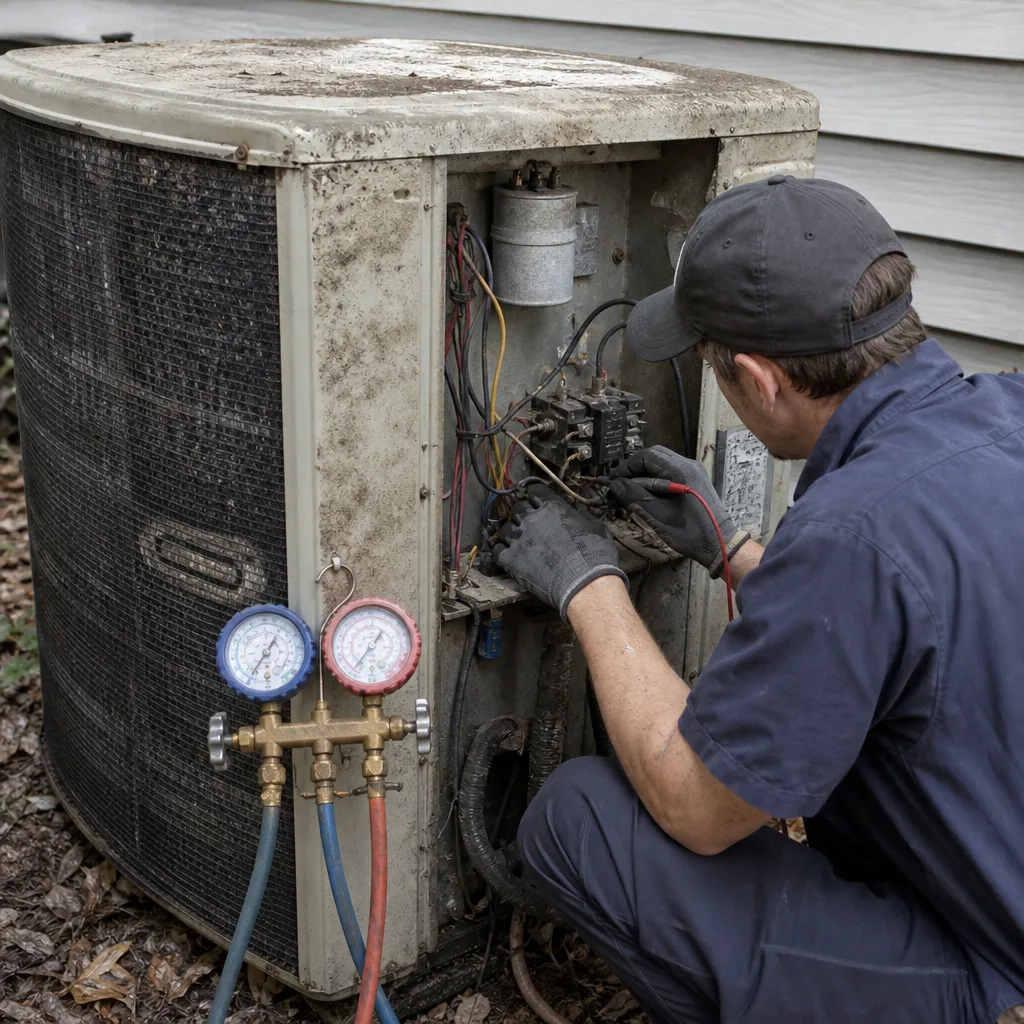 Before
 After
After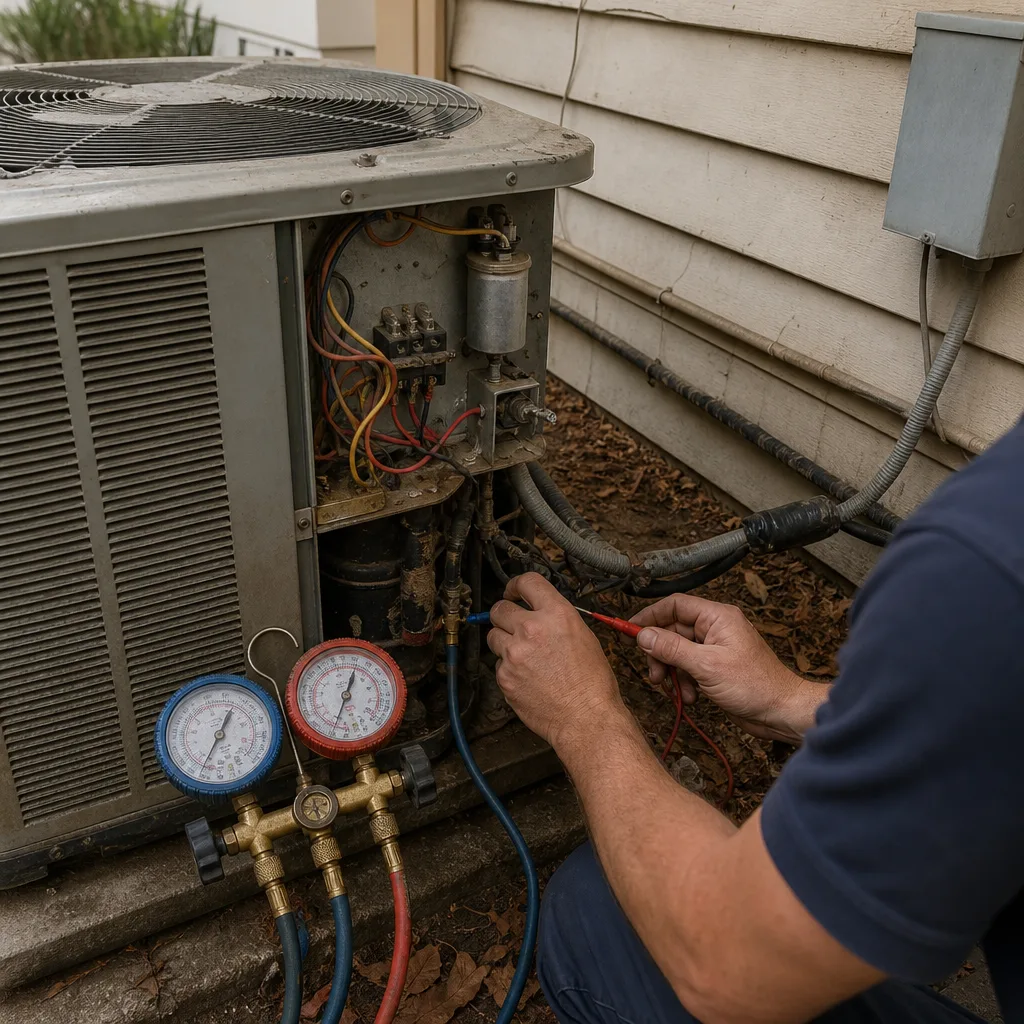 Before
 After
After