
Last updated October 16, 2026
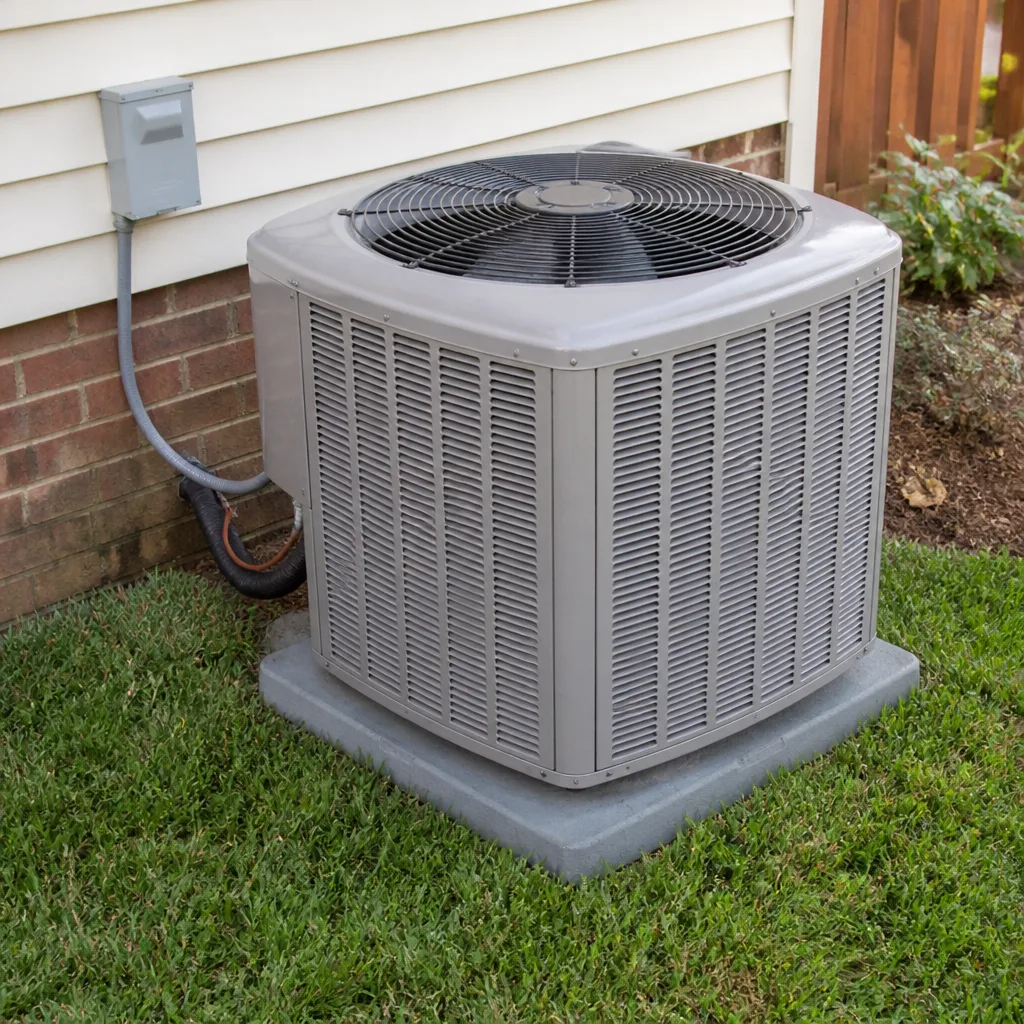 AC repair
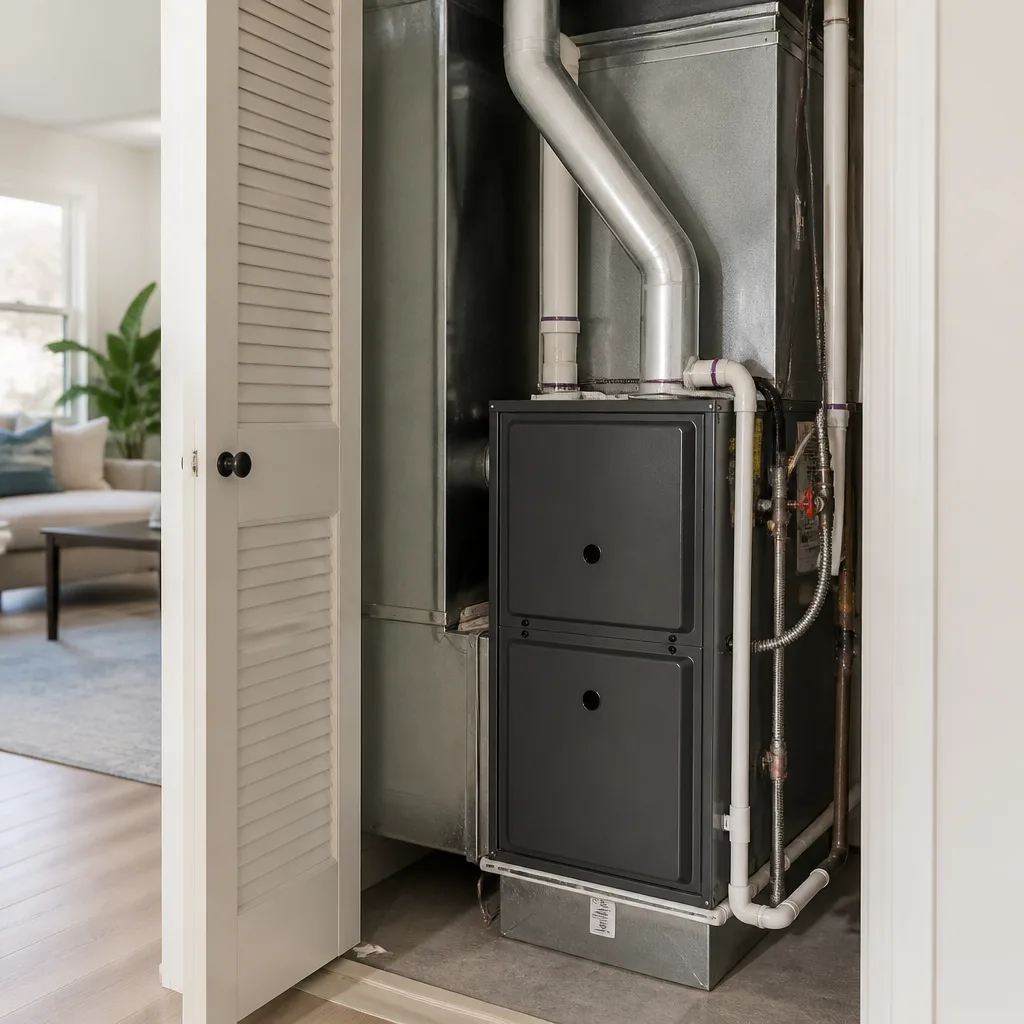 Furnace & heating
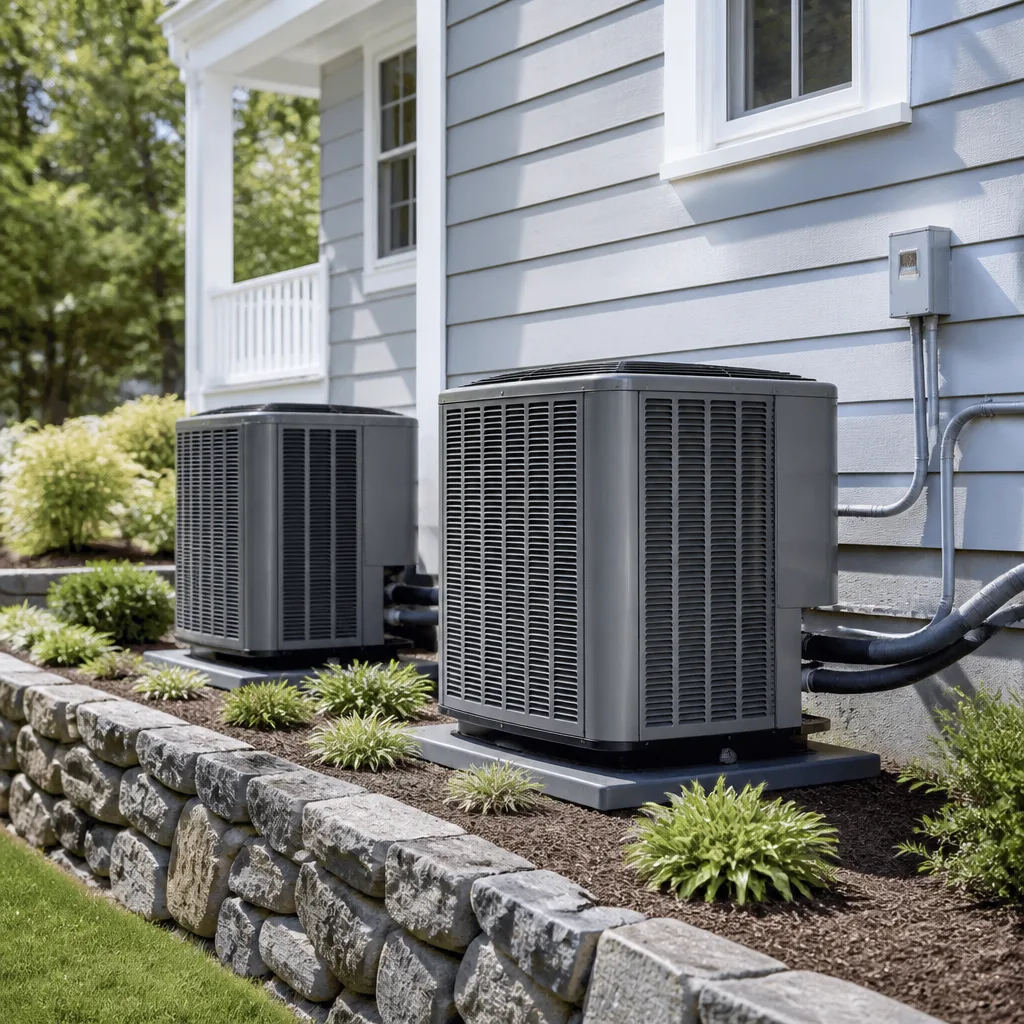 Heat pumps
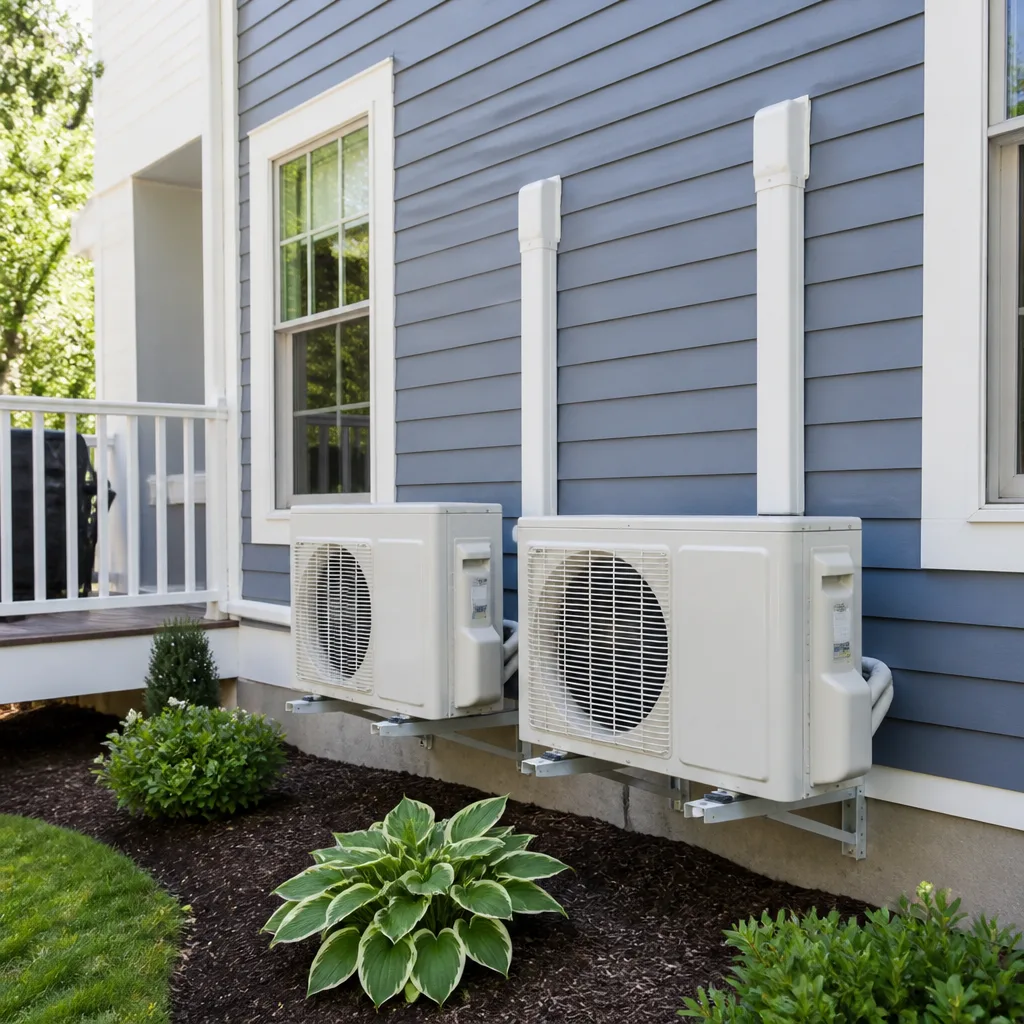 Ductless mini splits
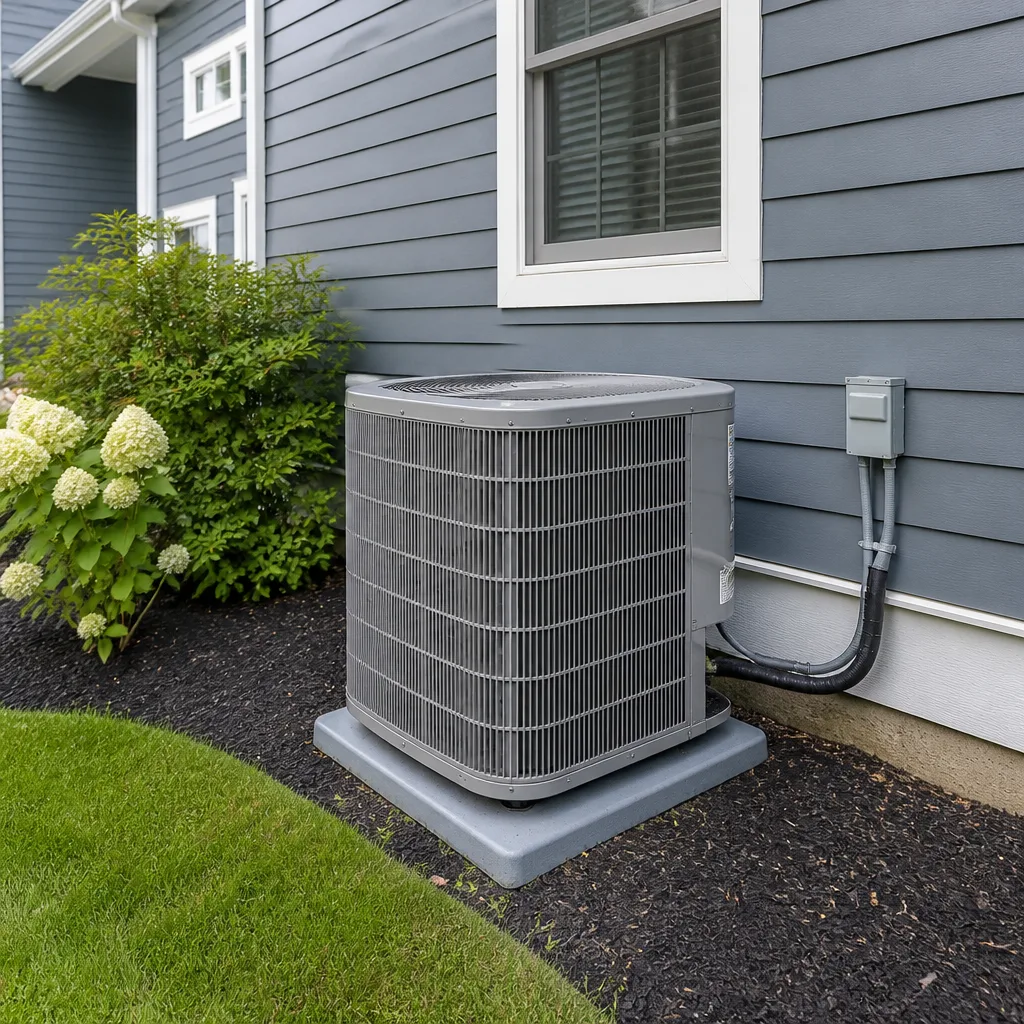 Carrier
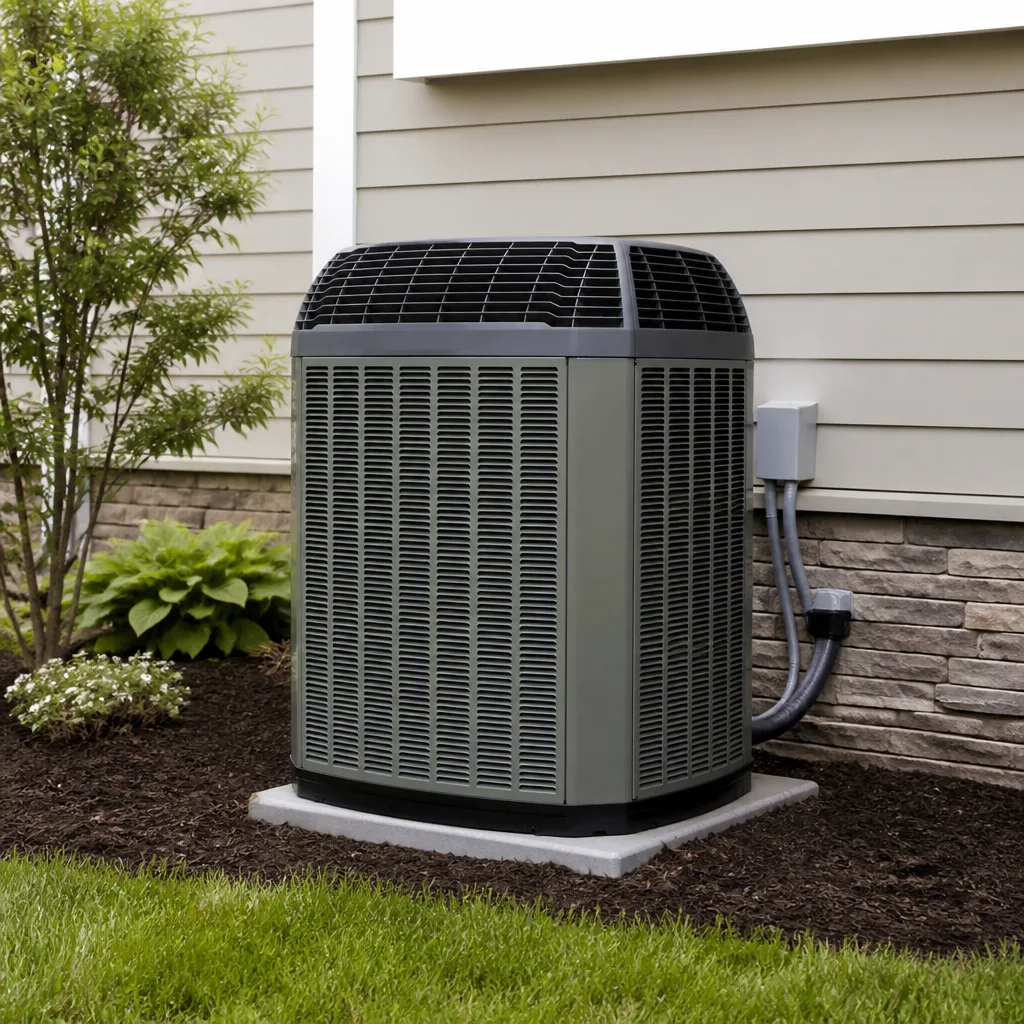 Trane
Trane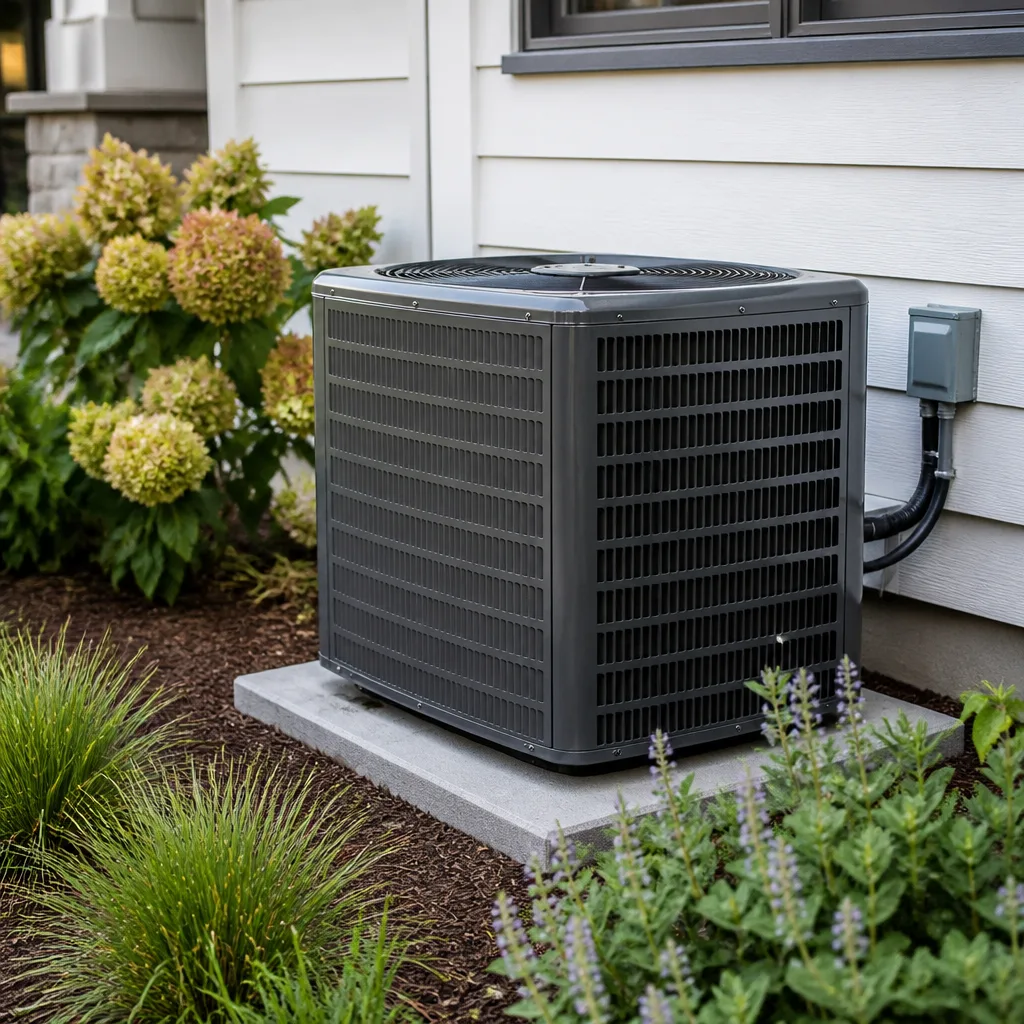 Goodman
Seasonal tune-up and full diagnostic on your Carrier, Trane, or Goodman system - readings shown to you before any repair is proposed
Diagnosis first, numbers second - you approve the repair price before a single part goes in.
Get your free estimateHVAC Permits, Codes & Inspections in GA: What You Need to Know
Here’s a number most Atlanta homeowners never hear until it’s too late: roughly four out of ten HVAC replacements in the metro area were installed without the county permit the law required. That means when the house goes up for sale, or when a compressor fails and the insurance adjuster asks for documentation, the homeowner is holding the bag. An unpermitted installation can void a claim, stall a closing, and in some counties trigger a removal order before the new buyers will sign. This guide walks through the actual permit rules across metro Atlanta’s six largest counties, what the inspector checks, how to look up your own home’s permit history, and the retrofit process if you discover the previous owner skipped the paperwork. For more guides & resources on keeping your home’s systems running smoothly, see our blog.
Styles & brands we work with
Quick Answer
HVAC permits in Georgia are issued and enforced at the county level, not the state level. In metro Atlanta, most replacements of an existing furnace, air conditioner, or full system require a mechanical permit from the county where the home sits. The permit verifies that the installation meets the Georgia State Minimum Standard Building Code and the manufacturer’s installation instructions, and it creates the public record you will need for insurance claims and resale. A contractor who says a permit “isn’t necessary for a swap-out” is wrong in Fulton, DeKalb, Cobb, Gwinnett, Cherokee, and Clayton counties.
Table of Contents
- Why Do Georgia Counties Require HVAC Permits?
- County-by-County Permit Rules in Metro Atlanta
- What the Inspector Actually Checks During an HVAC Inspection
- How to Look Up Whether a Permit Was Pulled on Your System
- The Legal Exposure Homeowners Carry With Unpermitted Work
- The Retrofit Permit Process: What to Do If the Previous Owner Skipped It
- What an HVAC Installation Permit Costs in Metro Atlanta
- Common Mistakes to Avoid
- When to Call a Professional
- Frequently Asked Questions
- The Bottom Line
Why Do Georgia Counties Require HVAC Permits?
Georgia does not have a single statewide HVAC permit office. The state adopted a set of minimum building codes, and each county enforces them through its own permitting department. That means the inspector in Fulton County works for Fulton County, not for a state agency. The same job at the same house can face different paperwork requirements depending on whether the front door opens into DeKalb or Gwinnett.
The permit serves three purposes. First, it gives the county a record that a licensed contractor performed work that touches your home’s structure, electrical wiring, and fuel lines. Second, it triggers an inspection by a third party who verifies the work matches code before the walls or attic access are closed up. Third, it creates the paper trail a future lender, insurance carrier, or homebuyer will look for when they ask whether the system was installed correctly.
In our experience across Atlanta, we see the same pattern play out repeatedly. A homeowner replaces a 20-year-old furnace through a low-bid contractor who says “you don’t really need a permit for a swap,” the job gets done in a day, and the homeowner saves a few hundred dollars. Three years later the house is under contract and the home inspector asks for the mechanical permit number. It doesn’t exist. The closing stalls or caves. That short-term saving often becomes a long-term cost.
A licensed Atlanta HVAC contractor pulls the permit before the equipment arrives. The permit number belongs to the homeowner’s address, stays in the county database, and transfers with the house. That record is not optional paperwork. It is the proof that the installation is legal.
County-by-County Permit Rules in Metro Atlanta
The rule that surprises most homeowners is that replacement permits are required almost everywhere, not just for new construction. Here is how the six largest metro Atlanta counties handle mechanical permits for HVAC work.
Fulton County
Fulton County requires a mechanical permit for any installation, replacement, or relocation of a furnace, air conditioner, heat pump, or duct system. This includes the city of Atlanta, which operates its own permitting office through the Department of City Planning. A licensed HVAC contractor holds the Georgia Conditioned Air Contractor license, and the permit must be on file before the equipment is set. Fulton County inspectors verify that refrigerant line connections, electrical disconnects, and condensate lines meet the current code cycle.
DeKalb County
DeKalb County pulls no punches on this: a mechanical permit is required even when you’re replacing “like for like” equipment. DeKalb inspectors are particularly strict about attic access clearances and secondary drain pan requirements for systems installed above finished ceilings. Homeowners in Decatur, Dunwoody, and Stone Mountain fall under this permitting umbrella.
Cobb County
Cobb County requires a permit for HVAC replacement, and its inspection office is one of the more efficient in the region. The permit includes an electrical portion for the disconnect and circuit sizing. Cobb inspectors routinely photograph data plates on the condenser and air handler during the final inspection, matching the model and serial number to what was listed on the permit application.
Gwinnett County
Gwinnett County treats HVAC permits as a combined mechanical and electrical permit. The county’s online portal, SmartGov, allows homeowners to look up permits by address in about five minutes. Gwinnett inspectors are known for checking condenser pad leveling and minimum equipment clearances more carefully than some neighboring counties.
Cherokee County
Cherokee County requires a mechanical permit for full system replacements, furnace swaps, and AC-only replacements. One difference here: Cherokee has portions of the county that are on well water and septic rather than city utilities, but that doesn’t change the HVAC permit requirement. The county’s building inspection division handles HVAC permits through its own portal, and homeowners in Woodstock, Canton, and Holly Springs should expect the same inspection rigor as in Cobb or Gwinnett.
Clayton County
Clayton County requires a mechanical permit for HVAC installation and replacement, including ductwork modifications. The county’s permit office is smaller, and inspections sometimes take an extra day or two to schedule compared to Fulton or Cobb. Homeowners in Jonesboro, Morrow, and Riverdale should plan for that scheduling buffer when lining up a replacement.
What Still Triggers a Permit at a Glance
- Full system replacement: always requires a permit in all six counties
- Furnace-only or AC-only replacement: requires a permit in every county listed above
- Ductwork replacement or relining: requires a permit when more than a short flex run is changed
- Thermostat swap: no permit required
- Capacitor, contactor, or igniter replacement: no permit required; this is a repair, not an installation
The line between repair and replacement matters. Replacing a failed capacitor inside a 5-year-old condenser is maintenance, and no county requires a permit for that. But when the condenser itself leaves the pad and a new one takes its place, the job crosses into installation territory, and the permit requirement kicks in.
What the Inspector Actually Checks During an HVAC Inspection
An HVAC inspection in Georgia is not a performance review. The inspector isn’t measuring the system’s cooling capacity or the temperature drop across the coil. The inspector is verifying that the installation matches the submitted permit and that the work complies with the building code sections covering safety. Here’s what the inspector actually walks through.
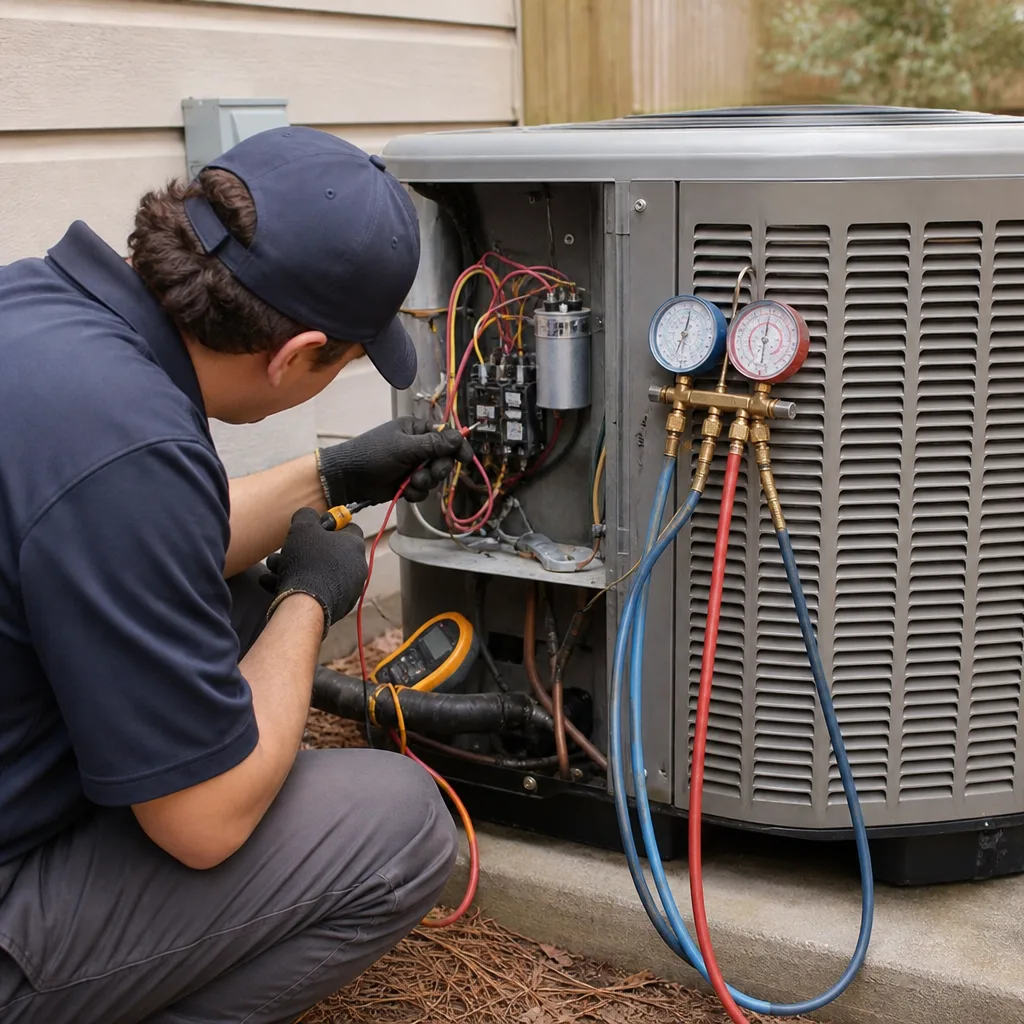
- Refrigerant line insulation. The suction line, the larger copper pipe that carries the cooling fluid back to the outdoor unit, must be insulated along its entire exposed run. An uncovered line drips condensation and loses efficiency. Inspectors will flag bare copper every time.
- Electrical disconnect clearance. The outdoor unit must have a disconnect switch within sight and within the code-required distance from the condenser. The inspector verifies the disconnect shuts off power to that specific unit and that the working clearance in front of it is not blocked by shrubs, a fence, or the unit itself.
- Condensate drainage. The inspector checks that the condensate line runs downhill, includes a cleanout and a P-trap where required, and terminates outside at a legal point. A secondary drain pan with a shutoff switch is mandatory for air handlers installed above finished ceilings and in many attic installations across metro Atlanta.
- Equipment data plate match. The inspector reads the data plate on the furnace, air handler, and condenser, then compares the model and serial number to the permit application. A mismatch means the contractor installed a different unit than the one permitted, which fails the inspection immediately.
- Combustion clearance for gas furnaces. The clearance from the furnace cabinet to combustible materials must meet the manufacturer’s installation instructions and the adopted code. In Georgia, the manufacturer’s instructions carry the force of code when they specify a tighter clearance.
- Flue and intake piping. For 90%+ efficiency furnaces, the inspector checks that the PVC intake and exhaust pipes terminate with the correct clearances from windows, doors, and grade. Sloppy flue piping is one of the most common failure points in Atlanta-area installations.
Most inspections take twenty to thirty minutes. The inspector usually approves the job on the same visit or writes a correction notice listing the specific items that must be fixed before a reinspection. A contractor who has done Atlanta work for years will typically pass on the first visit. A handyman installing a Carrier or Goodman unit on a weekend usually gets a correction list.
How to Look Up Whether a Permit Was Pulled on Your System
This is the step almost nobody takes, and it takes less than ten minutes. Every county in metro Atlanta that enforces permits has a public portal where you can search by address. Here is how to check your own house.
- Find your county’s permit portal. Fulton, DeKalb, Cobb, Gwinnett, Cherokee, and Clayton each run an online database. Search by your street address, not by contractor name. The permit lives with the property.
- Filter for mechanical or HVAC permits. Most portals list all building permits for the address. Look for entries labeled “Mechanical,” “HVAC,” “Conditioned Air,” or “MECA.”
- Match the date to your system’s age. If your condenser data plate shows a 2017 manufacture year, look for a mechanical permit issued in 2017 or early 2018. A missing entry for that date range is a red flag.
- If nothing comes up, call the permitting office. Some older permits were never digitized. The clerk can check paper records for your street. A ten-minute phone call often turns up a permit that the online portal missed.
- Save a copy for your files. A PDF of your permit record goes in the same folder as your closing documents and your insurance policy. Future you will be glad it’s there.
We walk through this lookup with homeowners all over Atlanta. It’s the cheapest insurance step available, and it costs nothing but a few minutes at the keyboard.
The Legal Exposure Homeowners Carry With Unpermitted Work
When a homeowner knowingly allows a contractor to complete an HVAC installation without a permit, the homeowner inherits the problem, not the contractor. Georgia law places the responsibility for building permits on the property owner in most jurisdictions, and county code enforcement offices treat the homeowner as the responsible party when no permit exists.
An unpermitted installation can void or complicate a homeowner’s insurance claim. If a condenser fire or a furnace failure causes property damage, the insurance adjuster will often ask for the installation permit as part of the claim review. No permit often means the carrier declares the work defective and denies coverage for the damage.
At resale, the exposure sharpens. Buyers and their lenders typically ask for seller disclosures that include whether major mechanical systems were installed with permits. A home inspector who finds a recently installed system with no matching permit record will flag it in the inspection report. Lenders may refuse to move forward until the permit is retroactively obtained and the system passes an inspection.
In Atlanta’s neighborhood-heavy markets, from Buckhead to Sandy Springs to East Cobb, this issue surfaces constantly in real estate transactions. A system that looked fine during the showing becomes a contract contingency at the closing table.
The Retrofit Permit Process: What to Do If the Previous Owner Skipped It
Discovering that your home’s HVAC system was installed without a permit feels lousy, but it is fixable. Every county in metro Atlanta has a process for retroactive permitting, often called an “after-the-fact” permit or a “retrofit permit.” Here’s how the process works.
- Disclose it to the county. Call the permitting office and explain that the system appears to have been replaced before you bought the home and no permit record exists. Be honest about what you know.
- Get a licensed contractor to inspect the system. A Georgia Conditioned Air Contractor inspects the install against current code and identifies any safety or compliance failures. This contractor will file the retrofit permit application on your behalf.
- Schedule the county inspection. The inspector treats this as a new permit inspection. The same code items apply: disconnect clearance, refrigerant line insulation, condensate drainage, data plate match, and flue piping if gas-fired.
- Correct any failures. In our experience, retrofit installations fail most often on missing insulated suction lines, improper condensate termination, and undersized or wrongly routed flue pipes on high-efficiency furnaces.
- Receive your permit. Once the inspector signs off, the retrofit permit converts the installation into a legal, code-compliant system with a public record. You can then close your sale, satisfy your insurer, or simply rest easier.
Typical retrofit permitting in metro Atlanta runs from $250 to $600 for county fees plus the contractor’s inspection and application time. If code corrections are needed, materials and labor add to that figure. A same-day discovery is always cheaper than a discovery at the closing table.
What an HVAC Installation Permit Costs in Metro Atlanta
Permit fees in Georgia vary by county, and the fee typically scales with the value of the work being permitted. Here are the actual ranges we’ve seen across metro Atlanta in the past two years.
- Fulton County / City of Atlanta: $85 – $250 for a typical residential HVAC replacement, depending on system value
- DeKalb County: $100 – $275
- Cobb County: $90 – $240
- Gwinnett County: $95 – $260
- Cherokee County: $80 – $230
- Clayton County: $75 – $200
These figures cover the county permit only. The contractor also charges for providing documentation, attending the inspection, and handling the scheduling. At Cold Harbour Heating and Air Atlanta home, the permit is included in the quoted price on every AC Installation in Atlanta we perform. You’ll see the permit line item on your written quote before any work is approved.
Common Mistakes to Avoid
- Believing a swap-out needs no permit. Every metro Atlanta county requires a permit when the condenser, furnace, or air handler leaves the home. “Like for like” changes the equipment, not the requirement.
- Letting the contractor decide whether to pull the permit. The homeowner’s address gets tagged with the violation if the work is unpermitted. You should insist the permit be pulled before the equipment lands on the pad.
- Skipping the permit lookup before buying a home. Ten minutes on a county portal can expose an unpermitted system before you sign, not after.
- Accepting a low bid that excludes the permit. If one bid is dramatically lower, ask whether it includes the permit, the inspection, and the permit fee. Quietly omitted permits are a classic way to undercut an honest quote.
- Ignoring the data plate mismatch. If the installed unit’s model number doesn’t match what the permit lists, the county considers the system unpermitted until the record is corrected.
- Running flex duct under a deck without a permit. Ductwork additions outside conditioned space still require review. Atlanta inspectors see a lot of illegal flex runs under decking and they write correction letters for them.
When to Call a Professional
You should call a licensed HVAC contractor anytime the conversation shifts from “is my system working?” to “is my system legal?” That includes replacing any furnace, air conditioner, heat pump package, or coil set, and any situation where you’ve discovered the previous owner’s install has no permit on record. A trained technician can also identify the subtle code failures most homeowners miss: a condensate line that drains into the crawlspace instead of outside, a disconnect buried behind a shrub, flue piping that terminates under a deck. If you’re in Atlanta and suspect your system was never permitted, AC Repair in Atlanta and Furnace Repair in Atlanta work begins with a code and safety review, not just a parts swap. Cold Harbour Heating and Air Atlanta offers free estimates in Atlanta, call (478) 223-8776.
Frequently Asked Questions
Yes, a mechanical permit is required to replace your air conditioner in every Atlanta metro county including Fulton, DeKalb, Cobb, Gwinnett, Cherokee, and Clayton. The permit triggers an inspection that verifies the installation meets code and matches the permit application. If a contractor tells you a permit isn’t needed, find another contractor. Call (478) 223-8776 to verify your installation’s permit status or to schedule a code-compliant replacement in Atlanta.
The licensed HVAC contractor typically pulls the permit on your behalf, and it is filed under your property address. In our experience, the contractor who handles the permit is the contractor who knows the local inspection standards. Homeowners should confirm in writing that the permit is included in the quoted price.
The home inspector flags the system, the lender may pause the closing, and you may have to complete a retrofit permit before the sale can close. In Atlanta’s competitive market, that discovery has cost sellers weeks and occasionally cost them the deal itself.
A retrofit or after-the-fact permit in metro Atlanta typically runs from $250 to $600 in county fees plus contractor time. If the inspection uncovers code failures such as missing refrigerant line insulation or illegal flue piping, correction costs add to that total. The exact figure depends on the county and the condition of the existing install.
Georgia requires anyone performing HVAC installation work for compensation to hold a Conditioned Air Contractor license. A homeowner installing their own system may be allowed in some counties, but the work still must be permitted, inspected, and it must meet every code requirement a licensed crew’s work must meet. We strongly recommend against it.
The permit covers the installation regardless of brand. Whether you’re installing a Goodman, Lennox, Trane, or Carrier system, the county process is identical. The equipment data plate must match the permit application, and the county inspects the same code items regardless of the brand name on the cabinet.
The Bottom Line
HVAC permits in Georgia are a county-level requirement, and every metro Atlanta county enforces them for replacements as well as new installations. A permit verifies the work meets code, creates an insurance trail, and protects your sale value. The cost is a small fraction of the exposure you carry without one. If you’re replacing a system, insist the permit is included in your written quote. If you already own the house and aren’t sure, run the ten-minute address lookup. And if the record is missing, file the retrofit permit now rather than at the closing table. The permit is not a formality. It is the difference between an HVAC system and an HVAC problem with your name on it.
Written by Victor Mancini, Owner at Cold Harbour Heating and Air Atlanta, serving Atlanta since 2003.
See the difference
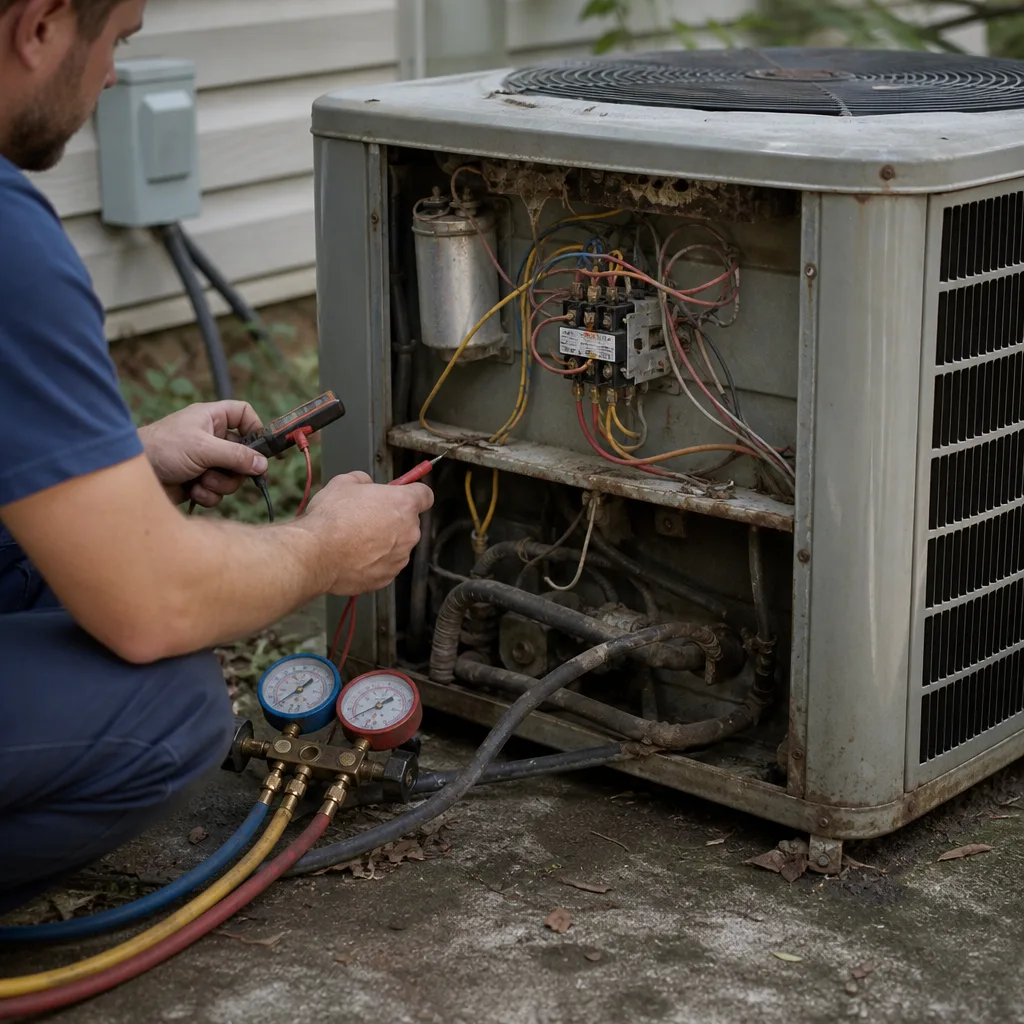 Before
 After
After Before
 After
After Before
 After
After