
Last updated October 16, 2026
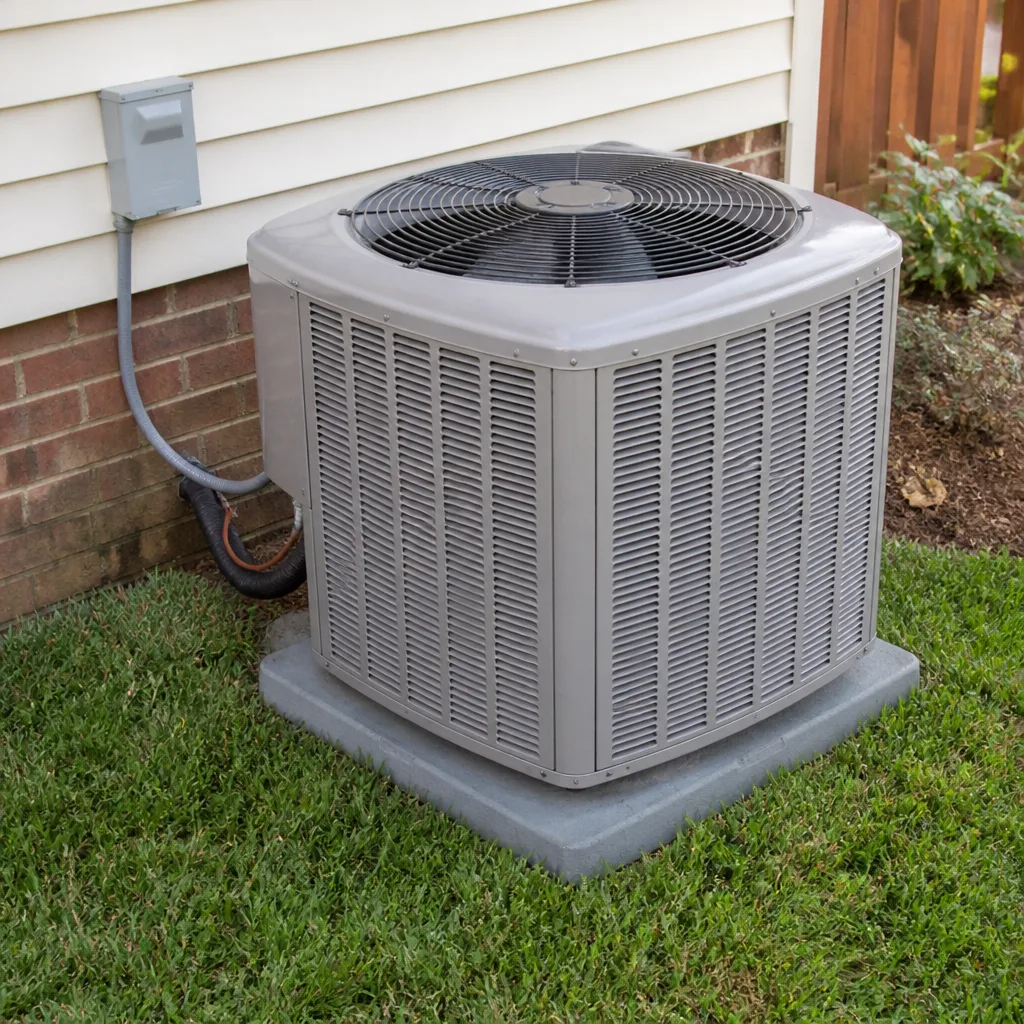 AC repair
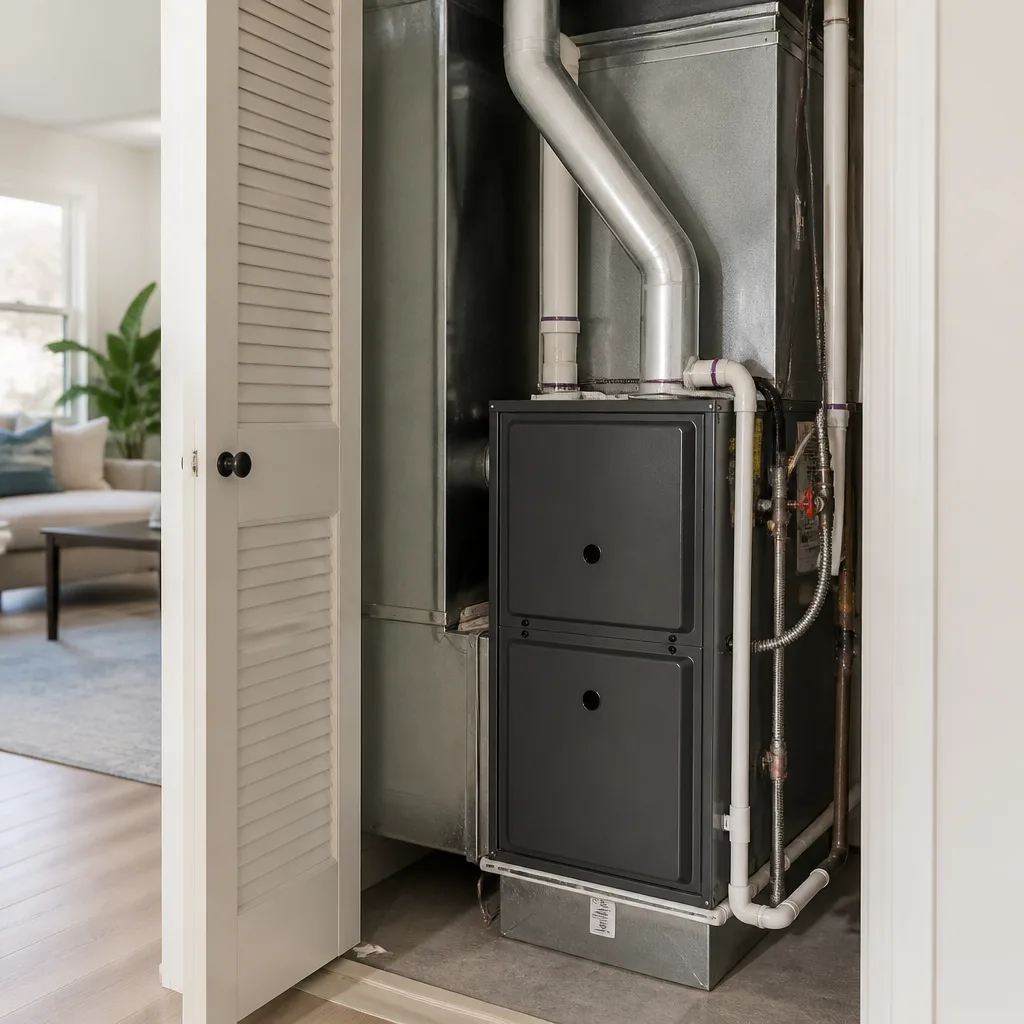 Furnace & heating
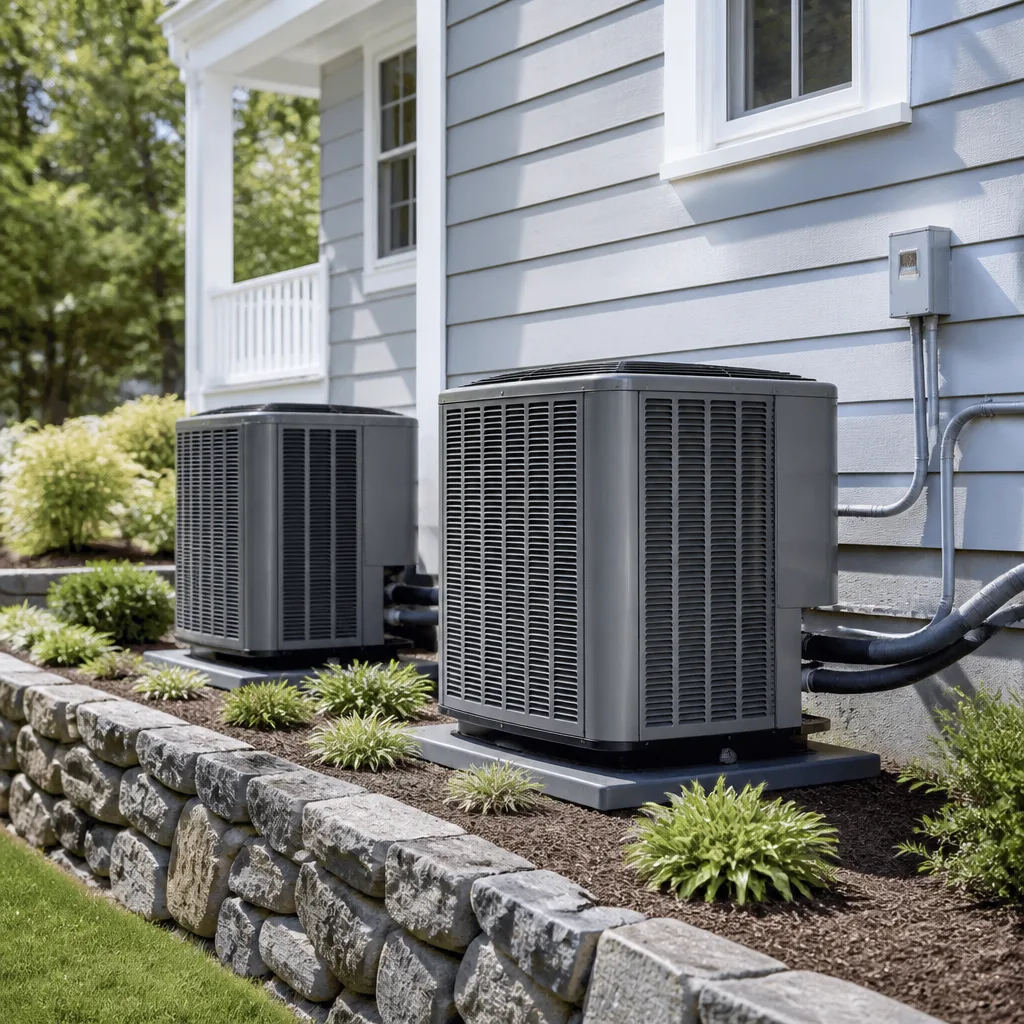 Heat pumps
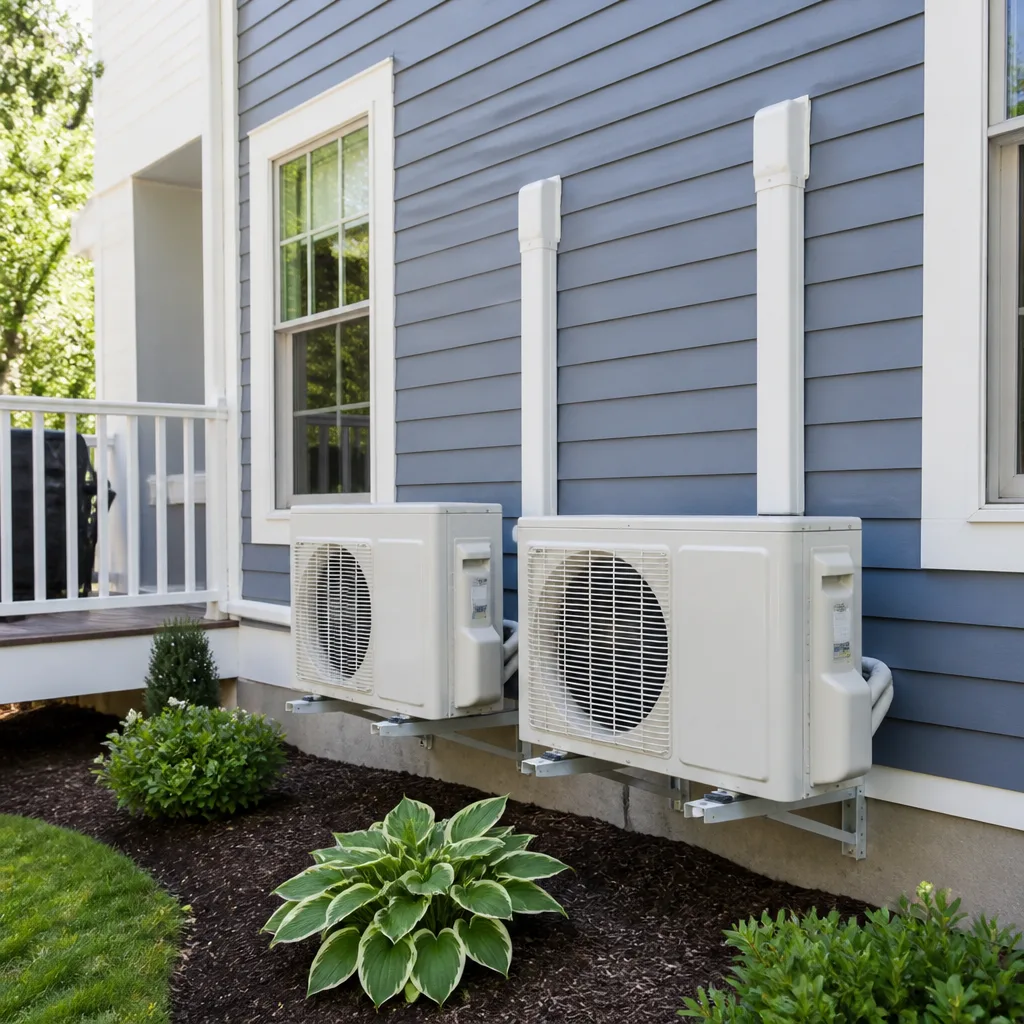 Ductless mini splits
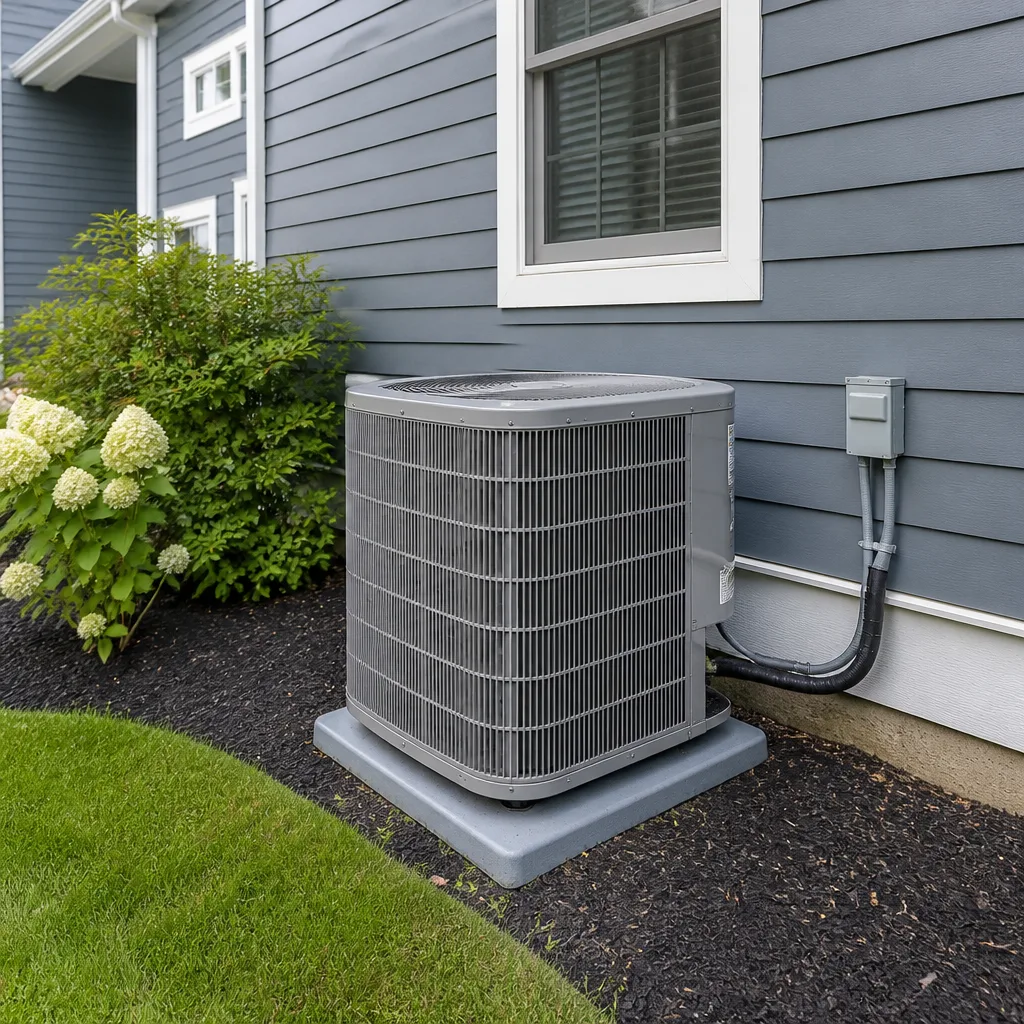 Carrier
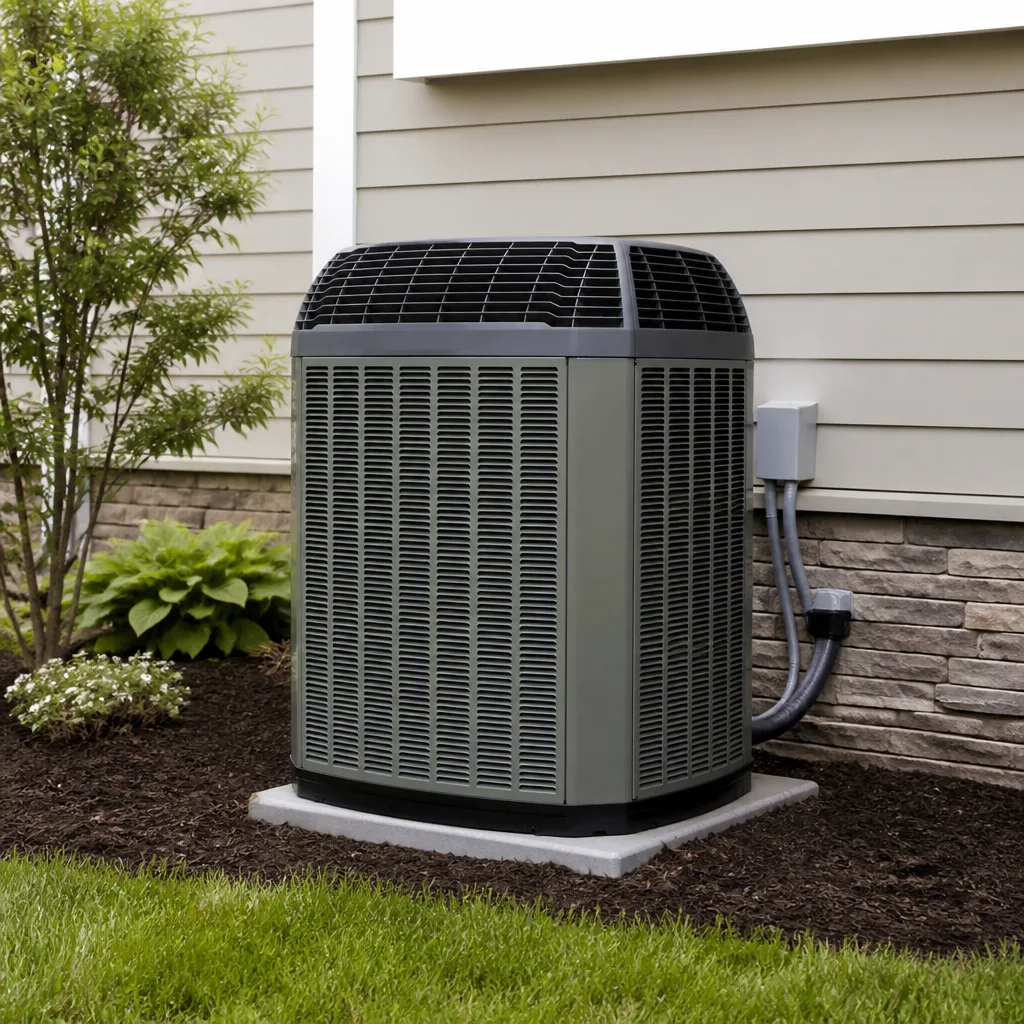 Trane
Trane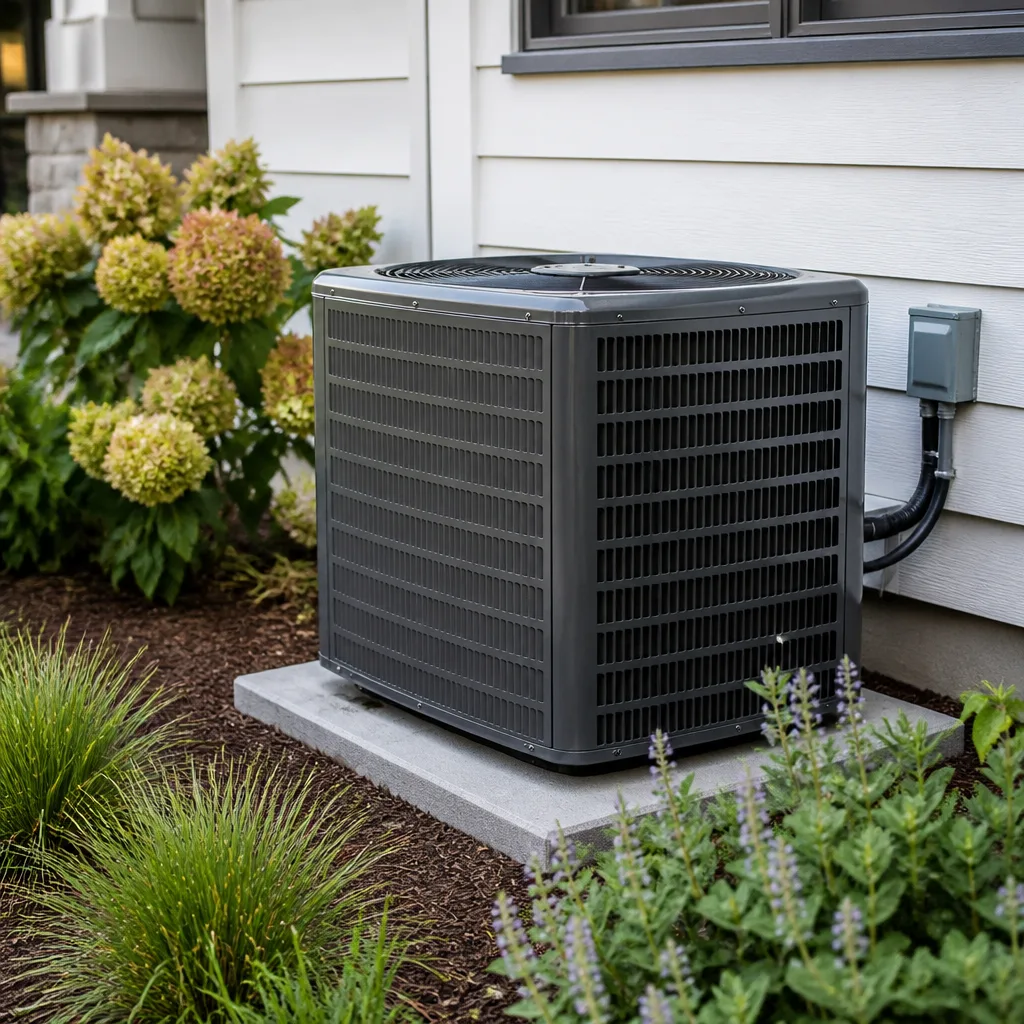 Goodman
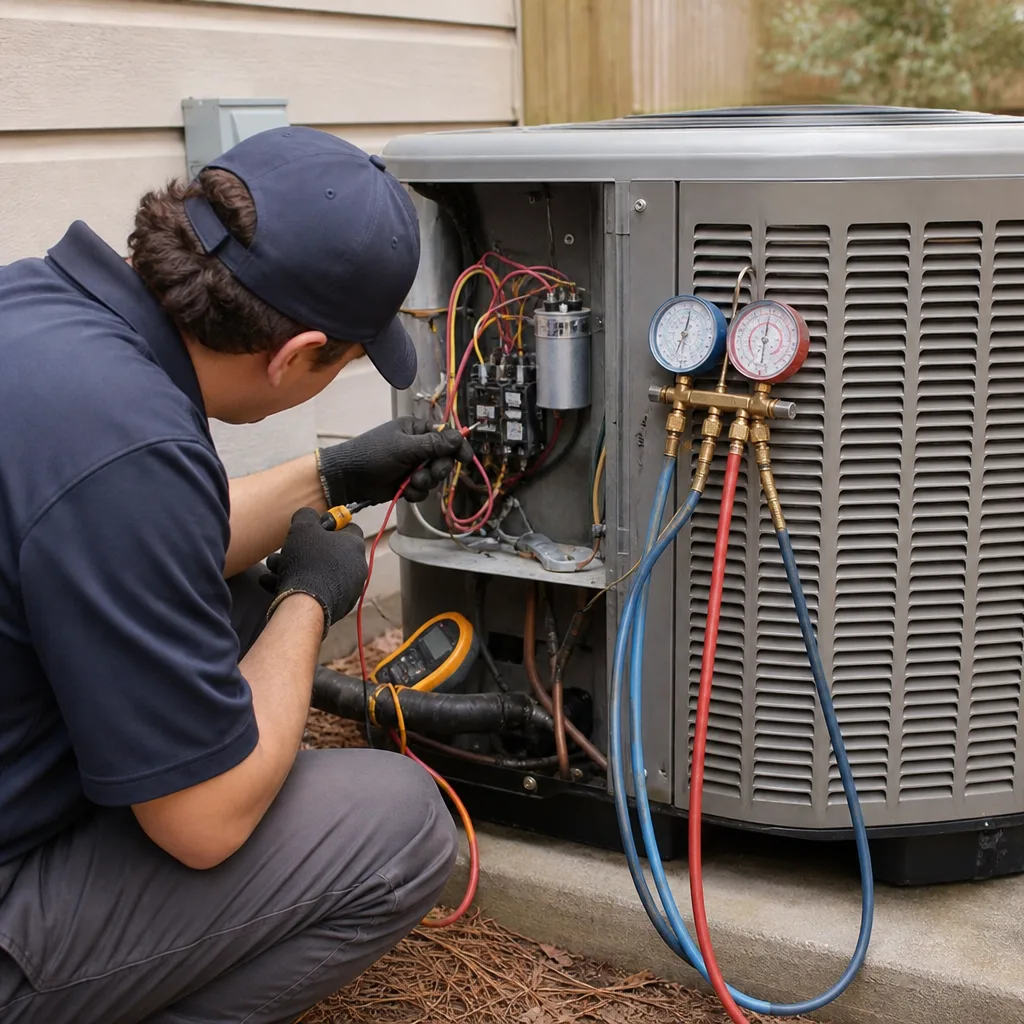
Seasonal tune-up and full diagnostic on your Carrier, Trane, or Goodman system - readings shown to you before any repair is proposed
Diagnosis first, numbers second - you approve the repair price before a single part goes in.
Get your free estimateHVAC Warning Signs: A Atlanta Homeowner’s Reference Guide
Here’s something most HVAC guides won’t tell you: in Atlanta, a short-cycling air conditioner rarely means the same thing it means in Phoenix or Dallas. Our humidity changes everything. The moist, heavy air moving across your evaporator coil does more than cool your house. It also feeds a biological film that grows on the coil surface, and that film strangles airflow in a way dry-climate technicians almost never see. So when a homeowner in Buckhead or Decatur pays for a refrigerant recharge that doesn’t fix the problem, the real culprit is usually a dirty coil starving the system of air. This guide connects each Atlanta warning sign to the Atlanta-specific cause behind it, so you can make an informed call before spending money on the wrong repair. For a deeper dive, see our Complete Guide to HVAC in Atlanta.
Quick Answer
The most common HVAC warning signs in Atlanta are short cycling, ice on the refrigerant lines, lukewarm air from the vents, musty odors, and unexplained jumps in your Georgia Power bill. In this climate, those symptoms most often trace back to a restricted evaporator coil, a condensate drain clogged with biofilm, or a capacitor failing under heat stress, not a refrigerant leak. If your system is short cycling or frozen, shut it off and call a professional before the compressor takes damage.
Styles & brands we work with
Table of Contents
- Short Cycling: The Atlanta Definition
- Ice on the Unit: Why It Happens Here
- Warm Air From the Vents: Three Atlanta Causes
- Unusual Odors: The Biology Problem
- High Electric Bills: Reading the Pattern
- Refrigerant vs. Airflow: A Two-Minute Test
- The 48-Hour Decision Tree
- Common Mistakes to Avoid
- When to Call a Professional
- Frequently Asked Questions
Short Cycling: The Atlanta Definition
A short-cycling system turns on, runs for five to ten minutes, shuts off, then starts again twenty minutes later. The house never quite reaches the temperature on the thermostat, and the humidity just sits in the air. In Atlanta, short cycling in July and August is usually one of three things, and they point in very different directions.
First, and most common in our experience across Intown Atlanta and the northern suburbs: a dirty evaporator coil. The coil sits inside the air handler or furnace, and in Atlanta’s humidity it collects a wet film of dust, pollen, and organic matter every single cooling season. That film insulates the coil and blocks airflow. The system overheats, the high-pressure safety switch trips, and the compressor shuts down to protect itself. The thermostat still calls for cooling, so the cycle repeats.
Second: an oversized system. Builders in the 1990s and early 2000s routinely installed 4-ton units where 3 tons would have been right, because bigger sounded better. An oversized system cools the air so fast that it satisfies the thermostat before it has run long enough to pull moisture out of the air. The house feels clammy at 72 degrees, and the unit short cycles because it’s simply too big for the load. A load calculation, not a guess, is the only way to know for certain.
Third: the capacitor. The capacitor gives the compressor and fan motor the jolt they need to start. In an Atlanta attic, where summer temperatures routinely reach 140 degrees, capacitors cook themselves to death years before their rated life. A failing capacitor makes the compressor struggle to start, draw too much current, and trip its overload. The symptom looks identical to a refrigerant problem from the outside. Inside, it’s a $35 part and a 45-minute fix.
If your system is short cycling, turn it off. Each short cycle adds wear to the compressor, and compressors are the most expensive component to replace. A service call now costs far less than a compressor replacement later. Our AC Repair in Atlanta page walks through what a diagnostic visit should include and what it should cost.
Ice on the Unit: Why It Happens Here
Ice on the refrigerant lines or on the indoor coil seems backwards. Why would an air conditioner freeze up in a city where summer highs run into the 90s? The answer is airflow. When warm air can’t move across the coil fast enough, the refrigerant inside the coil gets too cold, the condensation on the coil freezes, and the ice builds until the system stops cooling altogether.
In Atlanta specifically, two causes dominate. The first is the same dirty-coil problem behind short cycling, made worse by our long pollen season. From late February through May, Atlanta’s trees dump pollen in quantities that clog air filters in weeks, not months. When the filter clogs, airflow drops, and the coil temperature falls below freezing. The fix is a filter change if you catch it early. If the coil itself is packed with matted pollen and dust, the fix is a proper coil cleaning, not a can of no-rinse spray from the hardware store.
The second cause is a refrigerant undercharge. A system low on refrigerant runs the coil at a lower temperature than designed, which can produce ice even with normal airflow. Here’s the key distinction: a dirty coil causes ice that forms first at the bottom of the coil and spreads upward. A low refrigerant charge causes ice that forms first at the top of the coil and spreads downward. You can sometimes see this yourself before calling anyone. Remove the access panel (with the power off) and look at where the ice starts. That single observation tells a technician a lot.
Do not run a frozen system and hope it thaws and works again. The ice will melt, but the underlying cause won’t fix itself, and the liquid refrigerant that washes back to the compressor during a thaw can destroy it. What we’re describing here is a mechanical failure with real consequences, not a cosmetic quirk. Shut the system off at the thermostat, switch the fan to “On” to help thaw the coil, and call for service.
Warm Air From the Vents: Three Atlanta Causes
When the air coming out of your registers feels lukewarm instead of cold, the system is removing some heat but not enough. The question is why. In Atlanta, we see three causes far more often than any others, and they’re not equally serious.
The first is a thermostat issue. If the thermostat is in a hallway that gets afternoon sun, or near a kitchen that runs hot, it may be reading the wrong temperature and cycling the system too early. Before you call anyone, check the temperature at the return grille and the temperature at the supply vent with a simple thermometer. A healthy system drops the air temperature 15 to 20 degrees between those two points. If yours drops 18 degrees but the house still feels warm, the system is doing its job and the problem is elsewhere: duct leakage, poor insulation, or a thermostat reading high.
The second is a failing run capacitor on the outdoor condensing unit. The capacitor that starts the compressor also keeps the condenser fan spinning. When it weakens, the fan runs slow, the condenser can’t reject heat properly, and the air at the vents warms up by 5 or 10 degrees. This is a cheap part and an easy fix if caught early. Left alone, it strains the compressor.
The third is a refrigerant leak. This is the one everyone worries about, and it’s real, but it’s less common than the first two. A system that leaks refrigerant will cool progressively less over weeks or months, and the air at the vents will get warmer and warmer. If you’ve noticed a slow decline over the summer, not a sudden change, a leak is a real possibility. A system that was fine yesterday and warm today usually isn’t a leak, it’s a component failure. Either way, the diagnosis should be made with gauges and a leak detector, not a guess.
Unusual Odors: The Biology Problem
Dirty-sock odor. Musty smell when the fan kicks on. A sour note that hangs in the air after the compressor shuts off. These are common Atlanta complaints, and they’re almost never a refrigerant leak. Refrigerant doesn’t smell like much of anything, and the sweet, chloroform-like odor people associate with a refrigerant leak usually turns out to be something else entirely.
What you’re smelling is biology. Your evaporator coil sits in a dark, wet enclosure, and in Atlanta’s climate it stays wet for most of the cooling season. The condensation that drips off the coil lands in a plastic pan and drains through a pipe. In that pan and on that coil, bacteria and fungi grow. Some produce volatile organic compounds, and those compounds smell exactly like the complaints we hear: dirty socks, must, sourness. It’s the same biology that makes a wet shower curtain smell, just located inside your air handler.
This is a coil and pan problem, not a duct problem. Companies that sell duct cleaning to fix a musty Atlanta HVAC system are treating the wrong organ. The coils need to be cleaned and sanitized, the drain pan scrubbed, and the drain line flushed. The condensate drain in Atlanta homes often clogs with a slimy biofilm that grows in the warm, wet environment, and when it clogs, the pan overflows and the smell gets worse. A technician who tells you that you need thousands of dollars in duct cleaning for a musty odor should be asked to show you the coil with a borescope first.
The fix that lasts is coil cleaning plus drain pan treatment, and it’s a service we include as part of routine maintenance visits. The 80% of Atlanta homes that skip annual maintenance end up here eventually. The 20% that keep a schedule rarely do. Our AC Repair Maintenance Checklist for Atlanta Homeowners can help you stay in that second group.
High Electric Bills: Reading the Pattern
A high Georgia Power bill doesn’t tell you much by itself. The pattern does. Here’s how to read it before you spend money on a service call.
Compare this month’s bill to the same month last year, not to last month. Weather in Atlanta swings enough year to year that month-to-month comparisons mislead. If this May is 25% higher than last May, and the temperatures were similar, something changed. Now look at the pattern within the past year.
A steady, gradual climb in summer bills over two or three years, even after adjusting for rate increases, usually points to a compressor that’s losing efficiency. Compressors don’t fail suddenly; they degrade. The windings wear, the internal valves leak a little, and the system draws more current to produce the same cooling. When the bill climbs every summer and the system still cools, the compressor is telling you something. Listen before it fails entirely.
A sudden spike this summer, with the system running longer and longer to hit the same thermostat setting, usually points to a dirty condenser coil outside. The coil that sits in the open air behind your condensing unit collects cottonwood, grass clippings, and Georgia red clay dust. When it’s coated, the compressor works against higher head pressure, and the system runs longer to reach the same temperature. A simple coil rinse fixes this.
Finally, if your bills are high year-round and the system runs constantly in summer and winter, think about duct leakage. The ducts in many Atlanta attics leak 20 to 30 percent of the air they carry, which means you’re heating and cooling your attic. This is a bigger conversation, but it starts with a duct inspection, not a new unit.
Refrigerant vs. Airflow: A Two-Minute Test
Here’s a test you can do with a basic kitchen thermometer and your phone’s stopwatch before anyone shows up. It won’t replace a technician’s gauges, but it will tell you which direction to lean and it will keep you from authorizing a $300 refrigerant recharge that doesn’t match the evidence.
- Set the thermostat to 75 degrees or lower so the system runs continuously.
- After 15 minutes of continuous operation, measure the air temperature at the return grille (where air goes in) and at the supply vent closest to the air handler (where air comes out).
- Subtract the supply temperature from the return temperature. This is your temperature drop, sometimes called Delta T.
- Write down the number. Now start the stopwatch and time how long the system runs before the thermostat satisfies and it shuts off.
A healthy Atlanta system in summer shows a temperature drop of 15 to 20 degrees and a run time of 10 to 20 minutes per cycle. If your temperature drop is 18 degrees but the run time is short, your system is oversized or the thermostat is satisfied too early, not low on refrigerant. Adding refrigerant won’t help. If your temperature drop is 10 degrees or less and the system runs for an hour without satisfying, the system is losing capacity, and refrigerant may be part of the story. But it’s just as often a coil or airflow problem. The key insight is that a temperature drop in the normal range rules out most refrigerant problems immediately. Write the numbers down and tell your technician what you measured. It changes the conversation.
The 48-Hour Decision Tree
Not every HVAC symptom needs a same-day call. Some can be monitored. Others need immediate attention to protect the compressor or the heat exchanger. Here’s the decision tree we teach our customers in Atlanta.
Monitor for 48 hours if: the system is running but you’ve noticed the air isn’t quite as cold, the run times are a little longer, or you see a modest bill increase. Change the filter first, check the condenser coil for visible dirt or debris, and watch the temperature drop. If it holds above 15 degrees and the house still reaches the set point, you have time. If it doesn’t improve in 48 hours, call. A Cold Harbour Heating and Air Atlanta home diagnostic visit costs less than waiting another month does.
Call same day if: the indoor coil is iced over and the compressor is running, the outdoor unit is making a loud buzzing or grinding noise, the breaker for the air handler or condenser keeps tripping, or you smell a sharp, acrid odor like burning wires. Any of these can destroy a compressor in hours, and compressors run $2,000 to $4,000 to replace. A system that trips a breaker is telling you something is drawing too much current. Reset it once. If it trips again, the fix is not a new breaker; the fix is finding what’s overloading the circuit.
Same day in winter: if your furnace is producing a metallic smell, you see soot around the registers, or the carbon monoxide detector sounds. The heat exchanger in a gas furnace can crack, and a cracked heat exchanger can put combustion gases into the air you breathe. This is the one scenario on this page where we tell you to leave the house and call from outside. The risk is real, and no repair is worth gambling on. A working CO detector is the only reason some people catch this in time.
Common Mistakes to Avoid
- Adding refrigerant without finding the leak. Refrigerant doesn’t get used up. If a system is low, it has a leak. Topping it off without locating and repairing the leak means paying for the same repair next year, in a hotter week. EPA rules also require leak repair on systems above a certain charge size.
- Changing the filter and stopping there. A clogged filter protects the coil; it doesn’t clean the coil. If the filter was clogged, the coil is probably dirty too. Change the filter, then check the temperature drop. If it’s still low, the restriction is downstream.
- Treating every musty smell as a duct problem. In Atlanta, musty HVAC odor is almost always a coil and pan biology issue. Duct cleaning without coil sanitation is a half measure that leaves the source untouched.
- Ignoring a tripping breaker. A breaker trips because the circuit is overloaded. Resetting it repeatedly lets the underlying problem grow until the compressor windings short out for good. Once is a fluke. Twice is a diagnosis.
- Replacing a capacitor instead of diagnosing the whole system. Capacitors fail for reasons. Heat kills them, but so does a compressor drawing too much start current. A technician who swaps the capacitor without checking the compressor’s amp draw may be treating a symptom.
- Waiting until the first heat wave to service the AC. Every Atlanta HVAC company runs at capacity in June and July. A maintenance visit in April or May is easier to schedule, happens faster, and catches problems before they strand you in the heat. It’s also cheaper than emergency rates.
- Assuming a new unit fixes everything. A new AC won’t fix leaky ducts, a short-cycling thermostat, or an undersized return. The system is only as good as the house it’s attached to. A proper AC Installation in Atlanta starts with a load calculation and a duct inspection, not a same-size swap.
When to Call a Professional
Call when the symptoms point to compressor damage, electrical problems, or anything involving refrigerant. Call the same day when you have ice, a tripping breaker, a burning smell, or a furnace producing soot or metallic odors. Call within 48 hours when the system runs but underperforms, and you’ve already changed the filter and checked the outdoor coil for debris. The pattern matters more than the symptom in isolation. Cold Harbour Heating and Air Atlanta offers free estimates in Atlanta, and a live person answers our phone at any hour. You can also browse more guides & resources on our blog. If you’ve been through this before with a company that didn’t show up or changed the price at the door, call (478) 223-8776 and tell us about it. We’ve been doing this in Atlanta since 2003, and we put our promises in writing before the work starts.
Frequently Asked Questions
A failing Atlanta HVAC system usually shows itself through short cycling, longer run times to reach the same temperature, a temperature drop under 15 degrees at the vents, or a steady climb in summer electric bills over two or three years. None of these symptoms alone is conclusive, which is why a diagnostic visit with gauges and a thermometer beats guessing. If you’re in Atlanta and want a written diagnosis, call (478) 223-8776.
Most diagnostic visits in Atlanta run between $75 and $120, depending on the company and the time of day. Cold Harbour Heating and Air Atlanta provides free estimates in most cases, and we give you a written price for the repair before any work begins. When the visit turns into a repair, the diagnostic fee is often credited toward the total.
Yes, turn the system off at the thermostat and set the fan to “On” to help thaw the coil. The compressor should not run while the system is iced over. The ice will melt on its own, but the cause, whether it’s a dirty coil or a low refrigerant charge, will still be there. Have a technician diagnose it before you run the system again.
Musty, dirty-sock odor from Atlanta HVAC systems is caused by bacteria and fungi growing on the evaporator coil and in the condensate drain pan. The coil stays wet all summer in this climate, and the biology produces volatile compounds that stink. The fix is coil cleaning and drain pan sanitation, not duct cleaning. We perform this service as part of routine maintenance across Atlanta.
The 365-Day Done Right Promise is a written guarantee that Cold Harbour Heating and Air Atlanta includes with every repair. If the repair fails within 365 days, we come back and correct the work at no additional charge. It’s not a verbal assurance; it’s on paper, and it applies to every repair we make in Atlanta.
Yes. Our technicians are trained to service nine major residential HVAC brands, including Carrier, Trane, Lennox, Goodman, Rheem, York, Daikin, Bryant, and American Standard. So if your home in Atlanta already has a Carrier, Trane, or Lennox system, the technician who shows up can work on it without a learning curve. We repair what’s installed. The same quality of diagnosis applies whether your furnace is a Goodman or a Rheem, and if the system has run its course, we’ll tell you honestly when repair no longer makes sense.
The Bottom Line
Atlanta’s humidity changes the way HVAC systems fail. The short cycling, ice, warm air, musty odors, and high bills that dominate this page all trace back to conditions the Southeast creates: dirty coils, clogged drain pans, heat-stressed capacitors, and duct leakage. Learn to read the pattern before you spend money on a repair. And when you need a professional, find one who gives you a written diagnosis, a written price, and a written guarantee. We’re Cold Harbour Heating and Air Atlanta, independently owned and operated as part of the Kingswell network, and we answer our own phone 24 hours a day. Call (478) 223-8776 and we’ll take it from there.
Written by Victor Mancini, Owner at Cold Harbour Heating and Air Atlanta, serving Atlanta since 2003.
See the difference
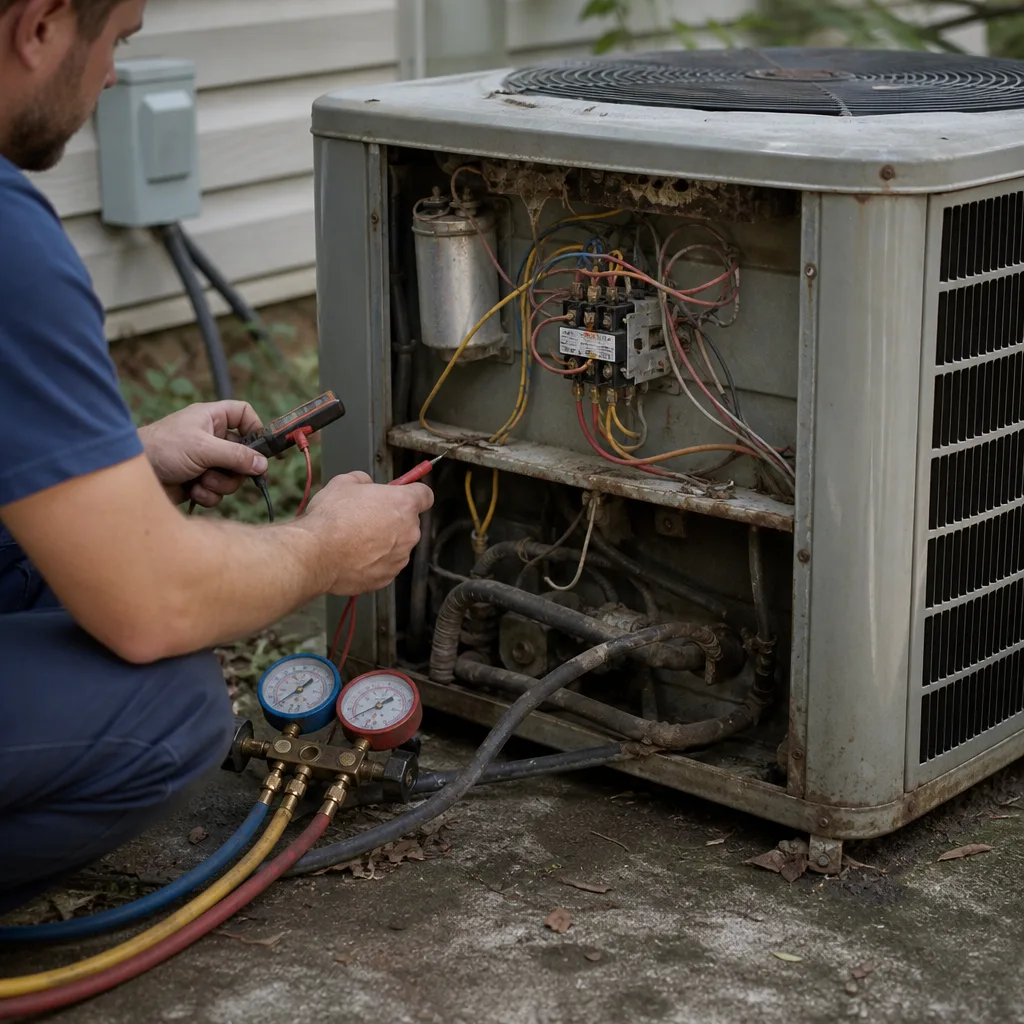 Before
 After
After Before
 After
After Before
 After
After