
Last updated October 16, 2026
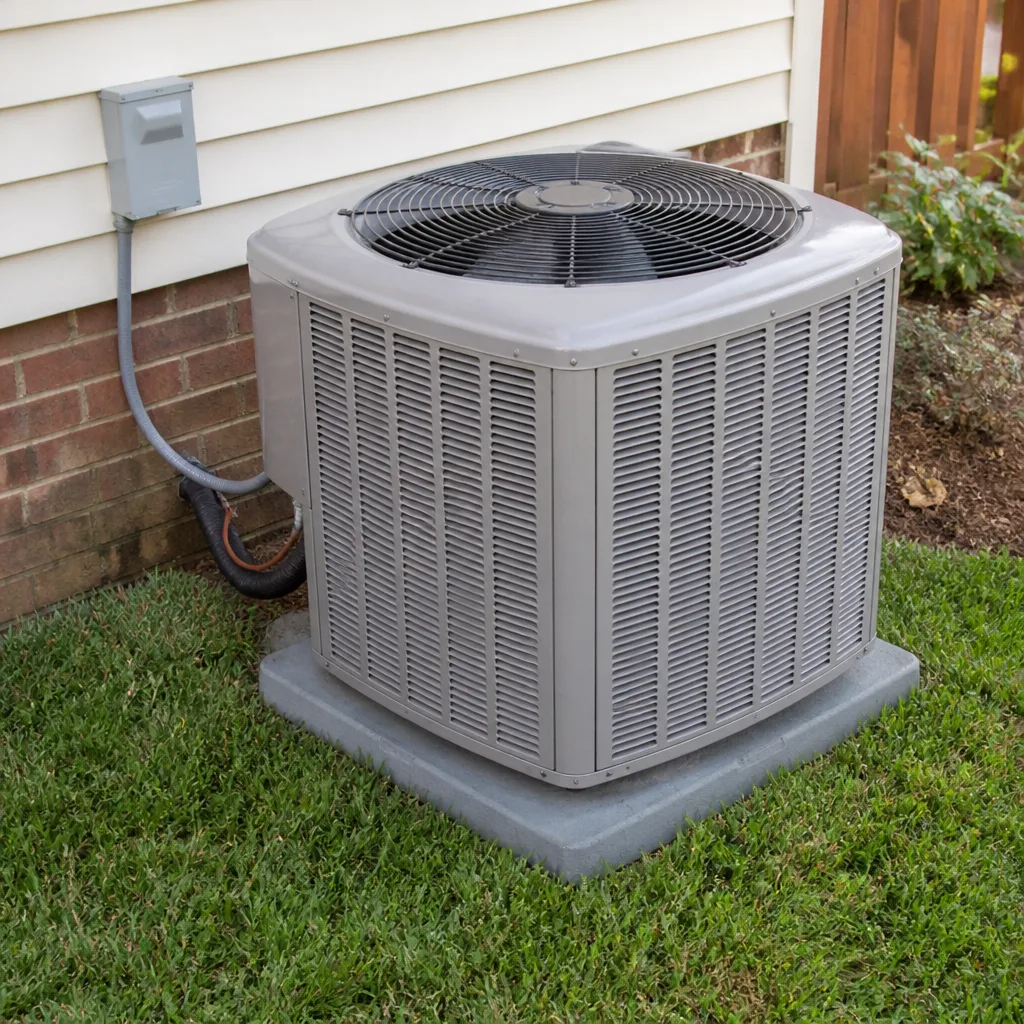 AC repair
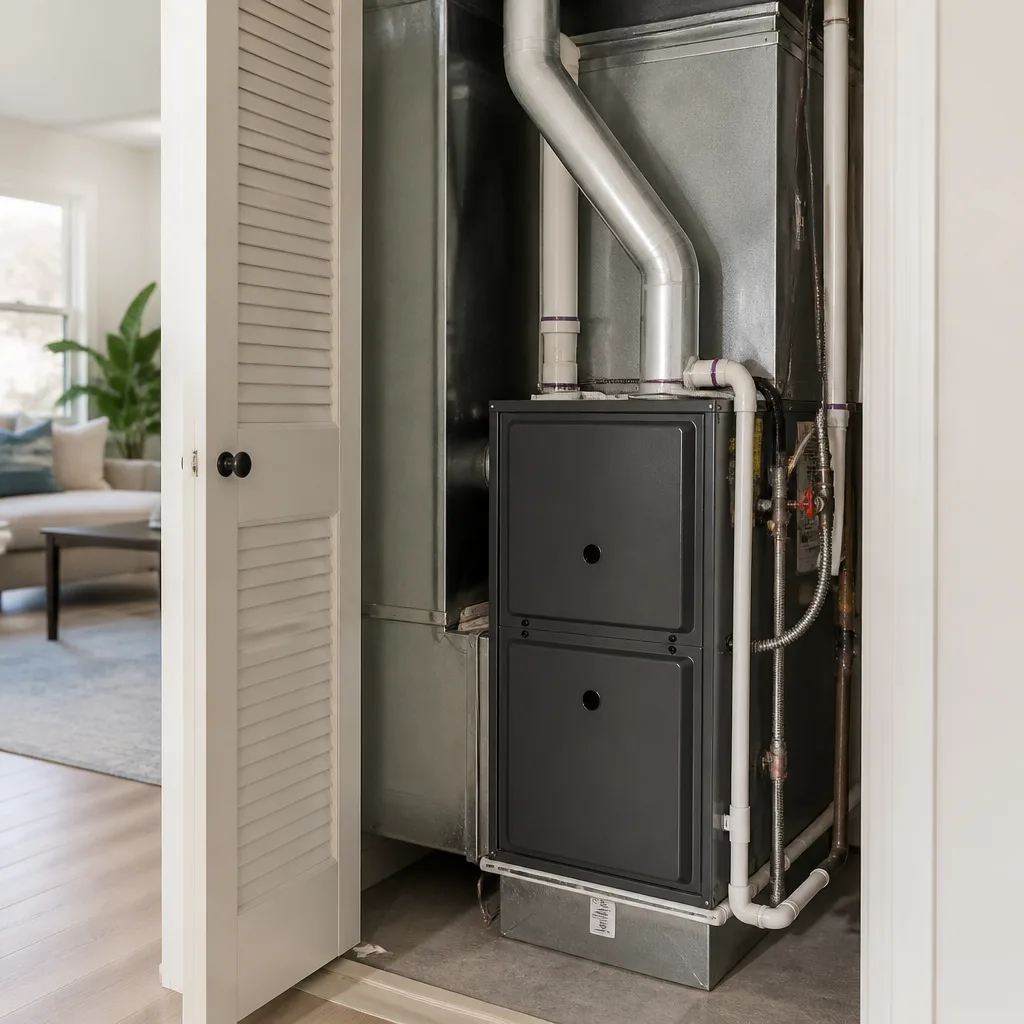 Furnace & heating
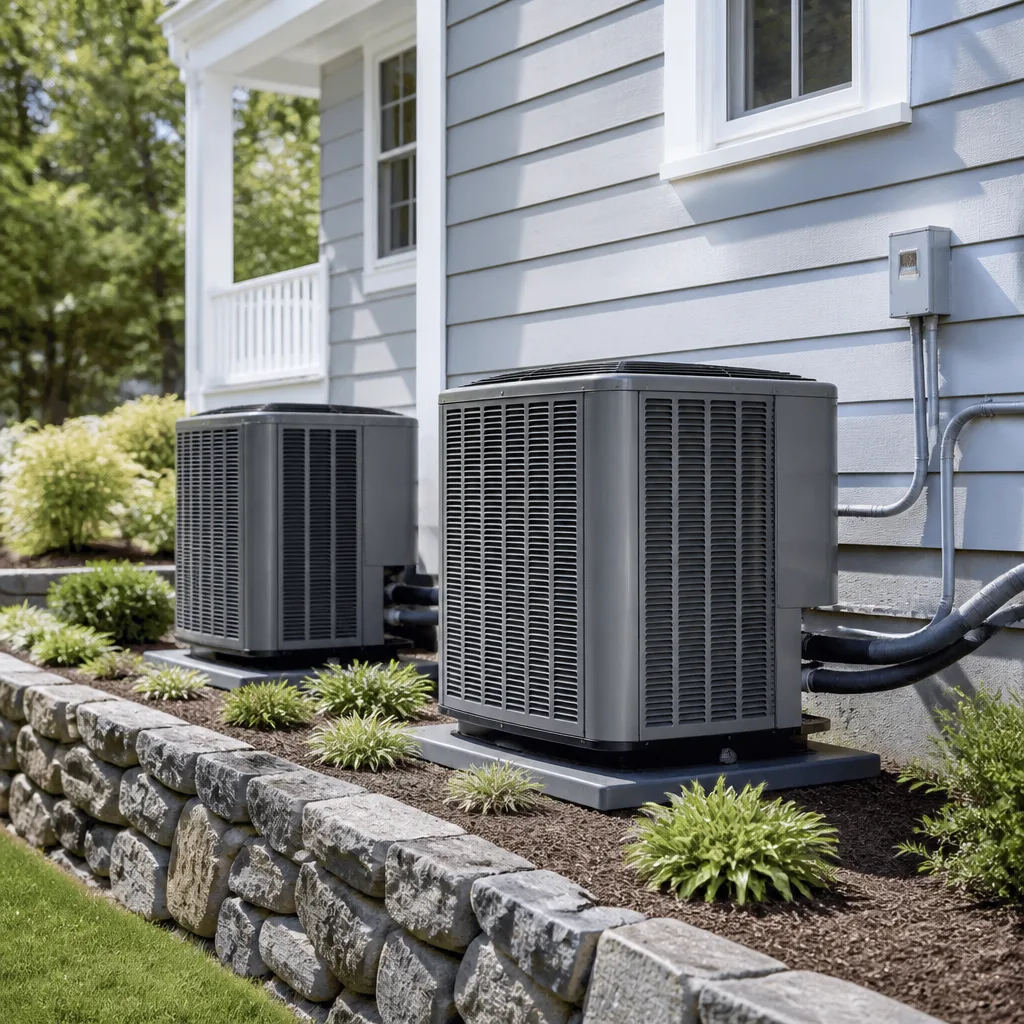 Heat pumps
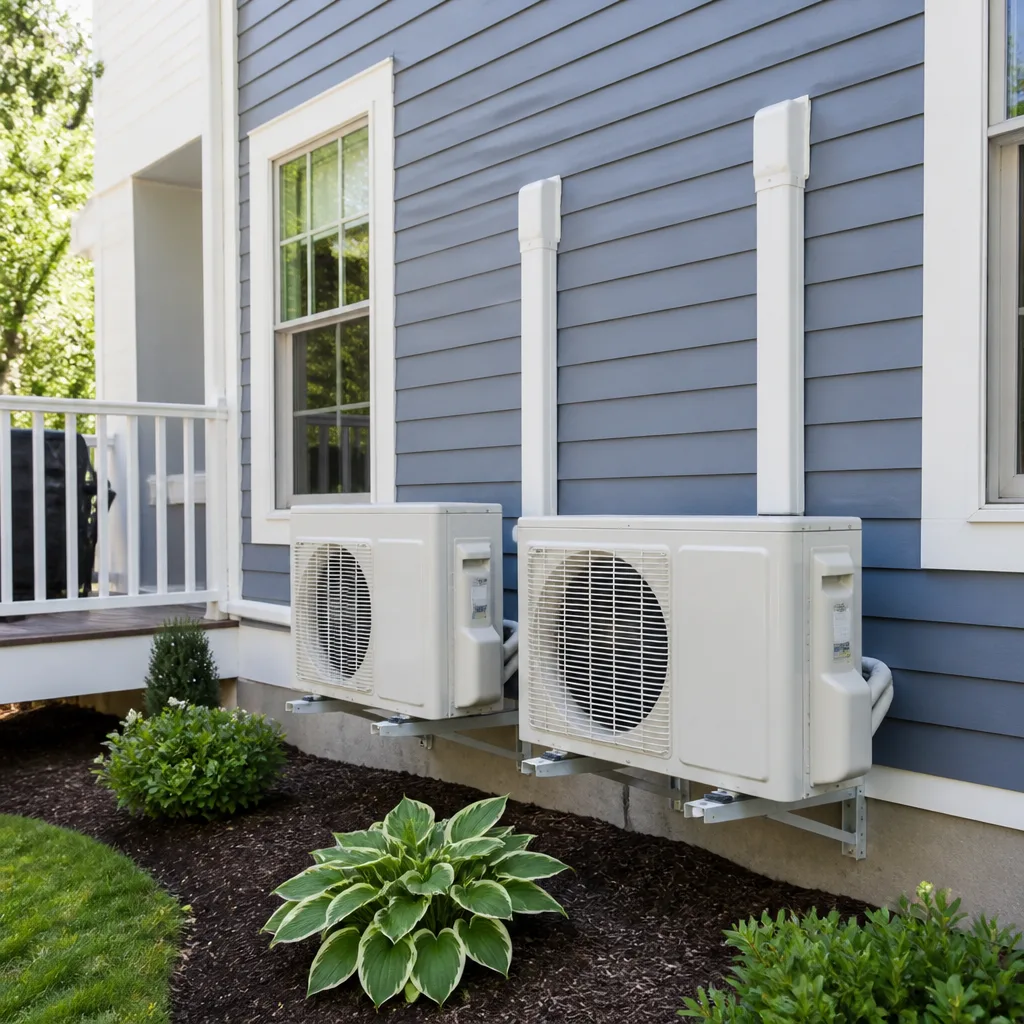 Ductless mini splits
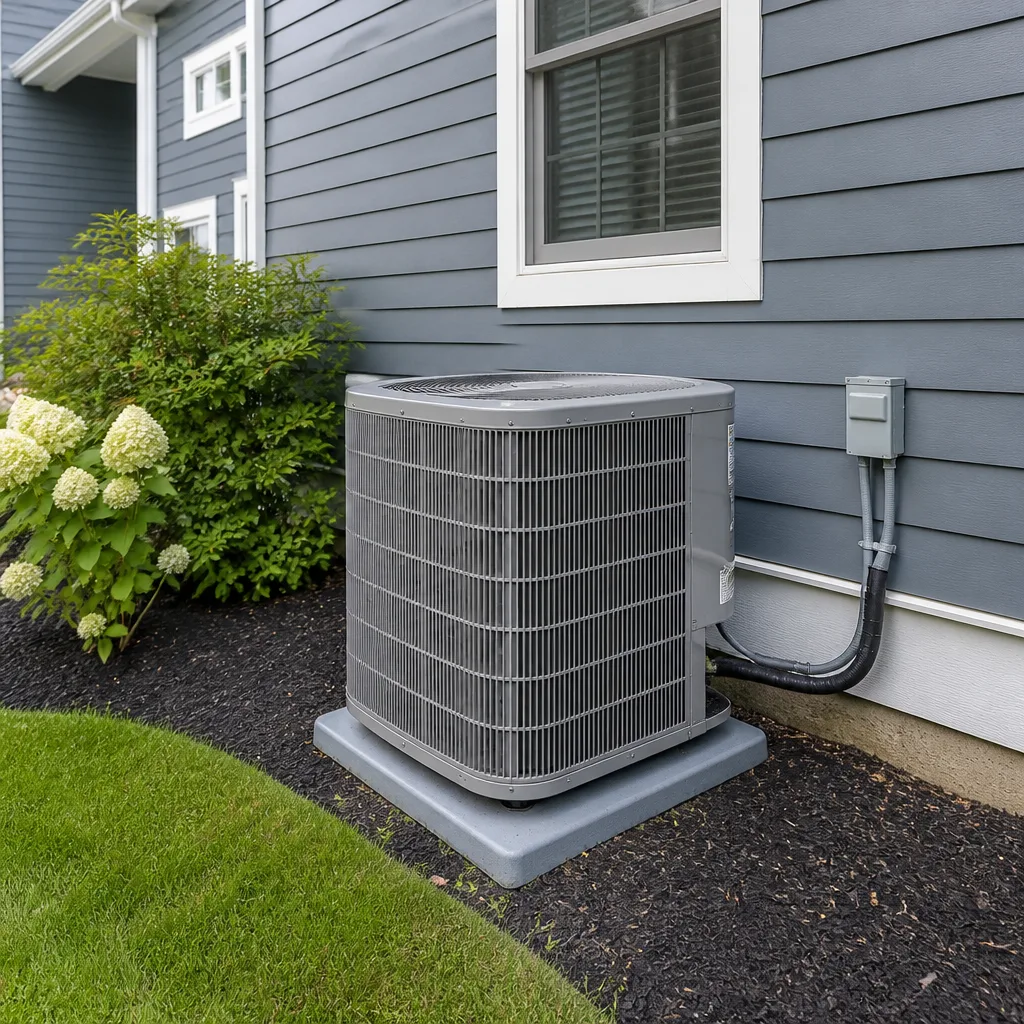 Carrier
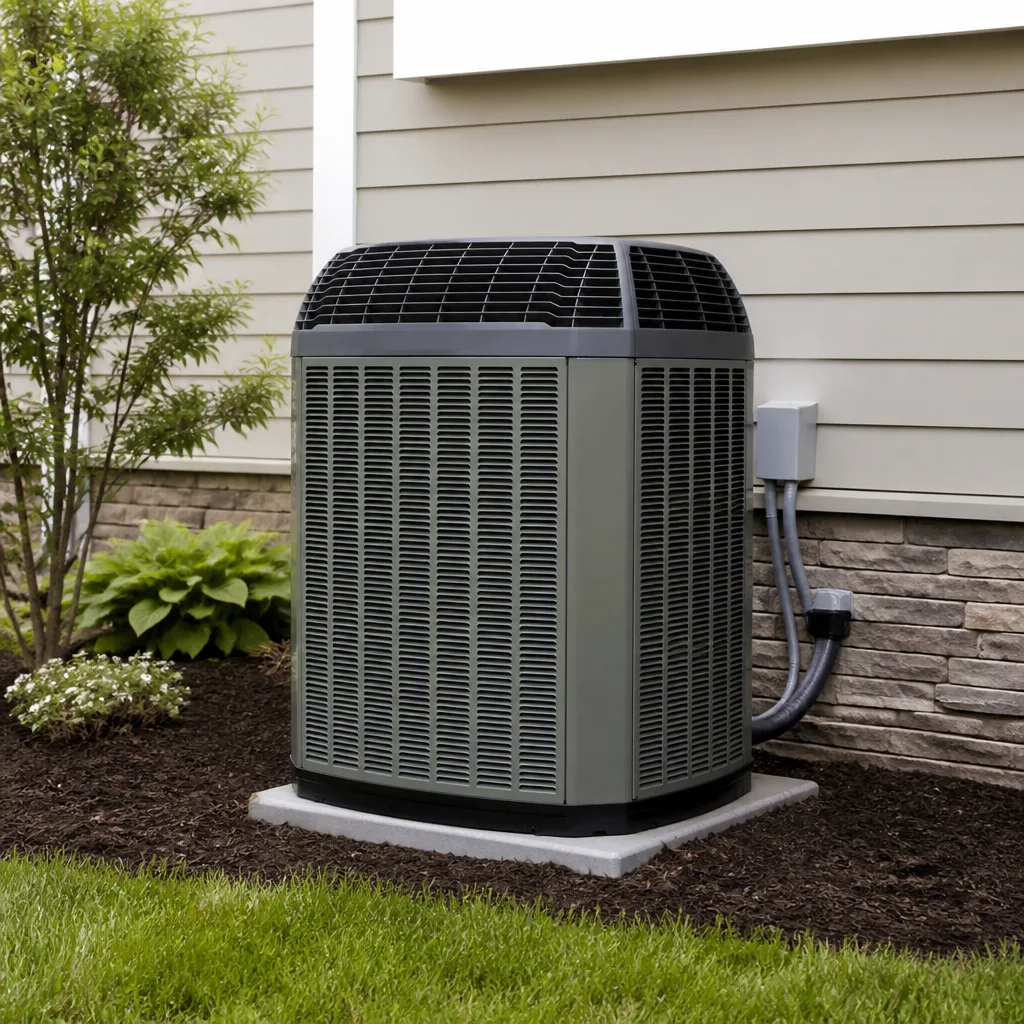 Trane
Trane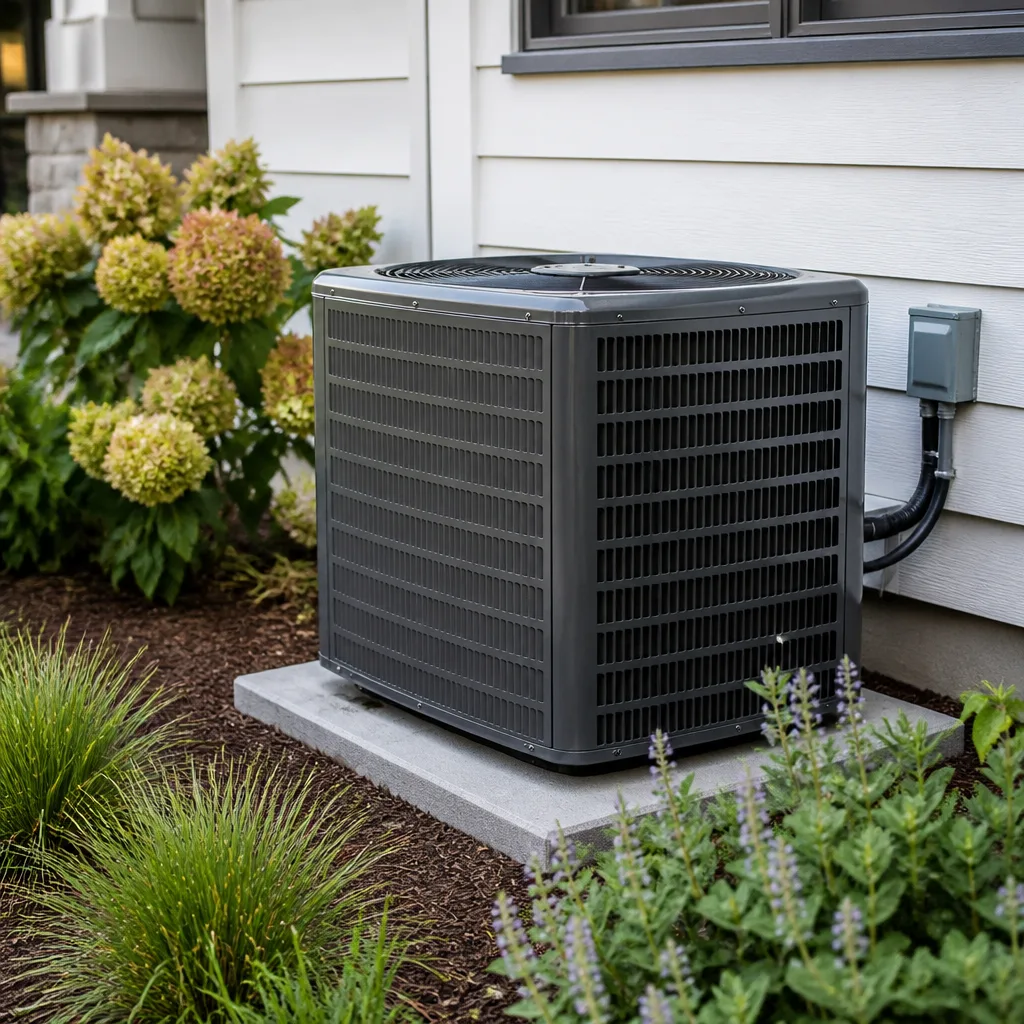 Goodman
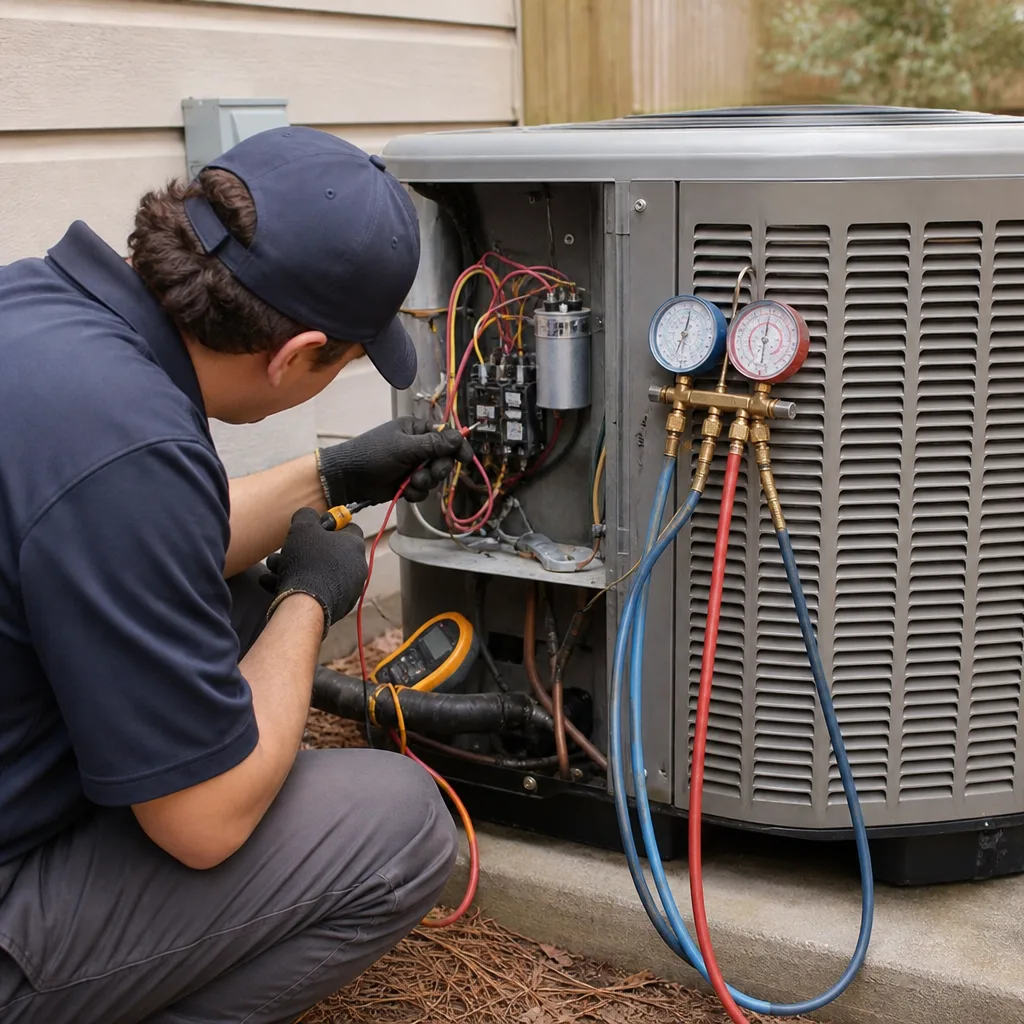
Seasonal tune-up and full diagnostic on your Carrier, Trane, or Goodman system - readings shown to you before any repair is proposed
Diagnosis first, numbers second - you approve the repair price before a single part goes in.
Get your free estimateHow to Hire a HVAC Contractor in Atlanta: A Step-by-Step Guide
Georgia doesn’t require HVAC contractors to hold a state license. Let that settle in. In most Atlanta metro counties, a contractor only needs a county or city business license to legally hang a shingle and start working on residential systems. That means the gap between a seasoned technician who’s spent two decades on Atlanta attics and rooftops and someone who bought a van last month is narrower than most homeowners assume. This guide walks you through the six written commitments that separate a contractor who stands behind the work from one who disappears after the invoice clears, and you can find more guides & resources on our blog. You’ll learn what to verify, what to request in writing, and which questions reveal whether a contractor actually intends to pull a permit and back the job.
Styles & brands we work with
Quick Answer
To hire an HVAC contractor in Atlanta, verify their county or city license through the Georgia Secretary of State and the local permitting office, request five written documents before work begins (quote, scope of work, permit plan, liability certificate, and warranty terms), and choose a contractor who puts the guarantee in writing rather than offering verbal assurances. Expect to pay market-rate prices that reflect permitted, insured work: a written price handed to you before the first tool comes out, not a number that changes at the door.
Table of Contents
- Step 1: Verify the License (and Understand What Georgia Does and Doesn’t Require)
- Step 2: Request the Five Documents Before Any Work Begins
- Step 3: Ask the Permit Questions Most Contractors Hope You’ll Skip
- Step 4: Read the Guarantee Like a Contract, Not a Brochure
- Step 5: Compare Quotes the Right Way (Lowest Is Rarely Best)
- Step 6: Check What Happens After the Job Is Done
- Common Mistakes to Avoid
- When to Call a Professional
- Frequently Asked Questions
- The Bottom Line
Step 1: Verify the License (and Understand What Georgia Does and Doesn’t Require)
Georgia is one of the few states without a statewide HVAC licensing board. The state’s Construction Industry Licensing Board covers general contractors, plumbers, and electricians, but HVAC contractors fall through a regulatory gap. In most Atlanta jurisdictions, including Fulton County and DeKalb County, an HVAC contractor needs only a county or city business license to operate. That license confirms the business exists and paid a fee. It does not confirm technical competence, insurance coverage, or permit compliance.
Here’s how to actually verify a contractor in Atlanta:
- Search the Georgia Secretary of State’s corporate database at ecorp.sos.ga.gov. Confirm the business is registered and active. Note the registration date and the registered agent’s name.
- Call or visit your county’s permitting office. Fulton County, DeKalb County, Cobb County, and Gwinnett County each maintain their own contractor requirements. Ask whether the contractor holds a current mechanical or HVAC permit in that county and whether any disciplinary actions have been filed.
- Ask for the contractor’s insurance certificate directly. A county license alone covers almost nothing. The certificate of liability insurance should name the homeowner as additional insured, list at least $1 million in general liability coverage, and come from the insurer, not the contractor’s printer.
A county-only license means the contractor has paid a fee and registered a business. It says nothing about whether the person showing up knows how to safely wire a heat pump or correctly size a furnace for an Atlanta home’s humidity load. We’ve walked into houses in Decatur and Sandy Springs where a previous contractor installed a system without a permit and without a license beyond a county business registration, and the homeowner only discovered the gap when the system failed and the insurance claim stalled.
Takeaway: verify the license, but treat it as the floor, not the ceiling. The real signal is what the contractor puts in writing before the work starts.
Step 2: Request the Five Documents Before Any Work Begins
Most Atlanta homeowners request one thing before hiring: a price. That’s a mistake. A price without a written scope of work is just a number. Here are the five documents you should have in hand before signing anything or letting a technician unload a single tool:
- Written quote. Not a text message, not a verbal figure, not a number scrawled on a business card. A written quote lists the full price, itemized parts and labor, and any conditions or exclusions. At Cold Harbour Heating and Air Atlanta, the written price is handed to the homeowner before work begins, and it does not change at the door. That’s not a special request. It’s how every job works.
- Scope of work. This describes exactly what will be done, which components will be replaced or repaired, which systems are included, and what “done” means. A scope that says “fix AC” is worthless. A scope that says “replace condenser fan motor, test capacitor, check refrigerant charge to manufacturer spec, verify drain line flow” tells you what you’re paying for.
- Permit plan. Ask in writing which permits will be pulled, by whom, and when the inspection will be scheduled. If the contractor hesitates, that’s an answer.
- Liability certificate. As covered above, this comes from the insurer and names you as an additional insured. It should cover property damage and bodily injury. Without it, you’re betting your homeowner’s policy will catch what the contractor’s missing insurance won’t.
- Warranty terms in plain language. Not a brochure, not a verbal “we stand behind our work.” The actual terms: what’s covered, for how long, who pays for parts versus labor if it fails, and what response time applies. More on this in Step 4.
In our experience across Atlanta, the contractors who push back on providing these five documents are the ones most likely to create problems later. The written quote, the scope, the permit plan, the certificate, the warranty terms: none of these are unreasonable requests. A contractor who treats them like an inconvenience is telling you something about how the rest of the job will go.
If you’re looking at a full system replacement rather than a repair, check out our guide to AC Installation in Atlanta for what a written installation quote should include.
Step 3: Ask the Permit Questions Most Contractors Hope You’ll Skip
Permits are the unglamorous center of a trustworthy HVAC job in Atlanta, and they’re the first thing a contractor looking to cut corners will try to talk you out of. Here’s why permits matter and what a contractor’s answer reveals.
In Fulton County, DeKalb County, and most Atlanta metro jurisdictions, replacing a furnace, AC condenser, or heat pump requires a mechanical permit. The permit triggers an inspection by a county code official who verifies the work meets current code: proper clearances, correct venting for gas furnaces, correct electrical disconnect placement, proper refrigerant line installation. Without that inspection, no one with authority has looked at the work.
The questions to ask:
- “Will you pull a permit for this job?” The answer should be yes, without hesitation, for any system replacement or significant repair. The contractor should name the county and the permit type.
- “Who schedules the inspection, and do I get a copy of the final approval?” The contractor should schedule it and provide the signed-off inspection report.
- “Is permit cost included in the quote?” It should be. A separate line item for “permit fee” is normal. A contractor who says “we can skip the permit to save you money” is offering to skip your protection too.
Why do some contractors try to talk you out of a permit? Time and money. Permits take a few days to pull and the inspection takes a morning to schedule. A contractor running thin margins may want to skip both. But here’s what happens if the work is never permitted: if a fire, a gas leak, or a carbon monoxide incident traces back to unpermitted HVAC work, your homeowner’s insurance may deny the claim. Insurers regularly deny coverage for damage caused by work that was never inspected and never met code. The money you saved skipping the permit evaporates in a week.
Atlanta’s housing stock is older and more varied than most people realize. A 1950s ranch in Chamblee has different code considerations than a 2010 townhouse in East Cobb. A contractor who works the metro area regularly knows which counties require which permits and handles the paperwork as routine, not as a favor to the homeowner.
For a repair that involves the furnace side of your system, you’ll want to know what a proper repair scope includes. Our Furnace Repair in Atlanta page covers what to expect from a written furnace repair quote.
Step 4: Read the Guarantee Like a Contract, Not a Brochure
“We stand behind our work.” Every contractor says that. It means nothing unless it’s written down with specific terms. A real written guarantee states:
- What fails, exactly. Does the guarantee cover the specific part that was replaced, the entire system that was serviced, or just the labor? A vague guarantee covers nothing clearly.
- How long the guarantee runs. 30 days is weak. 90 days is common. 365 days is what any confident contractor should offer. At Cold Harbour Heating and Air Atlanta, every repair comes with the 365-Day Done Right Promise: a written guarantee valid for a full year, and if the repair fails inside that window, we return and correct the work at no charge. That’s not a verbal promise. It’s on paper before the technician leaves.
- Who pays for parts versus labor on a callback. Some contractors guarantee the part but charge labor on the return visit. Read the language carefully. A real guarantee covers both. If the repair we made fails within 365 days, the return visit is free, full stop.
- What the response time is for a callback. A guarantee that promises to “address” a failure within 30 days is barely a guarantee. The written terms should state how quickly you’ll be scheduled, and the contractor should answer the phone when you call. Cold Harbour Heating and Air Atlanta has a live person answering the phone 24 hours a day, 7 days a week. No voicemail tree, no after-hours runaround.
- Whether the guarantee is transferable if you sell the home. This matters in Atlanta’s active real estate market. If you’re selling a home with a newer HVAC system, a transferable written guarantee adds genuine value.
Here’s the test: ask the contractor to hand you the guarantee in writing before you sign. If the response is “don’t worry, we’ll take care of you,” walk away. A contractor who won’t write down the terms is a contractor who doesn’t intend to be bound by them.
The Kingswell Way, the set of written standards Cold Harbour Heating and Air Atlanta operates under, puts it plainly: say the price before the work, show up in the window given, leave the place cleaner than found, put the guarantee in writing, come back if it fails. Five values, all written, all non-negotiable. The name itself comes from a cold harbour, the roadside shelter where travelers waited out the weather. Comfort in any season is the job.
Step 5: Compare Quotes the Right Way (Lowest Is Rarely Best)
Atlanta’s HVAC market is fragmented. A quick search for a furnace repair or AC replacement will pull up national chains, independent shops, one-man operations, and everything in between. Prices for the same job can swing by 40% or more. The temptation is to grab the lowest number and move on. Here’s why that usually costs more, and what to watch for in our HVAC Warning Signs: A Atlanta Homeowner’s Reference Guide.
The lowest quote often reflects one of three things: an unlicensed sub-contractor doing the work on the side, a contractor skipping the permit and inspection, or a contractor who plans to change the price at the door once the system is apart. All three are common in Atlanta, and all three leave the homeowner holding the risk.
When an unlicensed sub-contractor damages your system or installs a Goodman or Rheem unit incorrectly, your recourse is limited. When work is unpermitted and something fails, your insurance may not cover the damage. When a contractor quotes low to win the job and then finds “unexpected issues” after arrival, the door price bears no resemblance to the phone price.
- Compare scopes, not numbers. Two quotes for an AC replacement may look similar until you read the scopes. One includes a new line set, a new disconnect, a new thermostat, and duct inspection. The other includes the condenser and coil only. The lower quote is lower because it’s doing less.
- Confirm the brand and model. A quote that says “new 3-ton AC” without a brand and model number is not a quote. You should know whether you’re getting a York, Daikin, Goodman, or Rheem unit, and what the SEER2 rating is. Brand matters for warranty length, parts availability, and long-term reliability.
- Ask what’s not included. Every quote has exclusions. Some are legitimate: a rusted duct transition may need to be evaluated on site. But the exclusion should be written down, not discovered later.
- Check the permit line. If the quote doesn’t include a permit line for a system replacement, the contractor isn’t planning to pull one.
- Ask about the callback policy. If the system fails in a month, what happens? The answer should be instant and written: you call, we come back, we fix it, no charge. If the contractor hesitates, the lowest quote just got more expensive.
Cold Harbour Heating and Air Atlanta was founded in 2003 as part of the Kingswell network of independently owned and operated HVAC businesses, all working to the same written standards. Every job starts with a written price delivered before any work begins. The price doesn’t change at the door. That’s the policy on every job, not a case-by-case favor.
For a deeper look at what a fair AC repair should include in the Atlanta market, see our AC Repair in Atlanta page.
Step 6: Check What Happens After the Job Is Done
The most reliable way to evaluate an Atlanta HVAC contractor is to ask what happens after the invoice is paid. Most homeowners never ask, and that’s exactly what a weak contractor is counting on.
Here’s what a responsible contractor’s post-job process looks like:
- A final walkthrough. The technician shows you what was done, what was replaced, and what the system readings are. If you’re not offered a walkthrough, ask for one.
- A written summary of the work. This should list the specific parts replaced, the readings before and after, and any recommendations for future maintenance. You should leave the job knowing exactly what was done to your system.
- A written guarantee on the repair. Not a verbal “call us if anything’s wrong.” A piece of paper with the terms on it, valid for 365 days in our case, that you can file away and reference in eight months if something goes sideways.
- A clean job site. The technician should leave the area cleaner than they found it. No refrigerant oil on the garage floor, no wire clippings in the attic, no wrapper from the new part left under the porch. This is a Kingswell standard, and it’s a signal of how the contractor handles the work you can see.
- A working phone number. Call the office a week later with a question. Does a live person answer? In Atlanta, you should never reach a voicemail tree when you call an HVAC contractor. Cold Harbour Heating and Air Atlanta has a live person answering the phone around the clock, every day of the year.
Background-checked, uniformed technicians on every visit is another signal. You should know exactly who is walking through your door before you open it. A contractor who sends a different person every time with no introduction and no uniform is not running a serious operation.
We’re trained to service nine major residential HVAC brands: Carrier, Trane, Lennox, Goodman, Rheem, York, Daikin, Bryant, and American Standard. That matters because the technician who shows up should be able to work on whatever system is already in your Atlanta home, not just the brand the shop happens to sell.
Common Mistakes to Avoid
- Hiring based on price alone. The lowest quote in Atlanta often excludes permits, uses unlicensed labor, or changes at the door. The cheapest quote is frequently the most expensive job.
- Not verifying the county or city license. Georgia has no state HVAC license requirement. A contractor with only a county business license may have no technical qualification at all. Check the Georgia Secretary of State and your county permitting office.
- Skipping the permit. When a contractor offers to “save you money” by working without a permit, they’re saving themselves time and shifting long-term risk to you. Unpermitted work can void homeowner’s insurance claims.
- Accepting a verbal guarantee. “We stand behind our work” is not a guarantee. A guarantee has terms, a duration, and a written document. Insist on it before signing.
- Not reading the scope of work. Two quotes can look similar while covering different work. A quote without a detailed scope is just a number.
- Ignoring the callback policy. Ask before the job starts: if this repair fails in six months, what happens? The answer should include the words “no charge” and “written.”
- Hiring without a written price in hand. In Atlanta, a contractor who won’t put the price in writing before the work starts is planning to change it later. Walk away.
When to Call a Professional
Some HVAC work in Atlanta is genuinely dangerous to attempt yourself. High-tension furnace components, gas lines, refrigerant handling, and electrical disconnects all carry serious risk. If your furnace has a gas smell, a cracked heat exchanger, or an ignitor that won’t fire, do not attempt a repair. If your AC system is low on refrigerant, the refrigerant itself is regulated and mishandling it can cause injury. If your system is making a grinding noise, shut it off and call someone who knows what the noise means. Cold Harbour Heating and Air Atlanta offers free estimates in Atlanta – call (478) 223-8776 and a real person will answer.
Frequently Asked Questions
No. Georgia does not license HVAC contractors at the state level. Contractors in Atlanta typically need only a county or city business license, which confirms business registration but not technical competence or insurance. Always verify the contractor’s county license and insurance certificate separately.
Most furnace igniter replacements in Atlanta run $150 – $280, parts and labor included. AC repairs commonly fall between $200 and $600 depending on the component. A full system replacement typically starts around $6,500 and can exceed $12,000 for high-efficiency equipment. The only way to know your exact cost is a written quote with a detailed scope of work.
Usually not. The lowest quote in Atlanta often reflects skipped permits, unlicensed sub-contractors, or a price that will change at the door. Compare scopes, warranty terms, and permit inclusion before comparing numbers.
A written guarantee should state the specific covered failure conditions, the duration of coverage, who pays for parts versus labor on a callback, and the response time. Cold Harbour Heating and Air Atlanta’s 365-Day Done Right Promise covers every repair for a full year in writing: if it fails, we return and fix it at no charge.
Yes. Most Atlanta metro counties, including Fulton and DeKalb, require a mechanical permit for system replacements. The permit triggers a code inspection. Skipping the permit can void your homeowner’s insurance if the unpermitted work later causes damage.
Many Atlanta contractors offer same-day or next-day service for urgent repairs. Cold Harbour Heating and Air Atlanta has a live person answering the phone 24 hours a day, 7 days a week, so you can reach a real human at any hour, including weekends and holidays. Call (478) 223-8776 for a free estimate.
The Bottom Line
Hiring an HVAC contractor in Atlanta comes down to one question: what did they put in writing? Georgia’s lack of a state license makes verification your job. The five documents (written quote, scope of work, permit plan, liability certificate, and warranty terms) separate serious contractors from opportunists. The guarantee should have terms, duration, and a written document. And the lowest quote is rarely the best value when permits and warranty are factored in. Cold Harbour Heating and Air Atlanta has been serving the city since 2003, with written prices before the work starts and a 365-day written guarantee on every repair. For help with an AC repair, furnace repair, or full system replacement, start at our Cold Harbour Heating and Air Atlanta home page or call (478) 223-8776 today.
Written by Victor Mancini, Owner at Cold Harbour Heating and Air Atlanta, serving Atlanta since 2003.
See the difference
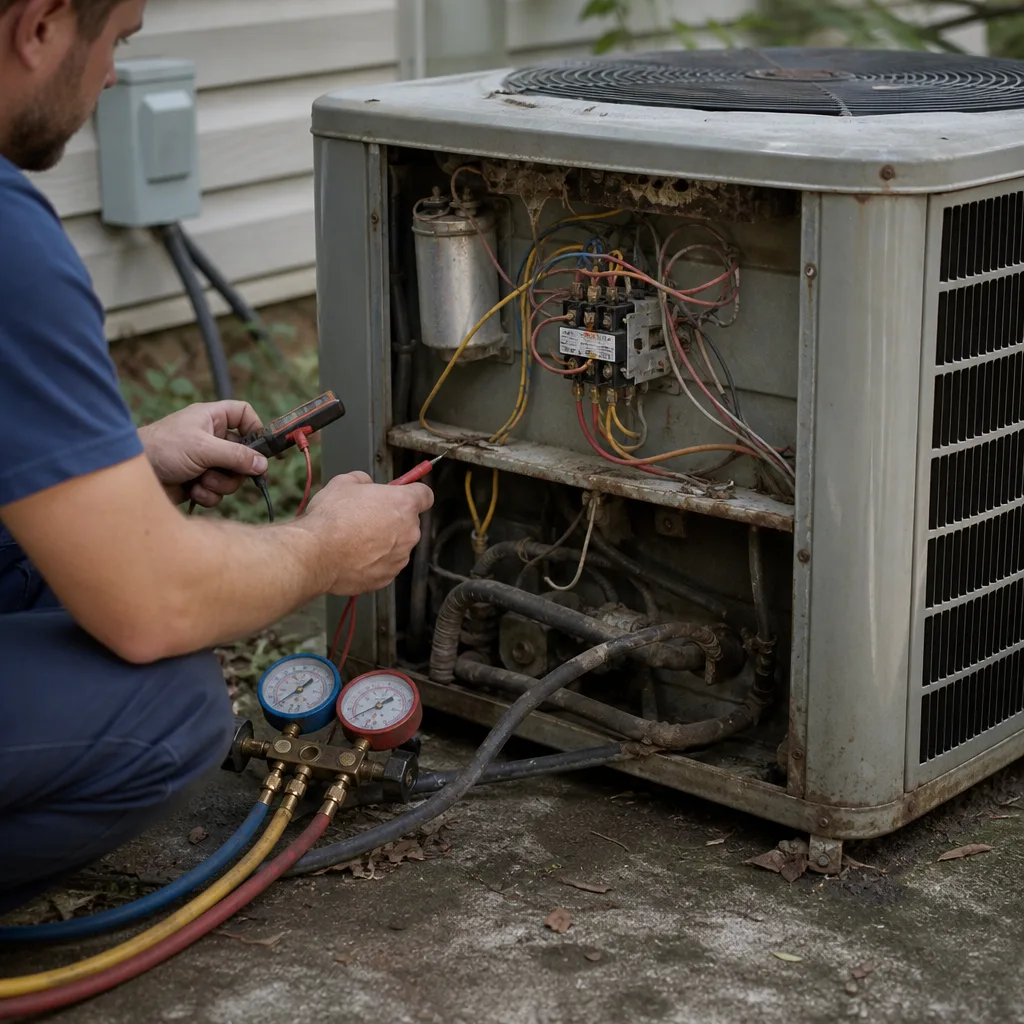 Before
 After
After Before
 After
After Before
 After
After