
Last updated October 16, 2026
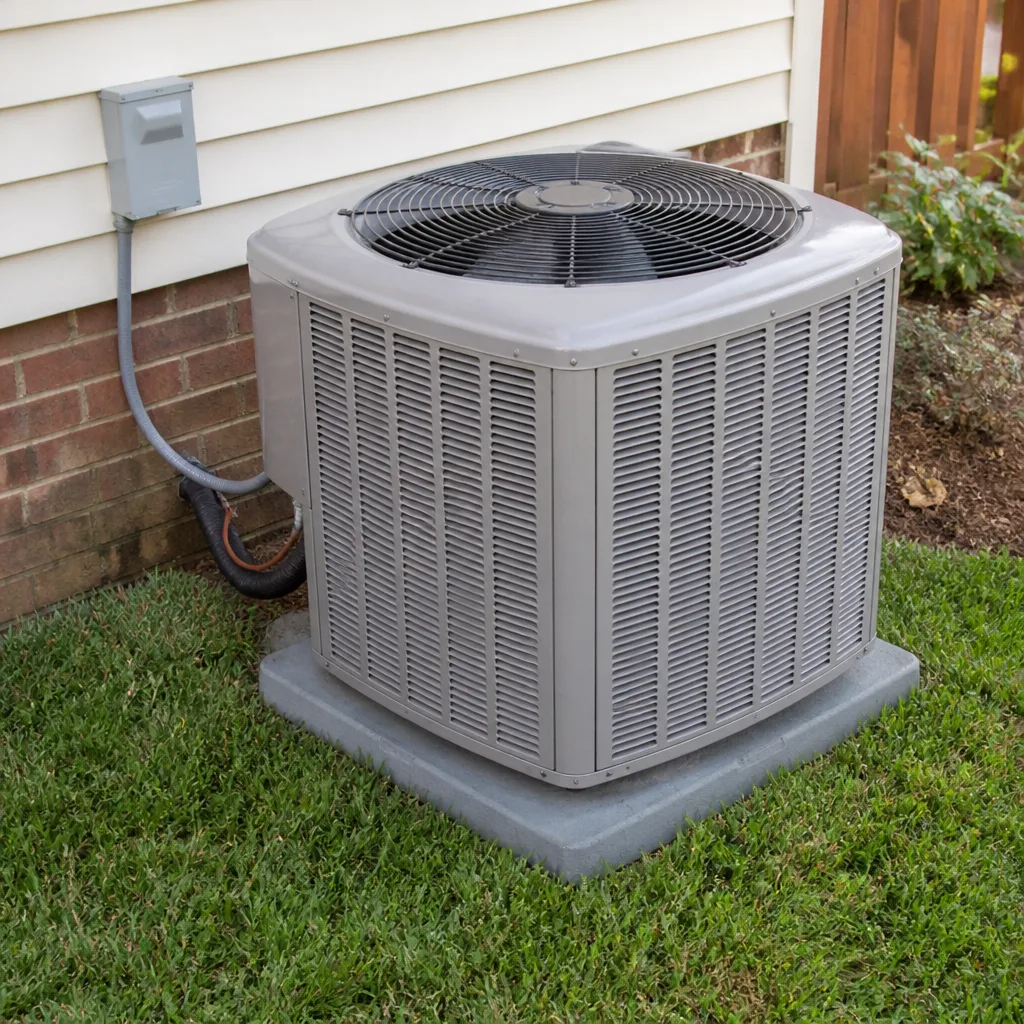 AC repair
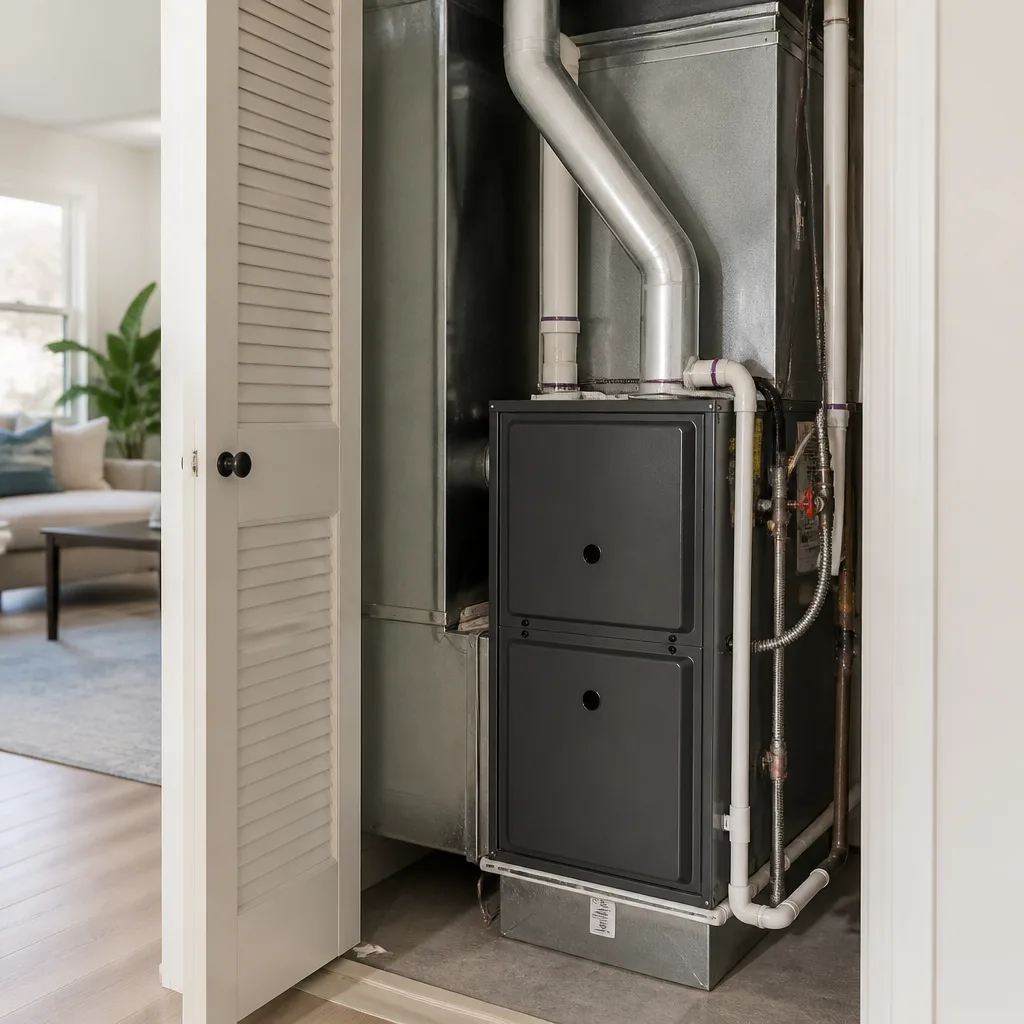 Furnace & heating
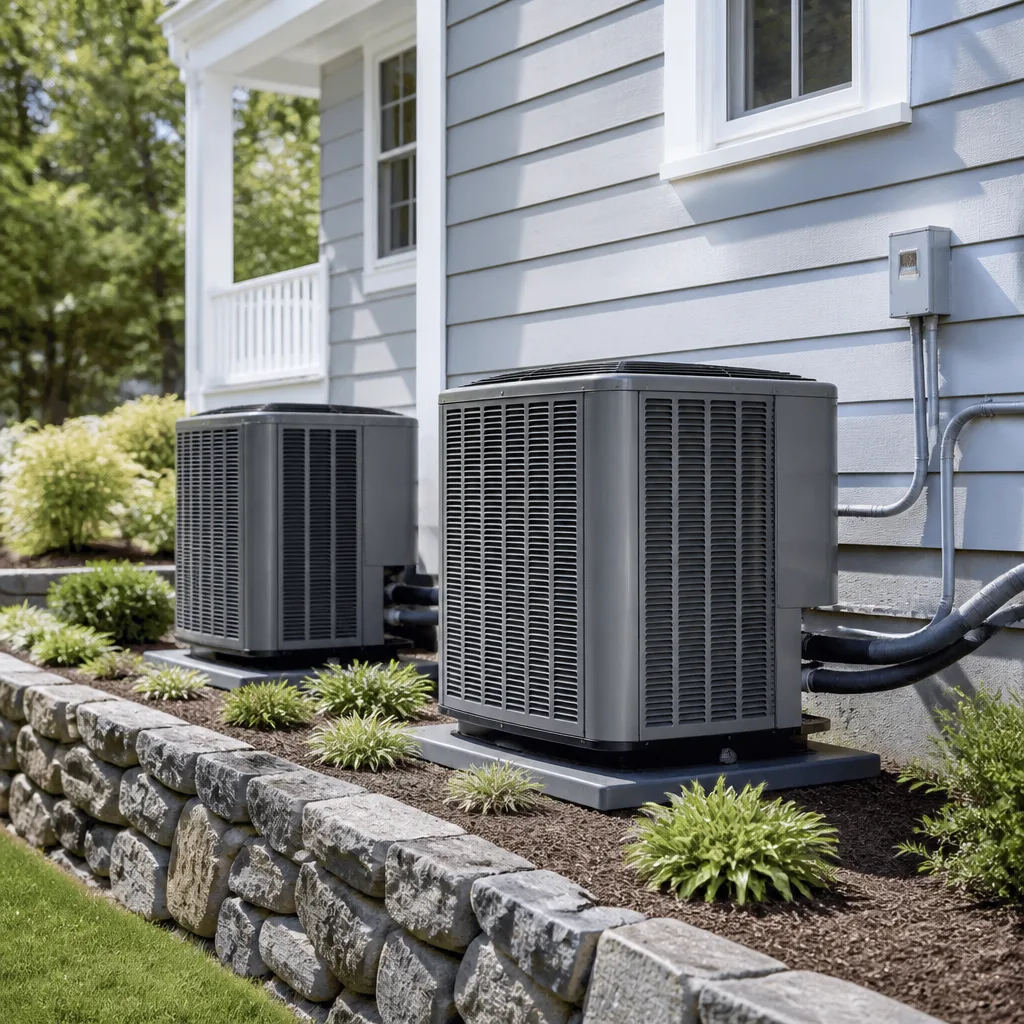 Heat pumps
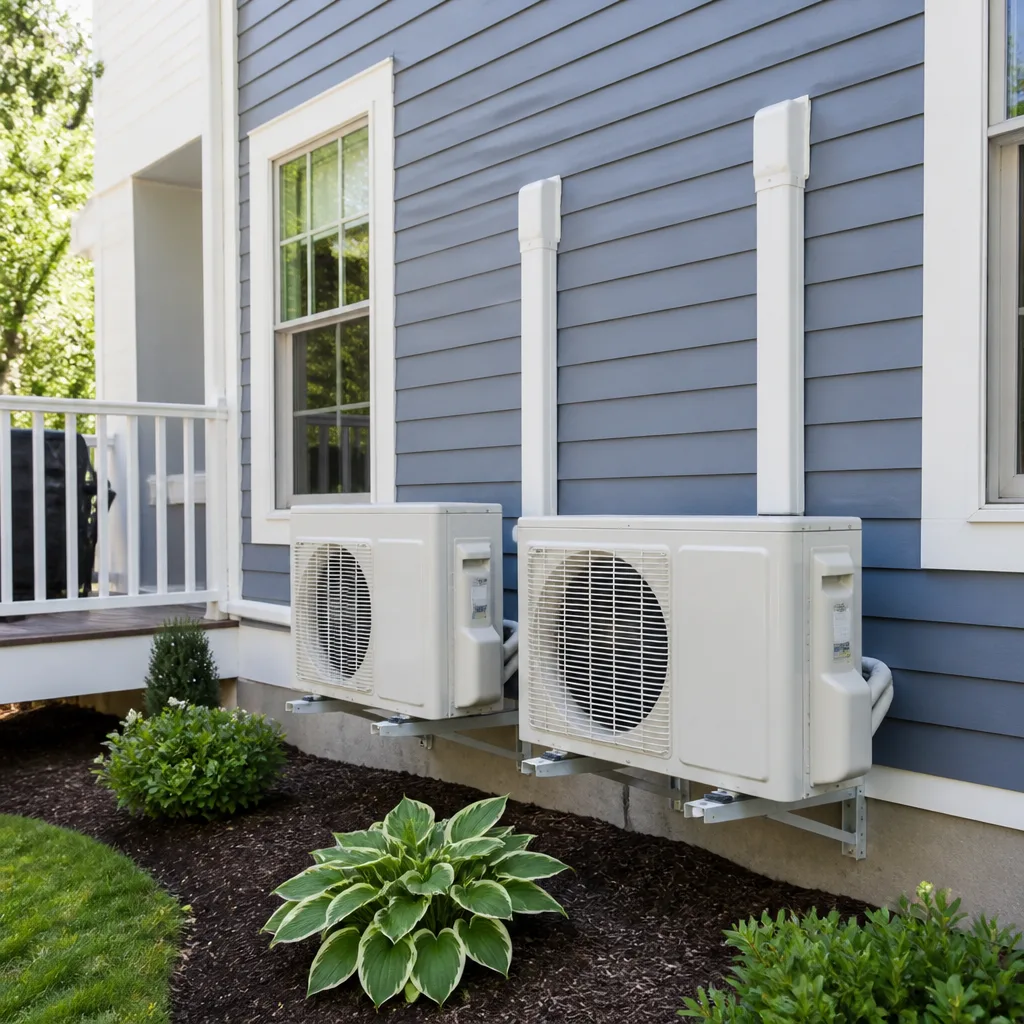 Ductless mini splits
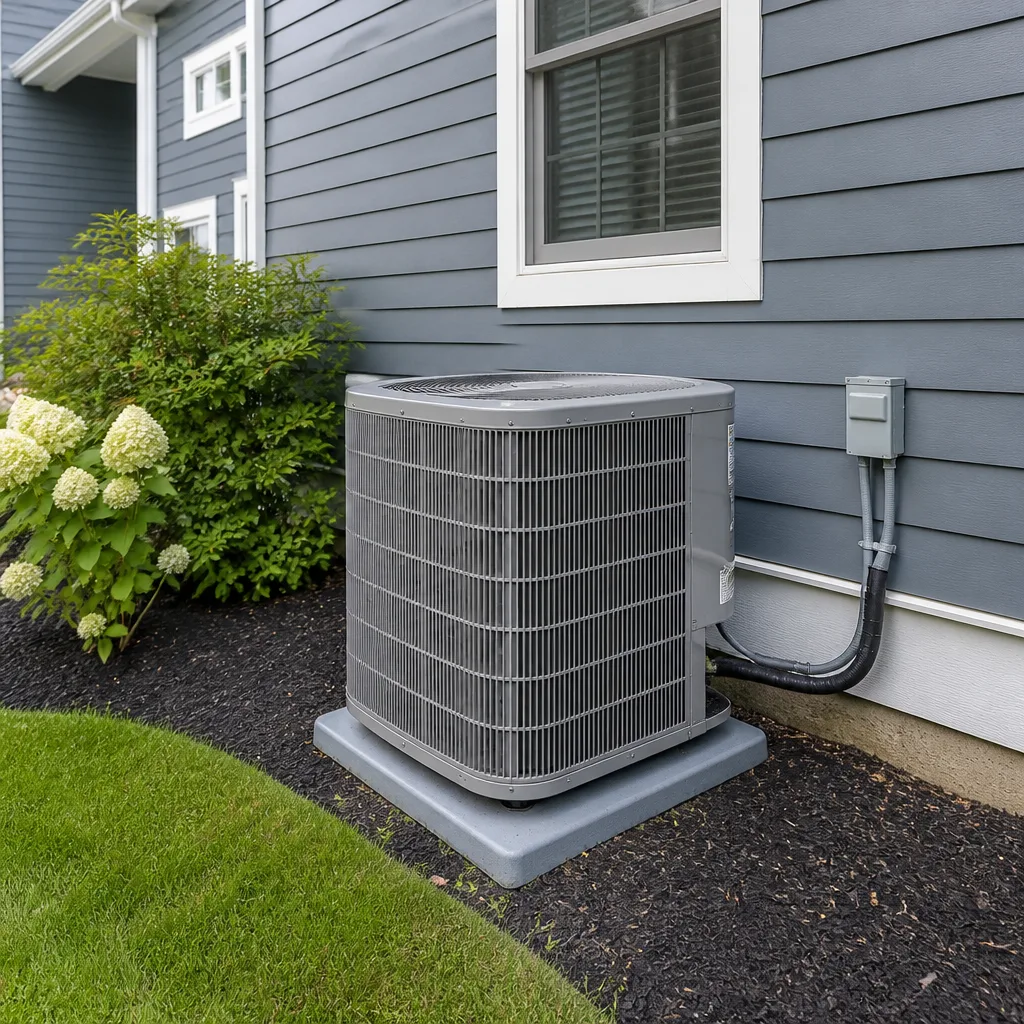 Carrier
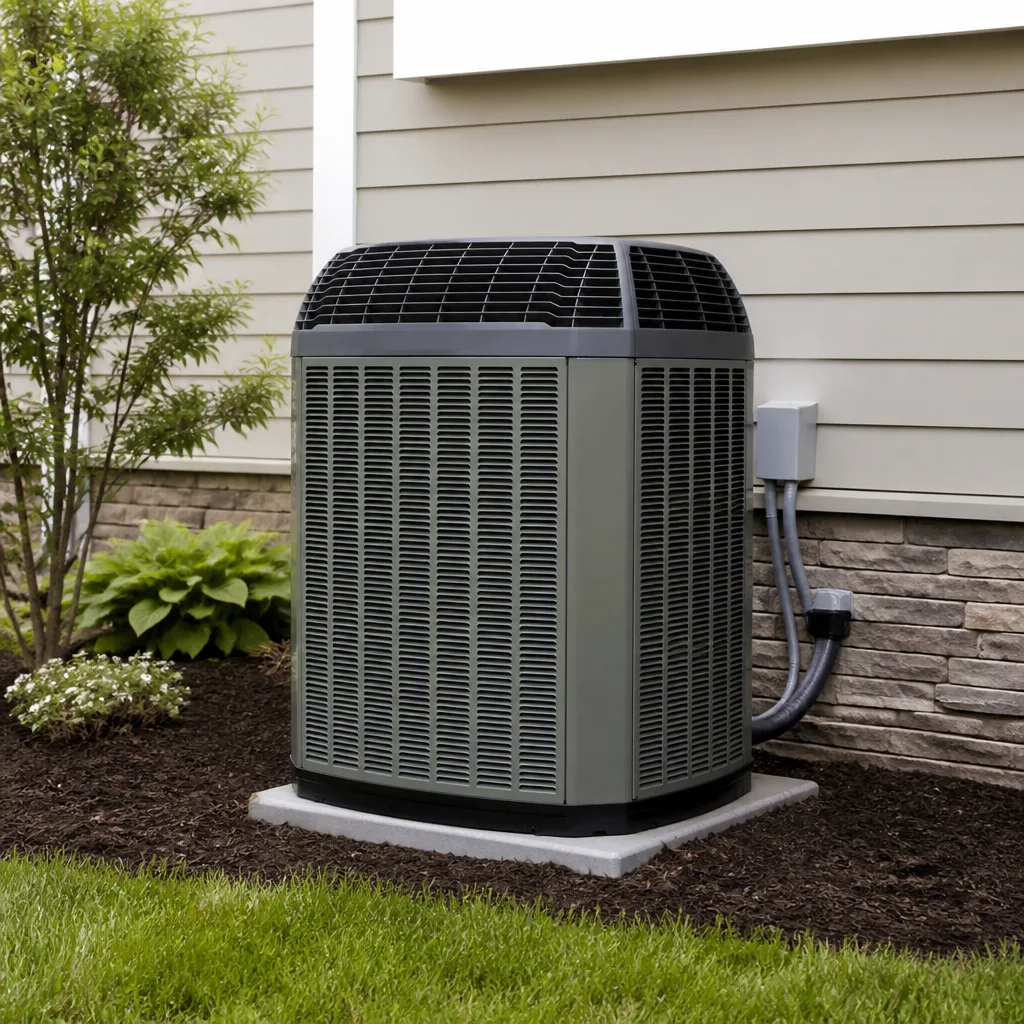 Trane
Trane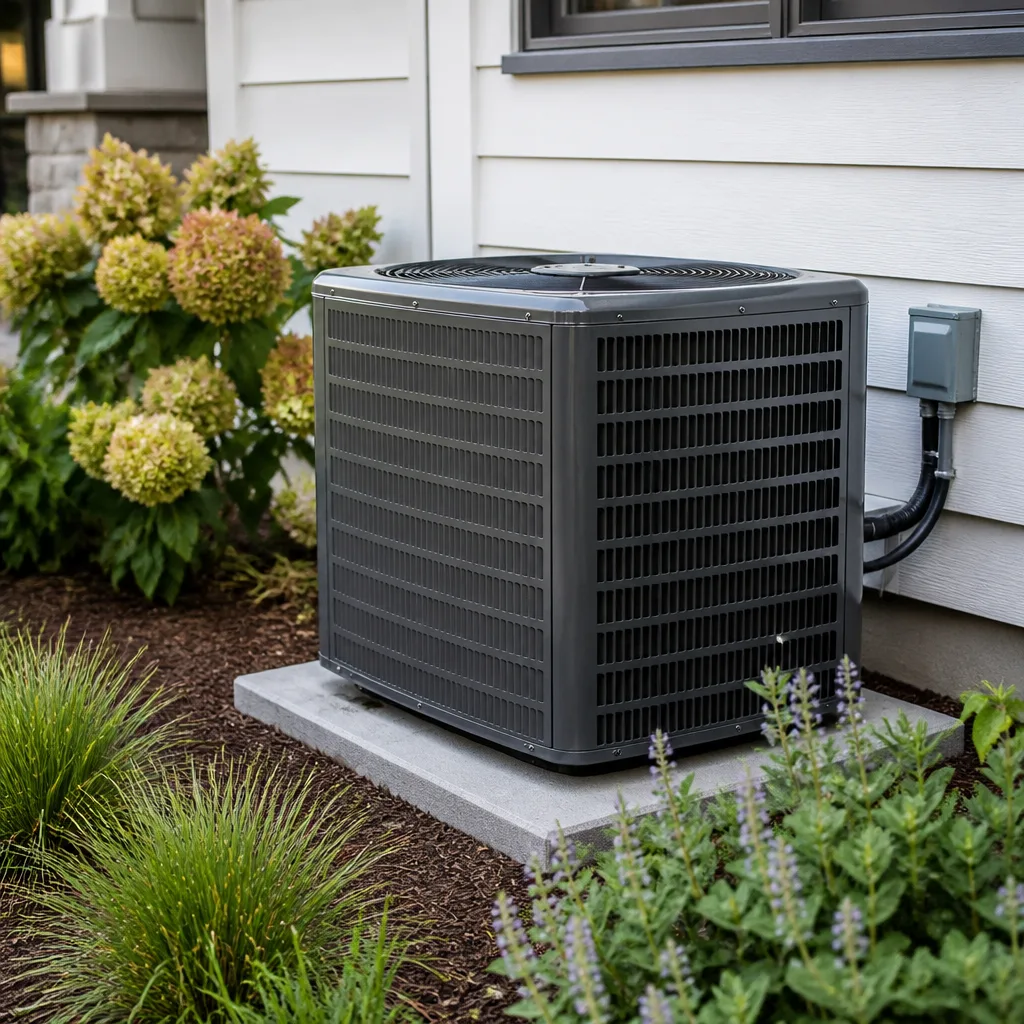 Goodman
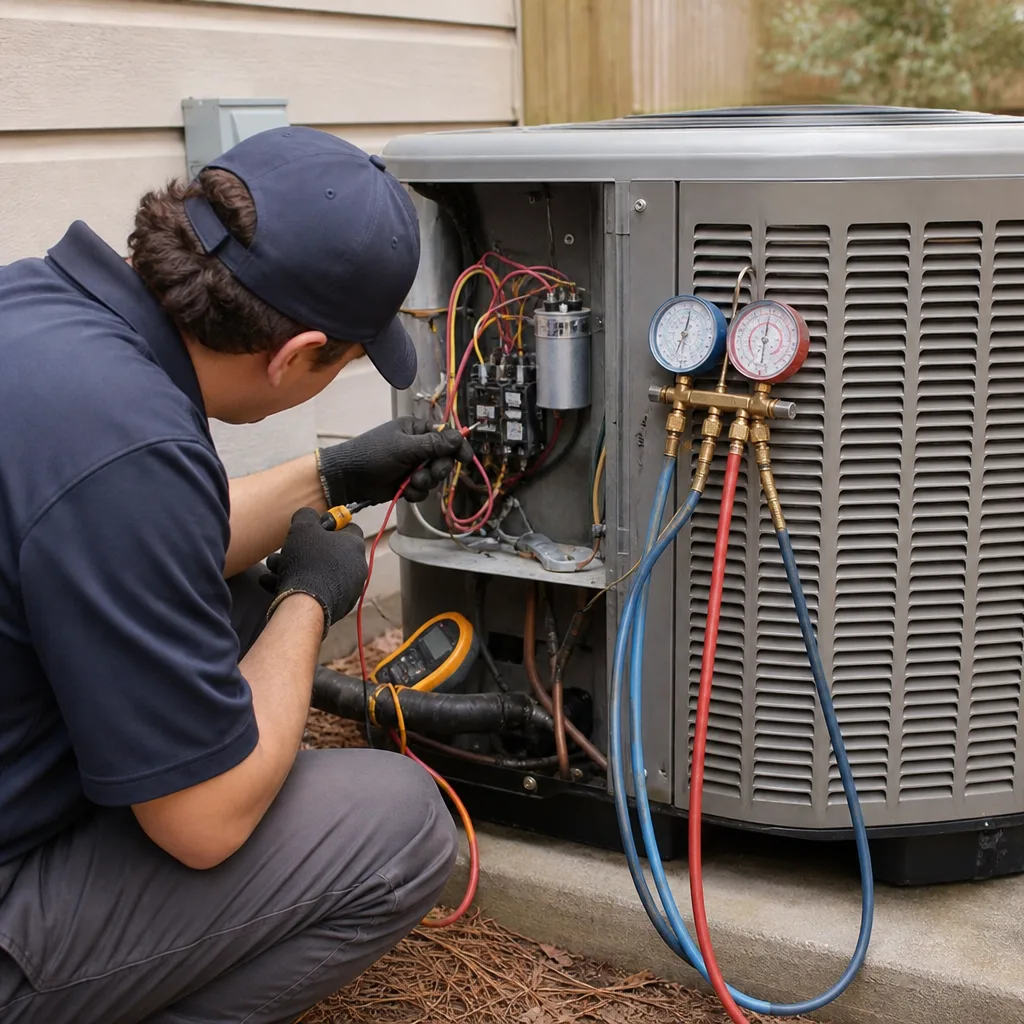
Seasonal tune-up and full diagnostic on your Carrier, Trane, or Goodman system - readings shown to you before any repair is proposed
Diagnosis first, numbers second - you approve the repair price before a single part goes in.
Get your free estimateHVAC Cost Breakdown: The Atlanta Homeowner’s Reference for 2026
Most national HVAC cost guides are wrong about Atlanta, and the gap is not small. The commonly quoted national average for a central AC replacement sits around $5,800, but the actual median invoice across metro Atlanta runs between $7,200 and $9,400 once you account for Georgia permit fees, local labor rates, and the larger equipment required to handle our humidity. This guide is built from real Atlanta invoice data, not national surveys, so you’ll see exactly what each job costs here, what drives the price up or down, and which line items on a quote deserve a second look before you sign anything. For HVAC Permits, Codes & Inspections in GA: What You Need to Know, see our dedicated breakdown.
Styles & brands we work with
Quick Answer
HVAC replacement in Atlanta typically costs between $7,200 and $9,400 for a standard 3-ton central air system in 2026, while a full furnace and AC system replacement runs $9,800 to $14,500 depending on efficiency tier and equipment brand. Repairs in Atlanta average $180 to $680 per visit, with refrigerant recharges, igniter replacements, and capacitor swaps ranking among the most common jobs. The final price depends on permit jurisdiction, refrigerant type, and whether your existing ductwork can be reused.
Table of Contents
- The Five Most Common Atlanta HVAC Jobs, Priced Line by Line
- What Makes Atlanta Pricing Different From the National Average
- The 2026 Refrigerant Transition and What It Costs You
- Georgia Rebates, Financing, and How They Change Your Out-of-Pocket Cost
- Three Line Items Most Commonly Inflated and the One Question That Exposes Them
- A Written Quote vs. a Vague Estimate: What Each Looks Like in Practice
- Common Mistakes to Avoid
- When to Call a Professional
- Frequently Asked Questions
- The Bottom Line
The Five Most Common Atlanta HVAC Jobs, Priced Line by Line
Most Atlanta homeowners call an HVAC company for one of five reasons, and the pricing structure for each is predictable once you know what goes into the invoice. If you’re unsure whether you need service, our HVAC Warning Signs: A Atlanta Homeowner’s Reference Guide covers the key symptoms to watch for. Here is what we see on real service tickets across the metro, from Marietta to Decatur to Peachtree City.
1. Central AC System Replacement
The biggest HVAC expense an Atlanta homeowner will face, and the one where national averages mislead the most. A 3-ton, 14 SEER2 single-stage system with a Carrier, Trane, or Lennox condensing unit and matching evaporator coil runs:
- Low end: $7,200 – basic Goodman or Rheem equipment, no duct modifications, clean permit path
- Mid range: $8,400 – Carrier or Trane 15-16 SEER2 system, new lineset, minor duct sealing
- High end: $11,500 and up – two-stage or variable-speed Lennox or Trane system, 18+ SEER2, new plenum, air balancing
The line items on a properly written Atlanta replacement quote include equipment, labor, refrigerant, a new filter drier, new electrical disconnect, pad, pvc condensate drain with emergency pan, permit, and haul-away of the old unit. If a quote does not list a permit line, ask why. The city of Atlanta and most surrounding counties require a mechanical permit for equipment replacement, and the fee runs $75 to $250 depending on jurisdiction.
2. Refrigerant Recharge
A refrigerant recharge, which is topping off the cooling fluid your system uses to pull heat from indoors, costs $180 to $380 in Atlanta if it is a straightforward top-off of R-410A. If the system is low, that means there is a leak, and the leak should be found and repaired, not just topped off repeatedly. The cost to locate and repair a small leak in an accessible evaporator coil runs $350 to $900. If your system uses the older R-22 refrigerant, which is no longer manufactured, a recharge can cost $150 to $300 per pound, and a full charge on a 6-pound system becomes a $900 to $1,800 conversation. At that point, replacement is usually the smarter money.
3. Evaporator Coil Cleaning
Evaporator coil cleaning in Atlanta runs $200 to $450. The coil sits inside the air handler and collects a thick film of dust, pet hair, and Atlanta’s ever-present pollen. A dirty coil reduces efficiency and can freeze over. The price includes pulling the access panel, applying a foaming cleaner, flushing the coil, and clearing the condensate drain line. If the coil is heavily impacted or the air handler is in a difficult location like an attic with low clearance, the high end applies.
4. Duct Repair and Modification
Ductwork is the cost most Atlanta homeowners forget to budget for. Atlanta houses built before 1990 often have duct leakage rates of 20% to 30%, which means you are paying to condition air that escapes into the attic or crawlspace. Pricing runs:
- Duct sealing (aeroseal or mastic): $600 to $1,800 depending on system size and access
- Replacing a single damaged duct run: $250 to $600
- Adding a return in a hot upstairs room: $450 to $1,200
- Full duct replacement for a 2,000 sq ft home: $4,000 to $7,500
In our experience, Atlanta homeowners who upgrade to a high-efficiency system but skip duct sealing see maybe half the efficiency gain they paid for. The equipment can only perform as well as the duct system delivering the air.
5. Thermostat Replacement
Thermostat replacement is often the quickest HVAC job in Atlanta and costs $120 to $300 for a standard digital thermostat installed by a technician, or $250 to $500 for a smart thermostat with wifi setup and system verification. The price seems low compared to other HVAC work, but the job matters: an improperly wired thermostat can short out a control board, and a thermostat placed on a wall that gets direct afternoon sun will cycle the AC too often. In Atlanta’s summer heat, that drives utility bills up noticeably.
What Makes Atlanta Pricing Different From the National Average
Atlanta is not an average market, and three local factors push HVAC costs consistently above national benchmarks. Understanding them helps you evaluate any quote with clear eyes. Our Seasonal HVAC Care for Atlanta: Year-Round Homeowner’s Guide explains how timing and maintenance affect these costs.
1. Permit jurisdiction matters. The city of Atlanta, Fulton County, DeKalb County, Cobb County, and Gwinnett County each have their own mechanical permit process and fee schedule. A replacement in unincorporated Cobb may carry a $90 permit fee, while the same job inside Atlanta city limits runs $200 to $250. Contractors who skip the permit are cutting a visible corner, which tells you something about how they handle the corners you cannot see.
2. High-humidity cooling loads require different sizing. Atlanta’s summer design condition accounts for both temperature and humidity. A system sized only for temperature will cool a home but leave it clammy. Proper sizing in Atlanta typically means running a Manual J load calculation, and equipment that manages latent heat, which is the moisture the system has to remove from the air, often costs 8% to 12% more than a dry-climate equivalent. National guides do not price that difference in.
3. Labor rates in metro Atlanta are higher than the Georgia state average. Licensed HVAC technicians in the Atlanta metro command wages in line with the region’s cost of living, and those wages are reflected in service rates. Expect $90 to $150 per hour for a licensed technician in the metro, versus $70 to $100 in rural Georgia. A 6-hour system replacement at $120 per hour adds $720 in labor before the first piece of equipment is even installed.
The 2026 Refrigerant Transition and What It Costs You
January 1, 2025 marked the start of the federal phase-down of R-410A in new residential equipment, and by 2026 the market consequences are fully visible in Atlanta. New systems are being manufactured for R-454B or R-32, which are mildly flammable refrigerants requiring different sensors and safety components. Here is what that means for your wallet:
- R-410A equipment is still available, but builders and contractors are clearing out inventory as it depletes. You may still get a new R-410A system in 2026, but parts availability for that equipment will tighten over the next decade.
- R-454B systems carry a 10% to 18% price premium over comparable R-410A units because of the added leak detection sensors and slightly different manufacturing process.
- R-410A refrigerant itself is getting more expensive. Recharge pricing has climbed steadily since 2024, and we expect that trend to continue. A recharge that cost $250 in 2022 can run $350 to $450 in 2026.
- If your system is 12 years old or older and needs a major repair, the 2026 math increasingly favors replacement over repair. Paying $1,500 to repair an R-410A system that may need another $1,000 in parts within two years is a losing bet in most cases.
Georgia Rebates, Financing, and How They Change Your Out-of-Pocket Cost
The sticker price on a new HVAC system is not what most Atlanta homeowners actually pay out of pocket. Georgia Power’s current efficiency incentives and manufacturer rebates can take a meaningful bite out of the total, and financing terms change the monthly math dramatically.
Georgia Power continues to offer rebates for qualifying high-efficiency heat pumps and central AC systems. In 2026, a correctly sized 15.2 SEER2 or higher heat pump installation can qualify for a rebate in the $250 to $500 range depending on the specific equipment and whether it replaces an older electric resistance system. Manufacturer rebates from Carrier, Trane, and Lennox add another $200 to $600 during spring and fall promotional windows.
Financing options from Georgia credit unions and manufacturer-backed programs typically run 7.99% to 12.99% APR in 2026, with 36 to 72 month terms. On a $9,000 system financed at 9.99% over 60 months, the payment lands around $191 per month. Some Atlanta contractors offer 0% promotional financing for 12 to 18 months, but that rate applies only if the full balance is retired before the promo period ends. Read the terms or ask the contractor to walk you through exactly what happens at month 19.
The single biggest driver of true out-of-pocket cost is timing. Replacing a system because it failed in July means paying peak-season pricing and taking whatever appointment is available. Replacing a system proactively in March or October gives you access to preseason pricing, manufacturer rebates, and a wider choice of equipment. In our experience, Atlanta homeowners who replace proactively save $800 to $1,500 on the same job compared to a mid-summer emergency replacement.
Three Line Items Most Commonly Inflated and the One Question That Exposes Them
Most Atlanta HVAC contractors are honest, but there are three line items on an HVAC quote that get padded more than any others, and one question that separates the straight shooters from everyone else.
The inflated line items:
- Refrigerant charges. A quote that says “refrigerant: market rate” or “refrigerant: included” with no per-pound figure should be clarified. If a system replacement quote includes a refrigerant line item over $500, ask for the per-pound price and the exact number of pounds.
- Duct modification fees. “Duct work as needed” on a fixed-price quote is a line item with no ceiling. A legitimate contractor will measure and specify: one 12-inch return, 30 feet of 8-inch flex duct, four supply registers. If the scope is vague, the final bill will not be.
- Disposal and haul-away fees. Removing an old condenser and air handler costs real money, but it should be a single line item between $100 and $300, not a $600 “environmental disposal fee.” The old coil and condenser are scrap metal, and contractors sell them to recyclers. You should not be paying a premium for the privilege.
The one question: “Can you give me the fixed written price for the entire job, including permit and any ductwork, right now, before I sign?” A contractor following written-quote practices will say yes without hesitation. The price is handed to the homeowner before a single tool comes out, and it does not change at the door. A contractor who hedges, says “we’ll see once we get in there,” or offers a “time and materials” estimate for a standard replacement is telling you that the price is a starting point, not a commitment. Time and materials billing in Atlanta for a system replacement that should take six hours routinely stretches into nine billable hours, adding $360 to $540 in labor beyond what a fixed quote would have cost.
A Written Quote vs. a Vague Estimate: What Each Looks Like in Practice
Here is a side-by-side comparison of what a written upfront quote from a reputable Atlanta contractor looks like versus the vague estimate that leads to invoice surprises. Every line matters.
Written Upfront Quote (fixed price)
- Equipment: Trane 3-ton 15.2 SEER2 condenser, model 4TTR5030, evaporator coil 4TXCB004, filter drier, 25-foot lineset
- Labor: Full installation, 6 hours, two technicians
- Materials: PVC condensate drain, emergency pan, electrical disconnect, pad, mastic, minor duct sealing at plenum
- Permit: City of Atlanta mechanical permit, $185
- Haul-away: $150
- Total fixed price: $8,750, guaranteed before work begins
Vague Estimate (time and materials)
- Equipment: 3-ton AC system
- Labor: “as needed” at $130 per hour
- Materials: “duct work, refrigerant, electrical as necessary”
- Permit: “will pull if needed”
- Haul-away: “included” (but the hourly clock is running while they load the truck)
- Estimated total: $6,900-$9,500
The vague estimate looks cheaper on the front end, but Atlanta homeowners who sign time-and-materials quotes for standard replacements see final invoices that land at the top of the range or beyond. The difference between the two approaches is not just money; it is whether the contractor is willing to commit to the job before the work begins. A written fixed price is the contractor putting their reputation on paper. A range is the contractor keeping their options open.
Common Mistakes to Avoid
- Using a national cost guide to set Atlanta expectations. National averages understate Atlanta pricing by 20% to 30% because they ignore local permit fees, humidity-driven sizing requirements, and metro labor rates. Use local data, like what is in this guide, to evaluate quotes.
- Recharging a leaking system instead of finding the leak. Topping off refrigerant without repairing the leak is like putting air in a tire with a nail in it. You will be back in the same spot within a season, and the refrigerant is more expensive each time.
- Skipping the permit to save $200. An unpermitted replacement can complicate a future home sale and may not pass inspection if the work does not meet current code. The savings is never worth the exposure.
- Replacing equipment but ignoring the ducts. Atlanta houses with original 1980s or 1990s ductwork routinely leak 25% of the air they condition. A new high-efficiency system on leaky ducts is an expensive way to cool the attic.
- Waiting until the system fails to think about replacement. July and August are the most expensive months to replace HVAC equipment in Atlanta. March and October are the cheapest. Planning ahead is the single largest cost lever you control.
- Accepting a quote that does not list the equipment model numbers. A quote that says “3-ton AC system” without specifying the make and model gives the contractor latitude to install whatever is on the truck. A legitimate quote names the exact equipment.
When to Call a Professional
Some HVAC decisions are simple and some are not. If your system is blowing warm air, making a grinding noise, or short-cycling, call a professional the same day. Electrical and refrigerant work is not a DIY project, and attempting it without the right training and tools can turn a $300 repair into a $3,000 replacement. If your system is over 12 years old and needs a major component like a compressor or a heat exchanger, call for a replacement estimate before you spend repair money on aging equipment. And if you have a quote in hand that uses vague language about ductwork, refrigerant, or labor, get a second opinion from a contractor who writes fixed prices. Cold Harbour Heating and Air Atlanta home offers free estimates in Atlanta – call (478) 223-8776 and talk to a live person, any time of day.
Frequently Asked Questions
A complete central AC and furnace replacement in Atlanta runs $9,800 to $14,500 in 2026, depending on efficiency tier, equipment brand, and whether ductwork needs modification. That figure includes typical Atlanta permit fees and installation labor. For a detailed breakdown, see AC Installation in Atlanta.
The average HVAC repair visit in Atlanta costs $180 to $680, with the most common jobs being capacitor replacements ($120 to $250), igniter replacements ($150 to $280), and refrigerant recharges ($180 to $380). The price depends on the part, the system age, and whether the repair is covered under your existing warranty. Call (478) 223-8776 for an exact quote – estimates are free.
If the repair costs less than one-third of the replacement cost and your system is under 10 years old, repair usually makes sense. If the system is over 12 years old and the repair involves the compressor or coil, replacement is typically the better long-term value in Atlanta’s climate. For repair work on any brand, see AC Repair in Atlanta.
Most furnace repairs in Atlanta can be completed the same day, especially during the winter heating season when no-heat calls are treated with urgency. A no-heat furnace in a cold snap is a genuine emergency, and most Atlanta HVAC companies prioritize those calls. For furnace repair details and pricing, see Furnace Repair in Atlanta.
Yes. Georgia Power offers rebates of $250 to $500 for qualifying high-efficiency systems, and manufacturer rebates from Carrier, Trane, and Lennox add another $200 to $600 during promotional windows. Ask your contractor to handle the rebate paperwork as part of the installation.
Atlanta HVAC costs run 20% to 30% above national averages because of three local factors: permit fees that vary by jurisdiction, larger equipment required to manage high-humidity cooling loads, and metro Atlanta labor rates that exceed the state average. Any quote based on national averages will understate what the job actually costs here.
The Bottom Line
Atlanta HVAC pricing in 2026 is higher than national guides suggest, and the gap is driven by local realities: permit jurisdictions, humidity-driven sizing, refrigerant transition costs, and metro labor rates. The smartest money in Atlanta HVAC is proactive: replace equipment in the off-season, seal the ducts, demand a written fixed price, and ask the one question that exposes padded quotes. A contractor who writes the price down before the work begins is putting their guarantee where their mouth is. At Cold Harbour Heating and Air Atlanta, every job starts with a written price and ends with a written 365-Day Done Right Promise. If you want a quote that will not change at the door, call (478) 223-8776.
Written by Victor Mancini, Owner at Cold Harbour Heating and Air Atlanta, serving Atlanta since 2003. Browse our more guides & resources for Atlanta homeowners.
See the difference
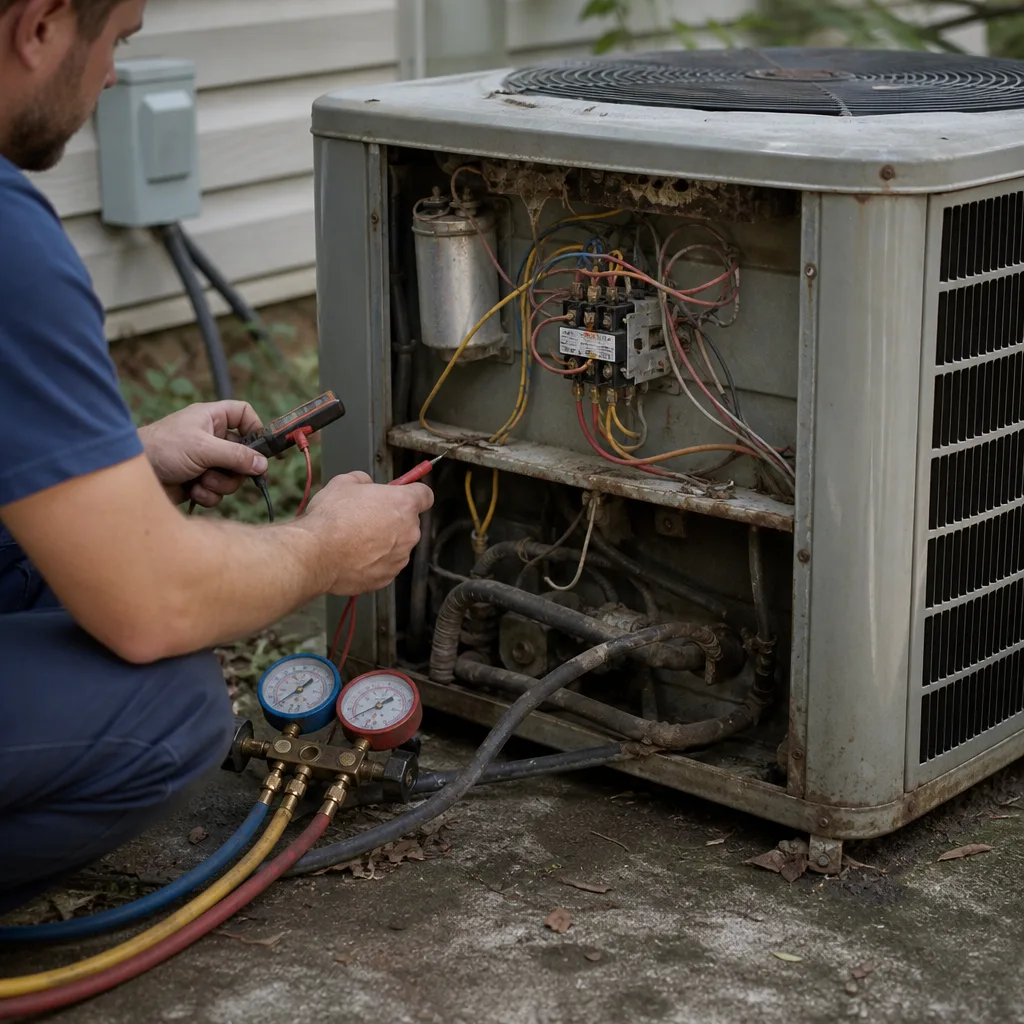 Before
 After
After Before
 After
After Before
 After
After